

India Lung Cancer Guidelines: A Landmark Step in Cancer Care

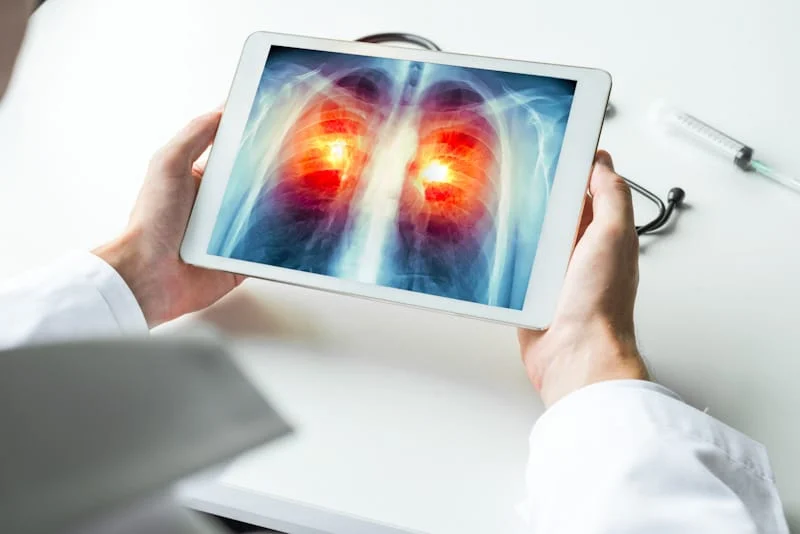
India has taken a major step towards improving cancer care with the release of its first nationally developed, evidence-based India Lung Cancer Guidelines. The new framework aims to improve early diagnosis, standardize treatment, reduce regional disparities, and ensure patient-centered care across both public and private healthcare systems. Issued just before World Cancer Day, the guidelines reflect the country’s commitment to tackling the growing burden of lung cancer.
Thank you for reading this post, don't forget to subscribe!Guidelines Released Ahead of World Cancer Day
Union Health Minister Jagat Prakash Nadda formally released the document titled “Lung Cancer Treatment and Palliation: Evidence-Based Guidelines” at Kartavya Bhavan in New Delhi. The timing, just before World Cancer Day, highlights the government’s focus on strengthening cancer care policies and increasing awareness about lung cancer prevention and treatment.
These guidelines represent the first effort in India to provide a nationally recognized, evidence-based standard for lung cancer management. Until now, treatment approaches varied widely across regions and healthcare facilities, leading to inconsistencies in patient outcomes.
Emphasis on Early Diagnosis and Standardised Care
One of the key priorities of the India Lung Cancer Guidelines is promoting early detection. Late-stage diagnosis is one of the biggest challenges in India, with many patients seeking treatment only after the disease has advanced. The guidelines provide 15 evidence-based recommendations covering diagnosis, treatment, and palliative care.
By offering a common clinical framework, these guidelines aim to improve treatment decisions and outcomes nationwide. Doctors now have a clear roadmap for diagnosing lung cancer, choosing appropriate therapies, and providing supportive care, no matter where patients live. This approach ensures that all patients receive consistent, high-quality care.

India-Specific Approach to Cancer Treatment
The health minister highlighted that India needs healthcare solutions tailored to its unique context, rather than relying solely on Western models. The guidelines focus on strategies that suit the country’s healthcare system, patient population, and resource availability.
High-risk populations, such as smokers and people exposed to environmental pollutants, are emphasized for early screening and prevention efforts. The guidelines also encourage public awareness campaigns to educate people about symptoms, risks, and the importance of timely medical consultations.
Palliative Care and Quality of Life
Another important feature of the India Lung Cancer Guidelines is the focus on palliative care. Cancer treatment is not just about prolonging survival but also about improving the quality of life for patients. The guidelines provide practical recommendations for managing pain, addressing psychological needs, and supporting caregivers.
Experts involved in developing the guidelines stressed that palliative care should start early alongside standard treatment. This ensures patients receive holistic care that addresses physical, emotional, and social challenges associated with lung cancer.
Implementation Across Public and Private Systems
The guidelines were developed by leading medical experts under the Department of Health Research and the Directorate General of Health Services. They follow internationally recognized scientific methods while adapting recommendations to India’s healthcare realities.
Both public hospitals and private clinics are expected to follow the guidelines, ensuring uniformity in treatment standards. To help patients and caregivers understand their options, a plain-language summary will also be issued. This will allow patients to actively participate in decision-making and understand what care pathways are available.
Key Facts About India Lung Cancer Guidelines
- India released its first national evidence-based lung cancer care guidelines in February 2026.
- The guidelines include 15 recommendations covering diagnosis, treatment, and palliative care.
- They apply to both public and private healthcare systems.
- Early detection and palliative care are emphasized as critical components of treatment.
- A plain-language summary will help patients and caregivers understand treatment options and plan care effectively.
Moving Towards Better Lung Cancer Outcomes
With the launch of the India Lung Cancer Guidelines, the country has taken a significant step towards reducing the burden of lung cancer. By providing clear, evidence-based guidance, these guidelines aim to minimize treatment disparities, improve early diagnosis, and make patient-centered care the norm.
Health experts believe that widespread adoption of these guidelines could save lives and enhance the quality of care for thousands of lung cancer patients every year. Through early detection, standardized treatment pathways, and integrated palliative care, India is now better equipped to tackle one of its most serious public health challenges.