



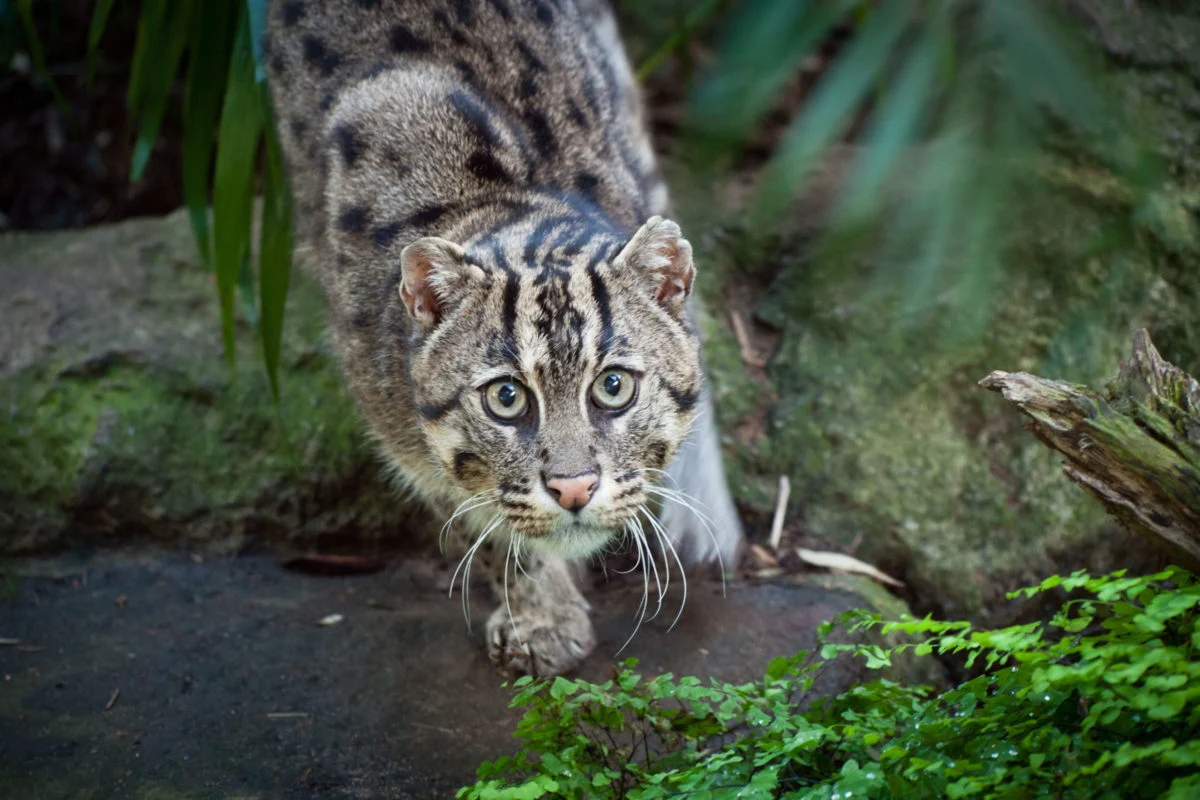
Kaziranga Fishing Cat Stronghold Highlights India’s Crucial Wetland Conservation Role

Kaziranga Fishing Cat Stronghold has emerged as an important wildlife story from India’s northeast, highlighting the growing conservation value of wetlands inside protected areas. A recent scientific assessment has confirmed that Kaziranga National Park and Tiger Reserve is one of the most significant habitats for the fishing cat, a secretive wild feline closely linked to rivers and wetlands.
Thank you for reading this post, don't forget to subscribe!The fishing cat, scientifically known as Prionailurus viverrinus, is listed as Vulnerable on the IUCN Red List. It is rarely seen and often overlooked because of its nocturnal habits and preference for marshy landscapes. The new findings bring this lesser-known carnivore into the spotlight and underline Kaziranga’s role beyond its global fame as a stronghold for the one-horned rhinoceros.
Scientific study highlights Kaziranga’s importance
The assessment was carried out by Kaziranga’s Tiger Cell in collaboration with the Fishing Cat Project. Researchers used camera-trap images collected during the all-India tiger estimation exercise. While these cameras were originally placed to monitor tigers, they also captured valuable data on other wildlife, including fishing cats.
From this large dataset, scientists identified 57 unique fishing cats spread across more than 450 square kilometres of Kaziranga. This number is significant because it shows that the species is not only present but also widely distributed across the reserve. The findings were released on February 22, a date observed globally as Fishing Cat Day, making the announcement even more meaningful for conservationists.
A wetland hunter with unique skills
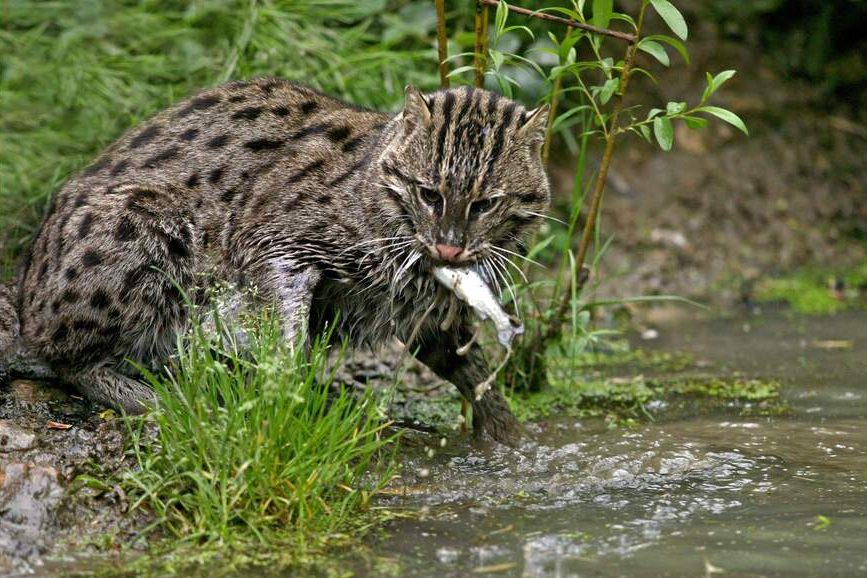
The fishing cat is one of the very few wild cats in the world specially adapted for aquatic hunting. Unlike most felids, it is comfortable in water and often hunts fish, frogs, and other aquatic prey. Its partially webbed feet, strong jaws, and short tail help it move efficiently through shallow waters.
In Assam, the fishing cat is locally known as “Meseka.” It has a place in local folklore and is often seen as a sign of healthy wetlands. Where fishing cats survive, wetlands are usually rich in fish and other life forms. This makes the species an important indicator of ecosystem health.
Healthy population within Kaziranga
The study suggests that Kaziranga supports a healthy and breeding population of fishing cats. Individuals were recorded from different habitat types inside the park, including floodplains, wetlands, grasslands, and forest edges. Such wide distribution reduces the risk of local extinction and increases the species’ chances of long-term survival.
Researchers have also pointed out that the estimate could be conservative. Since the camera-trap grid was designed mainly for tigers, some fishing cats may have gone undetected. This means the actual population could be higher than recorded, further strengthening Kaziranga’s status as a fishing cat stronghold.
How Kaziranga compares with other habitats
Data from the Fishing Cat Project across India show that Kaziranga holds the largest known fishing cat population in the Terai floodplain landscape. Other important freshwater habitats for the species include Dudhwa National Park, Kishanpur Wildlife Sanctuary, Pilibhit Tiger Reserve, Katerniaghat Wildlife Sanctuary, and Valmiki Tiger Reserve.
In coastal and estuarine ecosystems, the largest population is found in the Sundarban Tiger Reserve, followed by Chilika Lagoon, Bhitarkanika National Park, and Coringa Wildlife Sanctuary. Together, these landscapes form a network of critical habitats for the species in South Asia.
Threats facing the fishing cat
Despite its adaptability, the fishing cat faces serious threats across its range. Wetland loss due to agriculture, urban expansion, and infrastructure development has reduced suitable habitats. River modification, pollution, and overfishing also affect the prey base of the species.
Climate change adds another layer of risk. Changes in rainfall patterns, increased flooding, and prolonged dry spells can alter wetland ecosystems. In some parts of Southeast Asia, including Vietnam and Java, fishing cats have already disappeared, mainly due to habitat destruction.
Why Kaziranga Fishing Cat Stronghold Matters for the Future
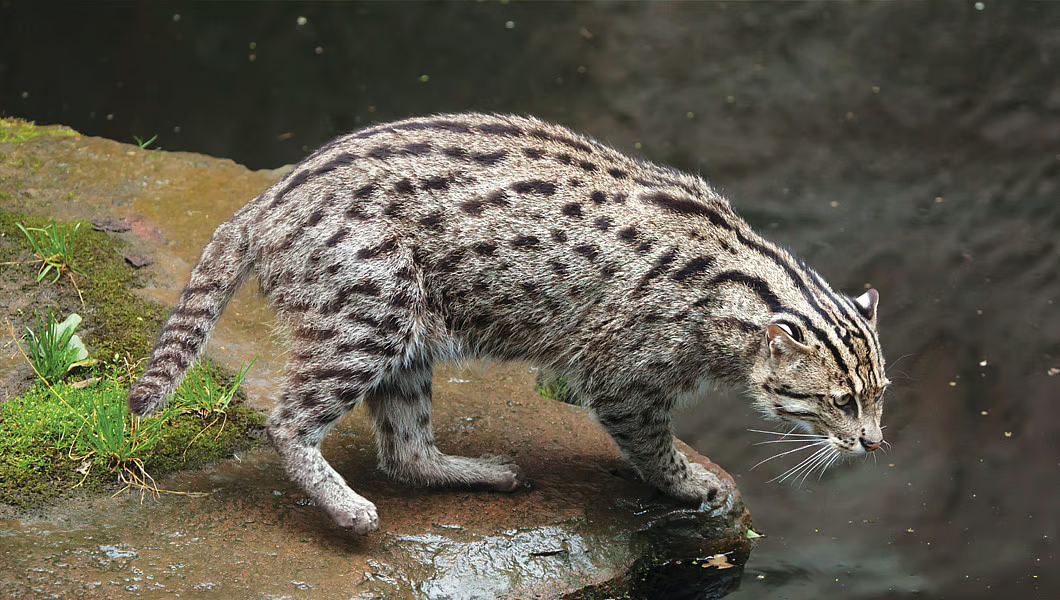
Kaziranga lies in the Brahmaputra floodplains, one of the most dynamic river systems in the world. Seasonal floods shape the landscape, creating a mosaic of wetlands, grasslands, and forests. For a wetland specialist like the fishing cat, this environment offers food, shelter, and breeding sites.
The confirmation of Kaziranga as a Kaziranga Fishing Cat Stronghold strengthens India’s responsibility in global conservation efforts. Protecting wetlands inside tiger reserves not only benefits flagship species like tigers and rhinos but also supports lesser-known animals that depend on water-rich habitats.
The study also shows the value of using existing wildlife monitoring data in new ways. Camera traps set for tigers have helped uncover important information about fishing cats, proving that integrated conservation approaches can deliver wider benefits for biodiversity.