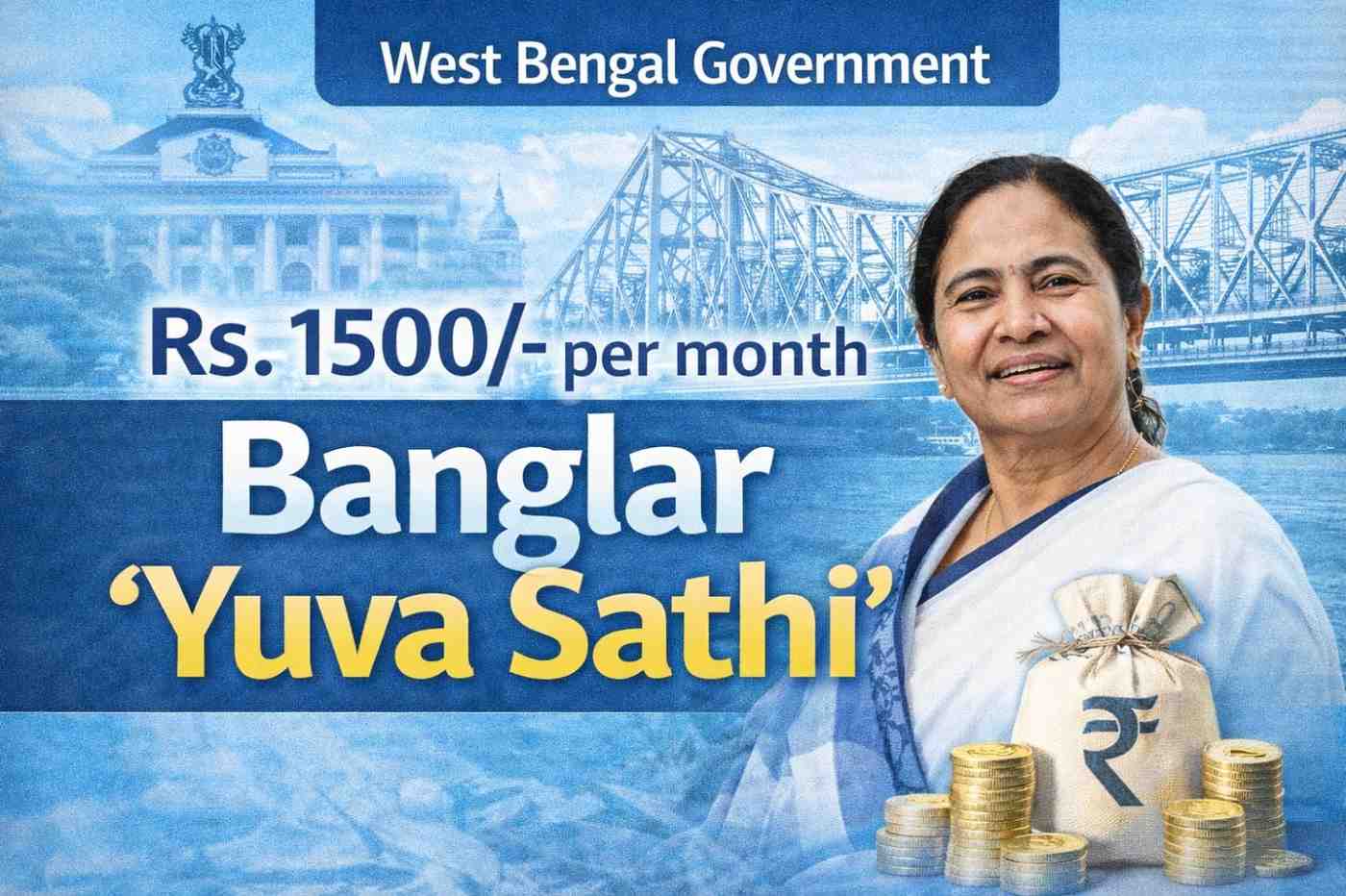
Banglar Yuva Sathi Scheme 2026: Monthly Support for Unemployed Youth in West Bengal

The Banglar Yuva Sathi Scheme 2026 has emerged as a significant welfare step by the West Bengal government to support educated yet unemployed youth across the state. Announced by Chief Minister Mamata Banerjee during the interim Budget, the scheme promises a monthly allowance of ₹1,500 to eligible candidates. In a notable move, the government has advanced the launch date, with the scheme set to officially roll out on April 1, 2026, instead of the initially planned August timeline.
Thank you for reading this post, don't forget to subscribe!This decision reflects growing concern over youth unemployment and rising living costs. For many young people who have completed their education but are still searching for stable jobs, financial pressure often becomes a major barrier. The Banglar Yuva Sathi Scheme 2026 is designed to ease that burden and provide temporary relief during a critical phase of their career journey.
Background and Policy Context
West Bengal has witnessed steady efforts in recent years to expand social welfare coverage, especially for women, students, and marginalised groups. With the Banglar Yuva Sathi Scheme 2026, the state has shifted focus directly toward unemployed youth. The initiative is part of a broader policy approach that recognises unemployment not only as an economic issue but also as a social challenge affecting confidence, mobility, and long-term career prospects.
The state government believes that providing a modest but regular allowance can help young job seekers meet daily expenses such as travel, internet access, application fees, and basic household needs. This support is meant to create breathing space while individuals prepare for employment or skill-based opportunities.
Purpose of the Banglar Yuva Sathi Scheme 2026
At its core, the Banglar Yuva Sathi Scheme 2026 functions as a transitional support system. It is not positioned as a long-term income replacement, nor does it aim to discourage job-seeking efforts. Instead, the allowance acts as a temporary safety net for those who have completed their education but have not yet secured employment.
By offering ₹1,500 per month, the government hopes to reduce financial stress and allow young people to focus on improving their employability. The scheme also sends a message that the state acknowledges the struggles faced by educated youth and is willing to stand by them during uncertain times.
Launch Timeline and Implementation Plan
One of the most striking aspects of the Banglar Yuva Sathi Scheme 2026 is its accelerated rollout. Applications will be accepted between February 15 and February 26, 2026. This short application window highlights the government’s intent to move quickly and ensure that benefits reach eligible candidates without delay.
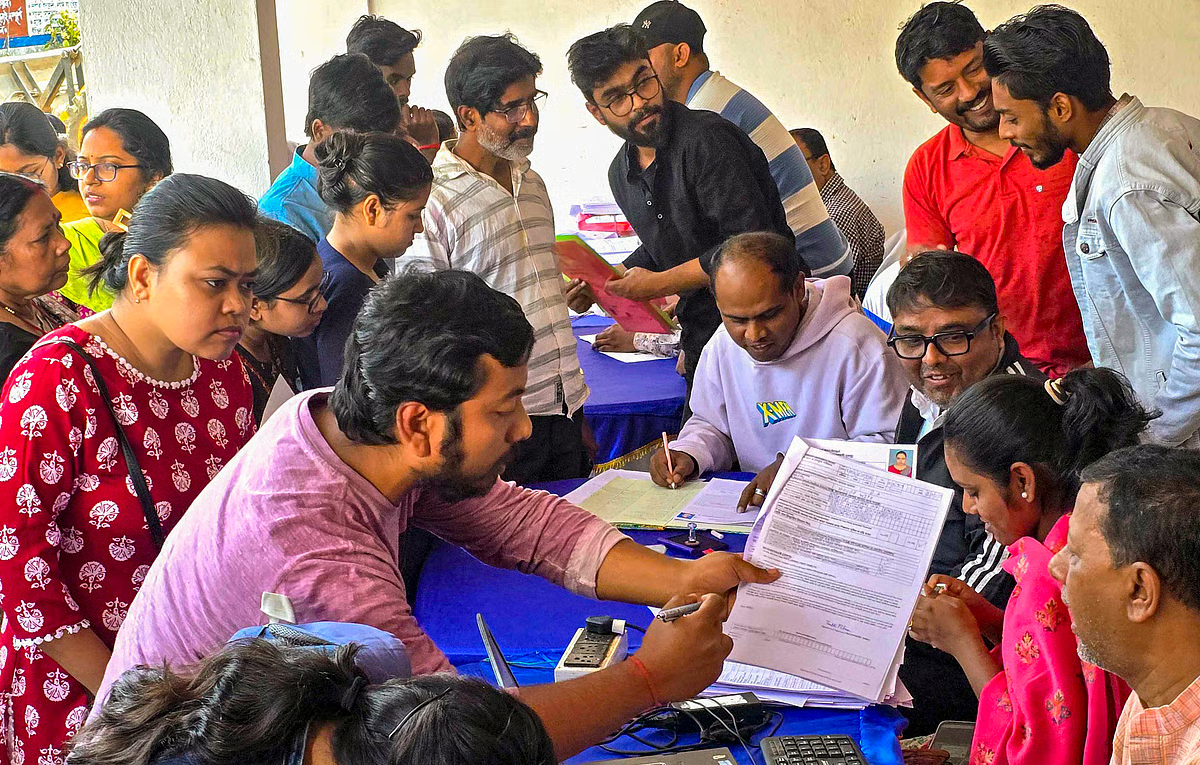
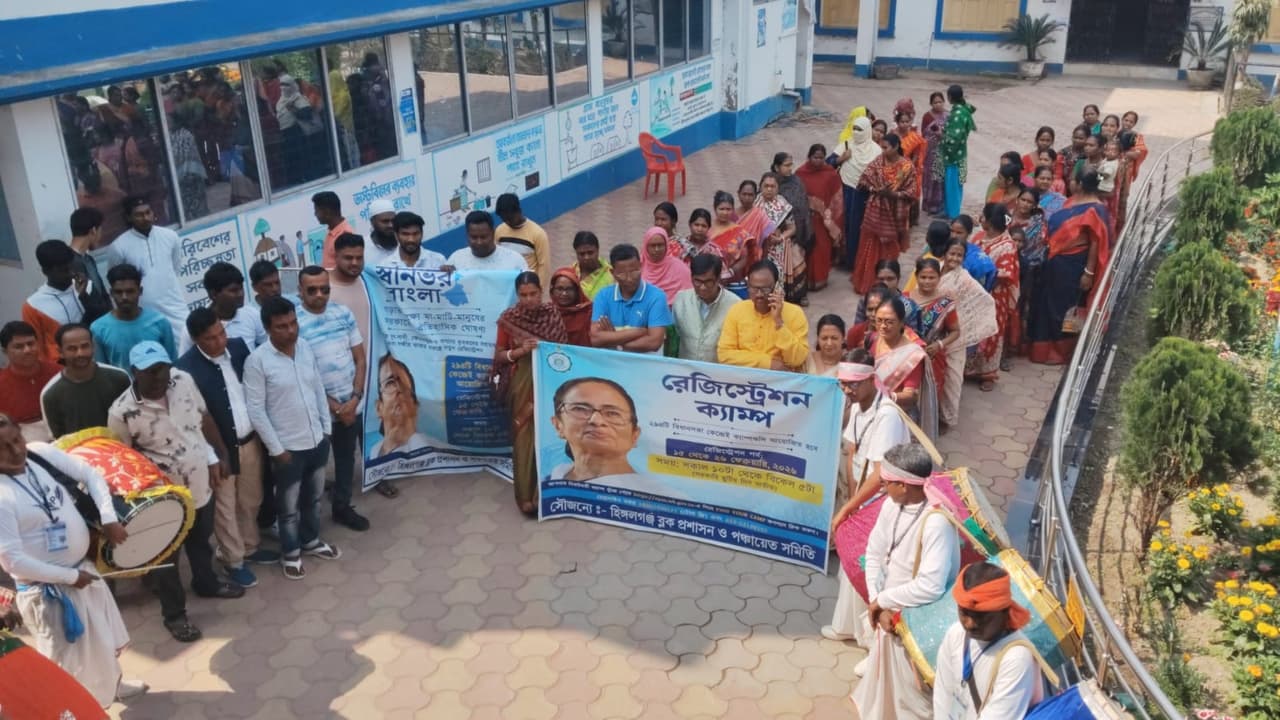
Registration will be carried out through both online portals and local application camps. These camps are expected to play an important role in helping applicants who may not have easy access to digital services. The first disbursement of the allowance is scheduled to begin on April 1, 2026, aligning with the official launch of the scheme.
Who Can Apply for the Scheme
The eligibility framework of the Banglar Yuva Sathi Scheme 2026 has been kept broad to include a large section of unemployed youth while maintaining clear conditions. Applicants must be permanent residents of West Bengal and fall within the age group of 21 to 40 years. A minimum educational qualification of passing the Class 10 examination is required.
Only those who are unemployed at the time of application can apply. The government has also clarified that individuals already receiving financial assistance under other state income-support welfare schemes will not be eligible. However, students who are receiving scholarships such as Aikyasree, Medhasree, Sikhasree, or the Swami Vivekananda Merit-cum-Scholarship will still be allowed to apply for this allowance.
Financial Support and Its Expected Impact
The monthly allowance of ₹1,500 may appear modest, but for many unemployed youth, it can make a meaningful difference. Regular financial support can help cover essential costs like transportation to interviews, mobile data for online applications, or basic personal expenses. This kind of assistance can prevent young people from dropping out of the job search due to financial hardship.
The scheme also has the potential to reduce dependence on family members during periods of unemployment. By offering a sense of financial independence, it may help boost self-confidence and mental well-being among beneficiaries.
Administrative Approach and Accessibility
To ensure smooth implementation, the state government is expected to rely on local administrative units, digital verification systems, and direct benefit transfer mechanisms. The use of local camps alongside online registration is particularly important in rural and semi-urban areas, where digital access may still be uneven.
By keeping the application process time-bound and clearly defined, the government aims to avoid delays and confusion. Transparency in beneficiary selection and timely disbursement will be key factors in determining the scheme’s overall success.
Broader Focus on Youth Welfare
The Banglar Yuva Sathi Scheme 2026 reflects a growing emphasis on youth-focused welfare policies in West Bengal. Rather than treating unemployment solely as an individual issue, the scheme frames it as a shared responsibility between the state and its young citizens. This approach aligns financial support with the broader goal of workforce participation and economic stability.
By supporting educated but unemployed youth, the state hopes to create a more inclusive social safety net. The scheme also signals an understanding that employment transitions take time and that temporary support can play a vital role in helping young people stay motivated and engaged in the job market.
Looking Ahead for Young Job Seekers
As the launch date approaches, expectations around the Banglar Yuva Sathi Scheme 2026 continue to grow. For thousands of young people across West Bengal, the scheme represents not just financial assistance but also recognition of their struggles. Its success will depend on effective implementation, clear communication, and sustained administrative support.
If managed well, the scheme could become an important reference point for youth welfare initiatives in other states, highlighting how targeted financial assistance can help bridge the gap between education and employment.