


Acropolis Museum Reopens After 19 Years in Greece

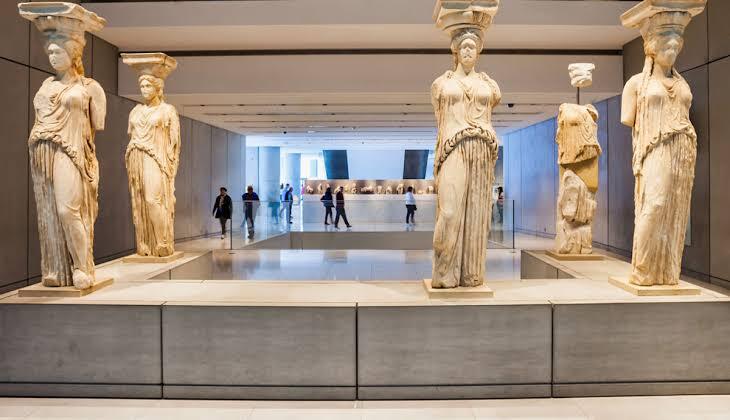
Acropolis Museum in Athens, Greece, reopened to the public on November 23, 2026, after remaining closed for 19 years. The historic museum underwent a seven-year restoration to preserve its archaeological collections and improve the visitor experience. Greek Prime Minister Kyriakos Mitsotakis attended the reopening ceremony along with other officials. The museum is one of Greece’s important cultural landmarks and provides visitors with an opportunity to explore the history, art and ancient civilisation of Athens.
The reopening is an important development for Greece’s cultural heritage and tourism sector. The restored museum will display ancient artefacts, introduce modern digital presentations and provide new spaces for archaeological research and cultural activities.

History of the Old Acropolis Museum
The Old Acropolis Museum was built in 1874 and is considered Greece’s oldest modern-era museum. It is located on the eastern side of the Acropolis hill in Athens. The museum was designed by architect Panagis Kalkos and constructed between 1865 and 1874.
Most of the building is situated below the hilltop, allowing it to blend with the surrounding rocky landscape. It was originally established to preserve and display archaeological discoveries from the Acropolis and nearby ancient monuments.
The museum’s collection includes important artefacts connected with the Parthenon, Propylaea, Erechtheum and Temple of Athena Nike. These objects provide valuable information about ancient Greek civilisation, religious traditions, architecture and artistic development.
During the 1950s, architect Patroklos Karantinos supervised an expansion of the museum using a modern architectural style. Over the years, the building became an important centre for preserving Greece’s archaeological heritage.
Seven-Year Restoration and Modern Facilities
The restoration project took seven years and was supported by public and private donations. According to Greek Culture Minister Lina Mendoni, the restoration cost was approximately €6.2 million, although some reports placed the total at €10 million.
The renovation focused on improving the museum’s structure, protecting historical objects and creating better facilities for visitors. The restored building will also introduce previously unseen ancient artefacts that have not been displayed to the public before.
One of the important features is a digital presentation showing around 2,500 years of the Acropolis’s history. Visitors will be able to learn about the development of the ancient site through modern visual technology.
The museum will also have a special viewing gallery where technicians from the Culture Ministry will carry out restoration work. This will allow visitors to observe how experts preserve and repair ancient archaeological objects.
Ancient Greek Heritage and Contemporary Art
The renewed Acropolis Museum will bring together exhibitions related to Athens’ history, archaeology and culture. Along with ancient artefacts, it will also present contemporary artworks to connect historical traditions with modern creative expression.
An exhibition by artist Michael Rakowitz is among the contemporary art activities planned for the museum. The programme aims to encourage visitors to understand how ancient heritage continues to influence modern art and cultural discussions.
Greek Culture Minister Lina Mendoni described the reopening as a new chapter for the Acropolis. She also highlighted the museum’s role in promoting archaeological knowledge and encouraging cultural dialogue.
The museum is expected to attract historians, researchers, students and international tourists interested in ancient Greek civilisation.
Greece Renews Demand for the Return of Parthenon Sculptures
The reopening ceremony also brought attention to Greece’s long-running demand for the return of the Parthenon Sculptures from the British Museum in London.
Prime Minister Kyriakos Mitsotakis repeated Greece’s position that the sculptures should be returned to their historical homeland. The sculptures, also known as the Elgin Marbles, were removed from the Parthenon in the early 19th century by Lord Elgin and are currently held by the British Museum.
Greece has continued to seek their return, arguing that they form an important part of the country’s cultural heritage. The British Museum has maintained its position on the ownership and display of the sculptures.
The reopening of the Old Acropolis Museum has once again brought international attention to this cultural heritage issue.
Acropolis Remains a Major Tourist Attraction
The Acropolis is one of the most recognised historical sites in Greece and attracts millions of visitors every year. According to the reported figures, the site recorded more than 4.6 million admissions in 2025.
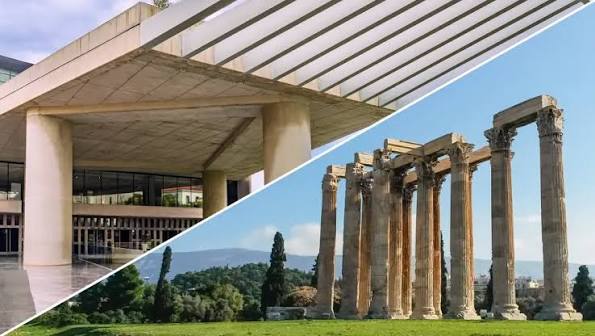
It is famous for its ancient monuments, particularly the Parthenon, which represents the architectural and cultural achievements of ancient Athens.
The reopening of the historic museum is expected to provide visitors with more opportunities to understand the archaeological importance of the Acropolis. Its restored galleries, digital displays and cultural exhibitions will also strengthen Athens’ position as an international destination for history and heritage tourism.