



New Education Policy (NEP 2020): Key Points for Students

The New Education Policy (NEP) 2020 marks one of the biggest reforms in India’s education system in decades. Introduced to replace the old education structure, NEP 2020 aims to make learning more flexible, practical, inclusive, and future-ready. For students, this policy is not just a government document; it directly affects how they study, what they learn, how they are evaluated, and how their careers shape up.
NEP 2020 focuses on reducing academic pressure, encouraging skill-based learning, promoting creativity, and preparing students for real-world challenges, rather than relying on rote memorization.

New School Education Structure
One of the biggest changes under NEP 2020 is the shift from the old 10+2 system to a 5+3+3+4 structure.
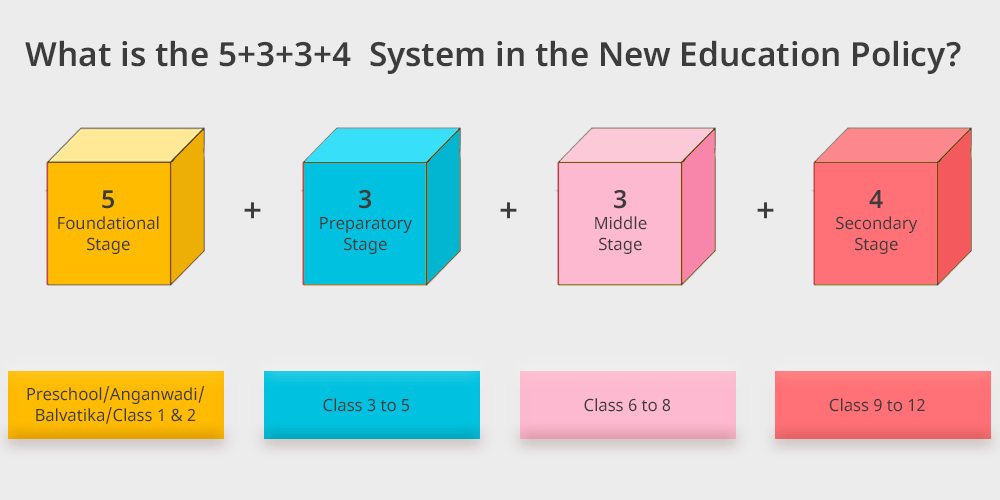
This new structure is designed according to a child’s learning stages rather than class numbers. Early years focus on play-based learning, basic language skills, and curiosity. Middle years emphasize understanding concepts, while senior classes encourage analytical thinking and subject depth. For students, this means learning becomes more natural and less stressful in the early stages.
Focus on Conceptual Learning Instead of Rote Learning
NEP 2020 strongly discourages memorization-based education.
Students are now encouraged to understand concepts deeply rather than mug up answers. Teaching methods aim to promote questioning, logical thinking, and application of knowledge in real-life situations. This shift helps students perform better not just in exams, but also in higher education and careers.
Flexible Subject Choices
Under NEP 2020, students are no longer restricted to rigid subject streams like Science, Commerce, or Arts.
A student can study physics along with music, or mathematics with psychology. This flexibility allows students to explore interests freely and build careers that align with their strengths. It also reduces the pressure of choosing a “perfect” stream at a young age.
Multiple Exit Options in Higher Education
One of the most student-friendly features of NEP 2020 is the introduction of multiple exit options in undergraduate programs.
If a student leaves college after one year, they can receive a certificate. After two years, a diploma. After three years, a degree. This system protects students from losing academic progress due to financial, personal, or health reasons and makes higher education more adaptable.
Emphasis on Skill Development and Vocational Education
NEP 2020 gives strong importance to skills and vocational training.
Students will be introduced to vocational subjects, internships, and hands-on training from the school level itself. Skills like coding, communication, design, entrepreneurship, and technical trades are treated as equally important as academic subjects. This helps students become job-ready and confident early in life.
Reduced Exam Pressure and New Assessment Methods
NEP 2020 aims to reduce exam stress by changing how students are assessed.
Instead of relying only on final exams, students will be evaluated through continuous assessments, projects, presentations, and practical work. Board exams are being redesigned to test understanding rather than memorization. This shift helps students express learning in multiple ways and reduces the fear of exams.
Medium of Instruction and Language Learning
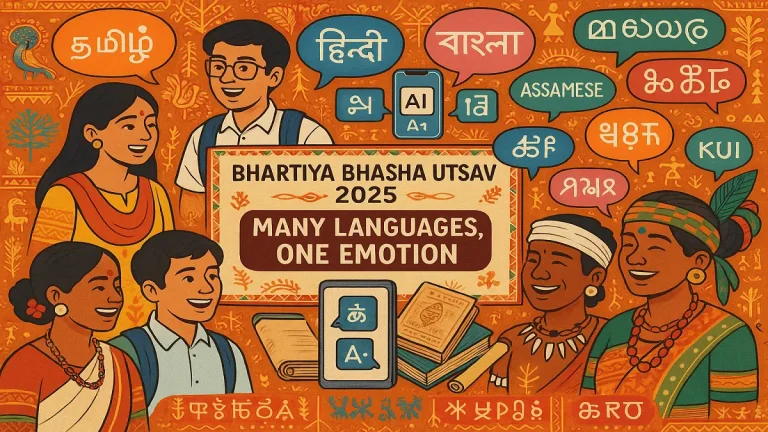
NEP 2020 promotes learning in the mother tongue or regional language, especially in early education.
Research shows that students understand concepts better in their native language. At the same time, NEP also encourages multilingualism, allowing students to learn multiple Indian and foreign languages. This improves communication skills and cultural awareness.
Digital Learning and Technology Integration
Technology plays a major role in NEP 2020.
Digital classrooms, online courses, virtual labs, and e-learning platforms are encouraged to improve access to quality education. Students benefit from online resources, recorded lectures, and digital assessments, especially in remote and rural areas.
Holistic Development of Students
NEP 2020 looks beyond marks and ranks.
It focuses on emotional intelligence, physical health, creativity, ethics, and critical thinking. Sports, arts, music, and co-curricular activities are given equal importance. Students are encouraged to develop confidence, leadership, and social responsibility.
Support for Higher Education and Research

The policy aims to improve the quality of colleges and universities.
It encourages multidisciplinary education, research opportunities, and global collaboration. Students can pursue diverse academic paths and research-based learning. Higher education institutions are expected to become more student-centric and flexible.
What NEP 2020 Means for Students’ Future
For students, NEP 2020 creates a more supportive and practical education system.
It allows freedom to explore interests, reduces unnecessary pressure, and connects education with real-life skills. Students can build personalized learning journeys instead of following one fixed path. Over time, this approach aims to produce confident, skilled, and adaptable individuals ready for the modern world.
Conclusion: NEP 2020 as a Student-Centric Reform
The New Education Policy 2020 represents a shift towards learning with purpose. It recognizes that every student is different and that education should nurture curiosity, skills, and confidence rather than fear of exams. While implementation will take time, the vision of NEP 2020 is clear to make Indian education more inclusive, flexible, and future-ready.
For students, understanding NEP 2020 early helps them make better academic and career choices. With awareness and adaptability, students can truly benefit from the opportunities this policy offers.