

The Ultimate Guide to Education in India (2026 Edition)

Education in India has always been a cornerstone of its cultural and intellectual legacy. From ancient gurukuls to modern universities, the Indian education system has continuously evolved, balancing tradition with innovation. As we step into 2026, education in India is entering a transformative era driven by digital learning, policy reforms, global collaborations, and a renewed focus on skill-based learning.
This guide will help you understand the entire educational landscape of India, from school education to higher studies, online learning platforms, and the challenges and opportunities shaping the future.

1. Structure of the Indian Education System
The education system in India is broadly divided into the following stages:

1.1 Pre-Primary Education
- Age Group: 3–6 years
- Focus: Foundational learning through play-based methods.
- Institutions: Playschools, Nursery, and Kindergarten.
This stage lays the foundation for literacy, numeracy, and emotional development.
1.2 Primary Education
- Classes: 1 to 5 (Age 6–11 years)
- Subjects: Languages, Mathematics, Environmental Studies, Art, and Physical Education.
The emphasis is on building a strong academic foundation while encouraging curiosity and creativity.
1.3 Secondary Education
- Classes: 6 to 10 (Age 11–16 years)
- Boards: CBSE, ICSE, State Boards, and now more international boards like IB and Cambridge.
Students begin to specialize slightly and are exposed to technology, coding, and critical thinking.
1.4 Higher Secondary Education
- Classes: 11 and 12 (Age 16–18 years)
- Students choose a stream, Science, Commerce, or Arts, depending on their career goals.
- This stage determines entry into professional courses and universities.
1.5 Higher Education
- Includes: Colleges, Universities, and Professional Institutions.
- Degrees Offered: Undergraduate (UG), Postgraduate (PG), and Doctoral (Ph.D.) programs.
India has over 1,000 universities and 40,000+ colleges, making it one of the largest higher education networks in the world.
2. Key Educational Boards in India
2.1 CBSE (Central Board of Secondary Education)

- Nationally recognized and follows a uniform curriculum across India.
- Focuses on concept-based learning and preparing students for competitive exams like JEE and NEET.
2.2 ICSE (Indian Certificate of Secondary Education)
- Known for its detailed syllabus and emphasis on English proficiency and holistic learning.
2.3 State Boards
- Each state has its own education board, which aligns with regional languages and local subjects.
2.4 International Boards
- Popular in metro cities, offering globally recognized curricula like IB (International Baccalaureate) and Cambridge IGCSE.
3. The Role of NEP 2020 in Education (2026 Update)
The National Education Policy (NEP) 2020 continues to reshape the Indian education system, with 2026 marking its major implementation phase.
3.1 Key Highlights of NEP 2020
- 5+3+3+4 Structure: Replacing the traditional 10+2 format.
- Multilingual Learning: Emphasis on mother tongue as the medium till Grade 5.
- Skill-Based Curriculum: Coding, arts, and vocational skills are introduced early.
- Flexible Subject Choices: Students can mix arts, commerce, and science subjects.
- Digital Integration: Online and blended learning encouraged through platforms like SWAYAM and DIKSHA.
3.2 Implementation Progress by 2026
- Several states have revised syllabi according to NEP 2020.
- Teacher training and assessment reforms are in advanced stages.
- The National Credit Framework (NCrF) has been integrated to allow students to transfer credits between different institutions easily.
4. Competitive Exams and Career Paths
4.1 For Engineering Aspirants
- JEE Main & Advanced for IITs, NITs, and other engineering colleges.
4.2 For Medical Students
- NEET (National Eligibility cum Entrance Test) for MBBS, BDS, and allied courses.
4.3 For Management Students
- CAT, XAT, MAT, NMAT, GMAT for MBA admissions.
4.4 For Government Jobs
- UPSC, SSC, and State PSC examinations remain popular for administrative careers.
4.5 For Arts and Humanities
- Entrance tests for courses in psychology, journalism, law, and design, like CUET, NIFT, NID, and CLAT, are growing in popularity.
5. Growth of Online and Digital Education

The pandemic accelerated India’s transition toward digital education, and by 2026, online learning will have become an integral part of the system.
5.1 Popular Platforms
- SWAYAM, Coursera, BYJU’s, Unacademy, Khan Academy, Vedantu, and UpGrad offer free and paid courses.
5.2 Hybrid Learning Trend
Schools and universities are adopting blended models, combining physical classrooms with digital tools, virtual labs, and interactive resources.
5.3 Government Initiatives
- DIKSHA: A national platform for digital school education.
- E-Pathshala: Provides e-books and digital learning materials.
- NPTEL: For technical and engineering courses from IITs.
6. Challenges in the Indian Education System
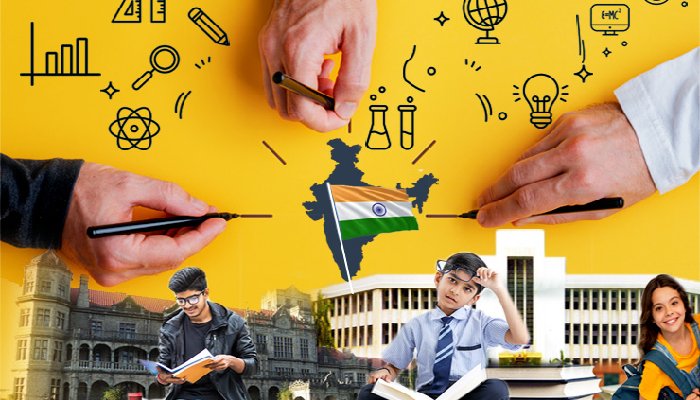
Despite the progress, several issues persist.
6.1 Inequality in Access
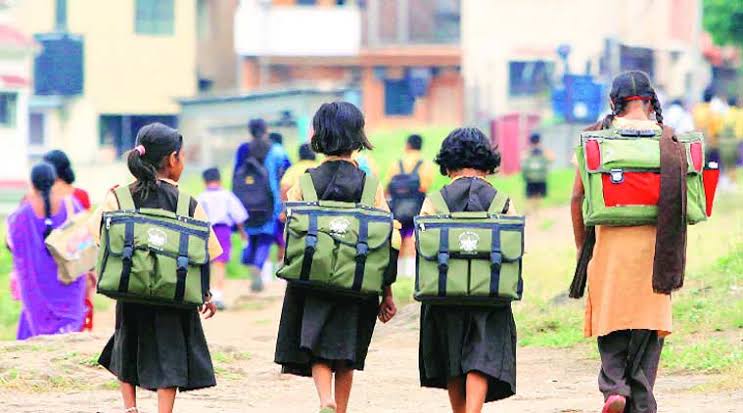
Rural and underprivileged students still struggle with quality education due to a lack of infrastructure and resources.
6.2 Quality of Teaching
Teacher training and accountability remain areas that need continuous improvement.
6.3 Exam Pressure
India’s exam-centric culture often causes mental stress among students, reducing creativity and curiosity.
6.4 Dropout Rates
Many students, especially girls in rural areas, still drop out due to financial or social constraints.
6.5 Need for Skill Alignment
The job market demands new-age skills like data analytics, AI, and communication areas, where the education system needs to catch up.
7. Innovations and Future of Education in India (2026 and Beyond)
7.1 AI and Technology in Classrooms
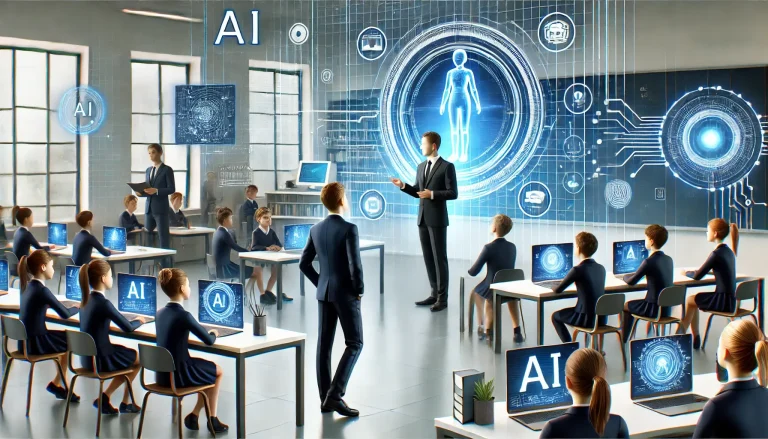
AI tutors, virtual reality classrooms, and adaptive learning platforms personalize education for every student.
7.2 Skill-Based Universities
Institutes now offer short-term certifications in robotics, AI, design thinking, and entrepreneurship.
7.3 Global Collaboration
Partnerships with international universities are increasing through dual-degree programs and research exchanges.
7.4 Emphasis on Emotional Intelligence
Schools are integrating life skills, mindfulness, and emotional well-being sessions.
7.5 Sustainable Education
Eco-friendly curricula promote environmental awareness and sustainable development goals (SDGs).
8. Scholarships and Financial Assistance

8.1 Government Scholarships
- National Scholarship Portal (NSP) for merit and need-based aid.
- Post-Matric Scholarship for Minorities and SC/ST schemes.
8.2 Private Scholarships
Corporations like Tata, Aditya Birla, and Infosys offer financial support to deserving students.
8.3 International Scholarships
Programs like Chevening, Fulbright-Nehru, and DAAD help Indian students study abroad.
9. Role of Parents and Teachers in Modern Education
9.1 Parents
Parents are now seen as active collaborators in their child’s education, not just observers. Their involvement in mental health, discipline, and motivation has become crucial.
9.2 Teachers
Teachers are transforming into mentors and facilitators rather than traditional lecturers. Continuous learning and professional development are encouraged.
10. The Future Vision of Indian Education
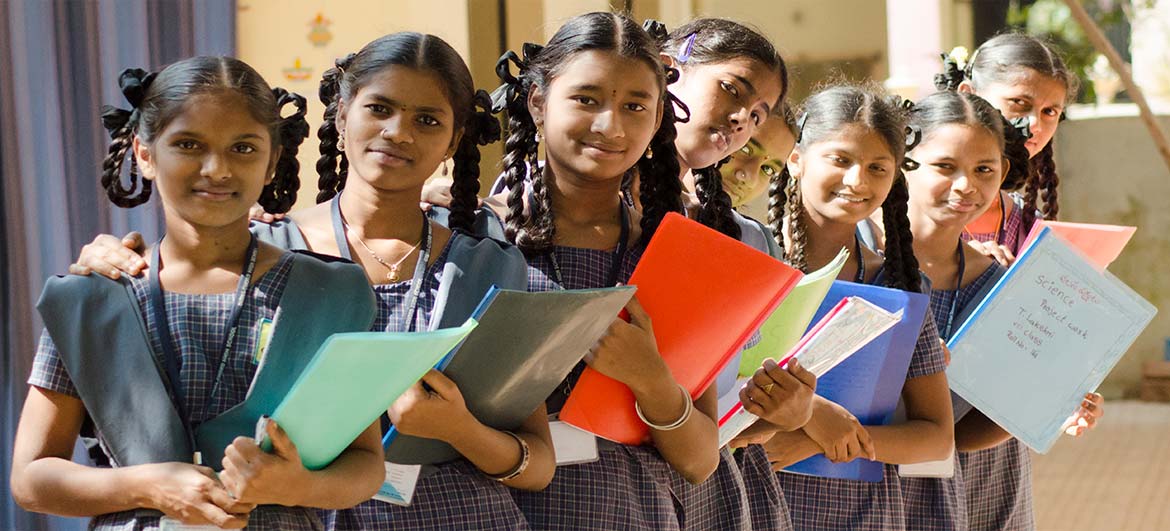
The next decade aims to make Indian education more inclusive, global, and skill-driven. With the combined efforts of government reforms, digital innovation, and active community involvement, India is preparing its youth to compete on an international scale.
Conclusion: Education in India: A Journey of Transformation
Education in India has come a long way from chalkboards to smartboards, from rote learning to experiential learning. As we look ahead to 2026 and beyond, the system is not just about academics anymore; it’s about building character, curiosity, and capability.
The integration of technology, the implementation of NEP 2020, and the rise of hybrid education mark a new dawn for students and educators alike. The focus has shifted from degrees to skills, from exams to experiences, and from classrooms to creativity.
While challenges like inequality and access remain, India’s educational journey is evolving into something truly transformative where every child has the chance to learn, grow, and lead. The ultimate goal is clear: to make education in India not just a pathway to jobs but a foundation for innovation, inclusivity, and lifelong learning.