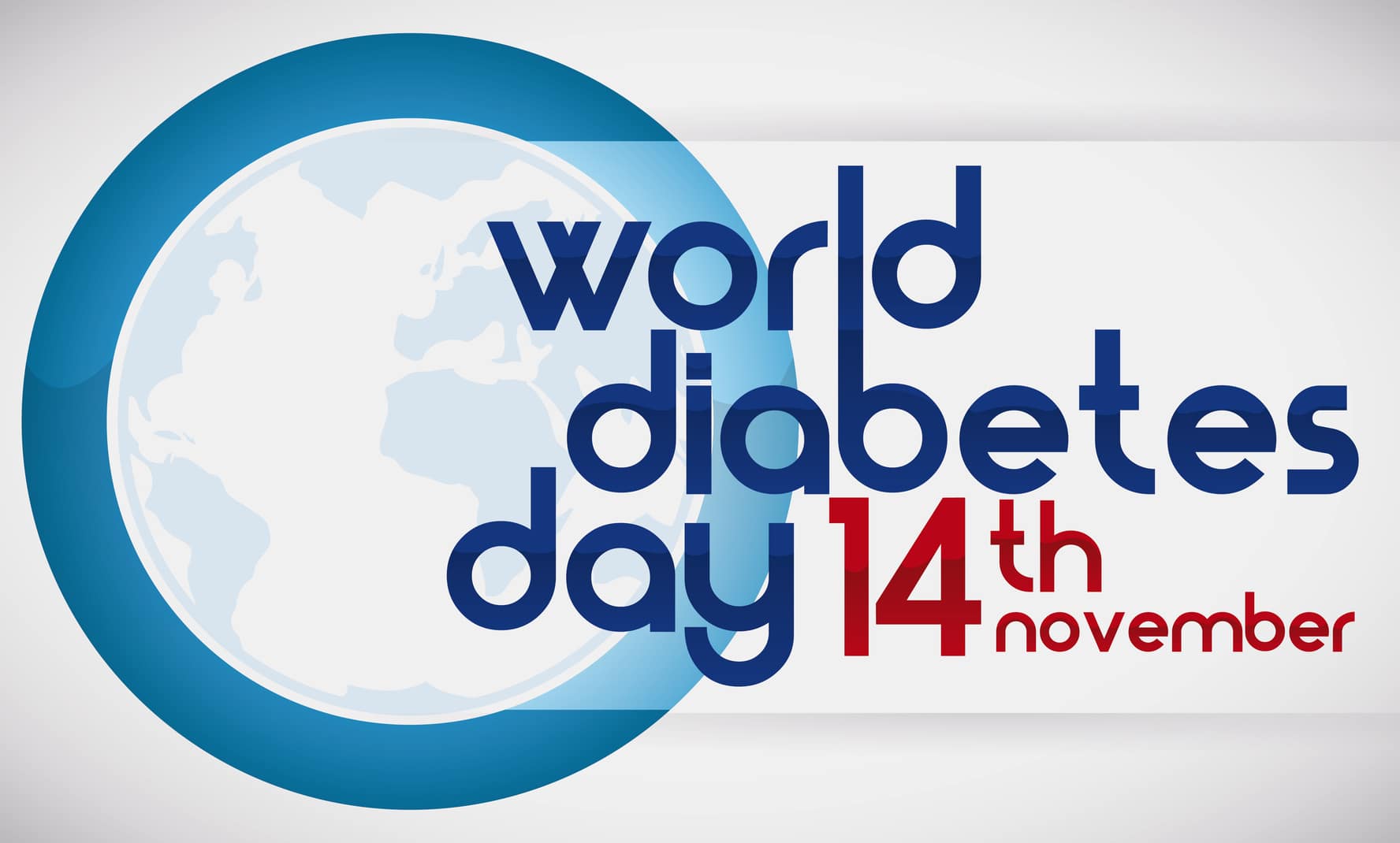
World Diabetes Day: Raising Awareness for a Healthier Future

Every year on November 14th, the world comes together to observe World Diabetes Day, an important global health awareness campaign that sheds light on one of the most common chronic diseases affecting millions of people across the globe diabetes. Created by the International Diabetes Federation (IDF) and recognized by the World Health Organization (WHO), this day aims to educate people about the causes, types, prevention, and management of diabetes while emphasizing the importance of a healthy lifestyle.
Thank you for reading this post, don't forget to subscribe!The theme for World Diabetes Day 2024–26 is “Diabetes and Well-being.” This theme underscores the significance of promoting emotional and mental health as an integral part of diabetes care. It focuses on holistic well-being, ensuring that individuals receive not just medical support but also emotional and psychological care. Diabetes affects not only the body but also the mind, and this theme seeks to address those challenges in a comprehensive way.
The Origin of World Diabetes Day
The origin of World Diabetes Day dates back to 1991, when the International Diabetes Federation (IDF) and the World Health Organization (WHO) decided to create a day dedicated to spreading awareness about diabetes. At that time, the number of people being diagnosed with diabetes was rising at an alarming rate worldwide. Both organizations recognized the urgent need for a global campaign to educate the public about the disease and its prevention.
The date, November 14th, was chosen to honor the birthday of Sir Frederick Banting, who, along with Charles Best, discovered insulin in 1922 a life-saving treatment for millions of people living with diabetes. The discovery of insulin marked a turning point in medical history, transforming diabetes from a fatal disease into a manageable condition.
In 2006, the United Nations officially recognized World Diabetes Day as a UN holiday, giving it greater global significance. Since then, the campaign has reached over one billion people in more than 160 countries, making it one of the largest global health awareness movements in the world.
The official World Diabetes Day logo, introduced in 2007, features a blue circle on a white background. The blue circle symbolizes the unity of the global community in the fight against diabetes and the color blue represents the sky that unites all nations.
Over the years, the themes of World Diabetes Day have changed to reflect emerging issues and priorities in diabetes care. From “Protect Our Future: Diabetes Education and Prevention” (2013) to “Women and Diabetes – Our Right to a Healthy Future” (2017) and “The Nurse and Diabetes” (2020), each theme has focused on different aspects of the disease, from prevention and care to gender equality and healthcare support.
Understanding Diabetes
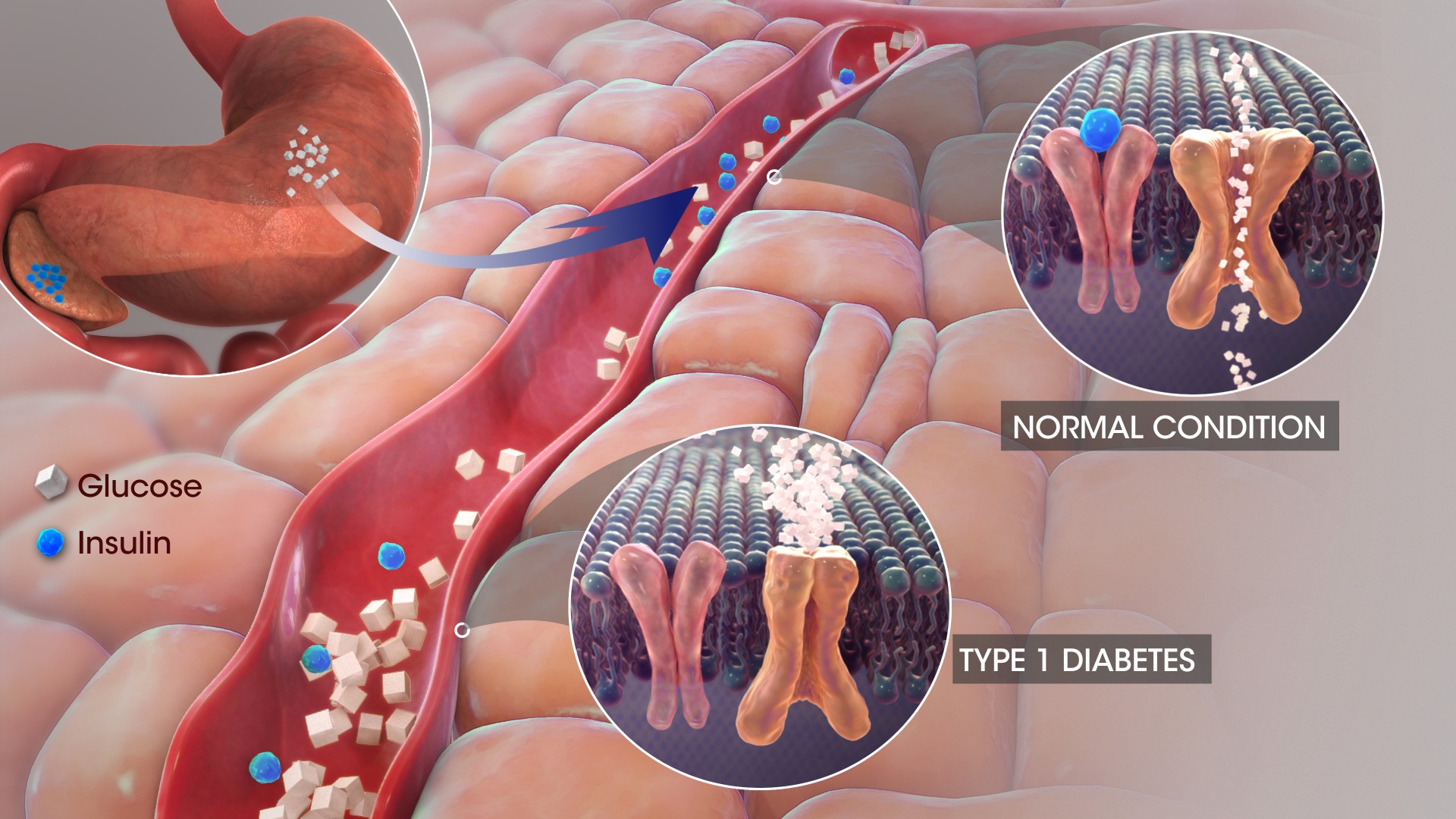
Diabetes is a chronic, non-communicable disease that occurs when the body either cannot produce enough insulin or cannot effectively use the insulin it produces. Insulin is a hormone produced by the pancreas that helps regulate blood sugar (glucose) levels. Without proper insulin function, glucose accumulates in the bloodstream, leading to high blood sugar levels, which over time can cause serious health complications.
There are three main types of diabetes Type 1, Type 2, and Gestational Diabetes, along with a few rare forms.
Type 1 Diabetes is an autoimmune condition in which the body’s immune system attacks and destroys the insulin-producing beta cells in the pancreas. The exact cause remains unknown, though genetic and environmental factors play a role. This type of diabetes usually appears during childhood or adolescence but can develop at any age. People with Type 1 diabetes require insulin injections or insulin pumps for survival, as their bodies cannot produce insulin.
Type 2 Diabetes is the most common form of the disease, typically associated with lifestyle factors such as obesity, lack of exercise, and poor diet. In this type, the body’s cells become resistant to insulin, and over time, the pancreas cannot produce enough insulin to maintain normal blood sugar levels. Type 2 diabetes often develops in adults but is increasingly being seen in younger people due to unhealthy lifestyles. Unlike Type 1, Type 2 diabetes can often be managed and sometimes prevented through lifestyle modifications such as healthy eating, regular exercise, weight management, and medication if necessary.
Gestational Diabetes occurs during pregnancy when the body cannot produce enough insulin to meet the increased needs caused by hormonal changes. Although it often disappears after childbirth, it poses risks for both the mother and baby and increases the mother’s chances of developing Type 2 diabetes later in life.
There are also less common forms of diabetes, such as monogenic diabetes (caused by single gene mutations) and secondary diabetes (caused by other medical conditions or medications).
The Growing Global Concern
Diabetes has become one of the fastest-growing health challenges worldwide. According to the International Diabetes Federation, over 537 million adults (aged 20–79 years) were living with diabetes in 2023, and this number is projected to rise to 643 million by 2030 and 783 million by 2045.
India, often called the “Diabetes Capital of the World,” accounts for a significant share of this global burden. Sedentary lifestyles, urbanization, and dietary habits have all contributed to this rise. The disease not only affects individuals but also has an enormous economic impact, straining healthcare systems and families financially.
Raising awareness about early diagnosis and preventive care is crucial. Many people remain undiagnosed for years, increasing their risk of developing severe complications such as heart disease, kidney failure, nerve damage, vision loss, and stroke.
The Importance of Well-being in Diabetes Care
The theme “Diabetes and Well-being” for the years 2024–26 aims to highlight that diabetes management is not only about controlling blood sugar levels but also about addressing mental, emotional, and social well-being.
Living with diabetes can be emotionally draining. Patients often experience diabetes distress, anxiety, or depression due to the constant need for monitoring, dietary restrictions, and fear of complications. A person’s emotional state plays a major role in how effectively they can manage their diabetes.
This is why holistic care is so important. Health systems are now focusing on providing psychological support, community-based counseling, and educational programs that help people understand and cope with the emotional side of living with diabetes. Encouraging regular exercise, a balanced diet, mindfulness practices, and social support can significantly improve the overall well-being of those affected.
How World Diabetes Day Is Observed
Across the world, World Diabetes Day is marked by a wide range of activities and events aimed at raising awareness and promoting preventive care.
Organizations such as the American Diabetes Association and International Diabetes Federation conduct conferences, health screenings, educational workshops, and awareness rallies. Public landmarks and buildings are often illuminated in blue, the official color of the campaign, to show solidarity with the cause.
Media outlets play a vital role by sharing educational content on TV, radio, newspapers, and social media. Many hospitals and health centers offer free glucose testing camps and awareness drives to encourage early detection. Schools and workplaces organize talks and seminars about healthy eating, the importance of exercise, and how to recognize symptoms of diabetes early.

On this day, global health advocates remind everyone that diabetes prevention begins with simple lifestyle changes healthy eating, regular exercise, maintaining a healthy weight, and regular medical check-ups.
Preventing and Managing Diabetes
Prevention is the key, especially for Type 2 diabetes, which is largely lifestyle-related. Making small but consistent changes in daily habits can significantly reduce risk:
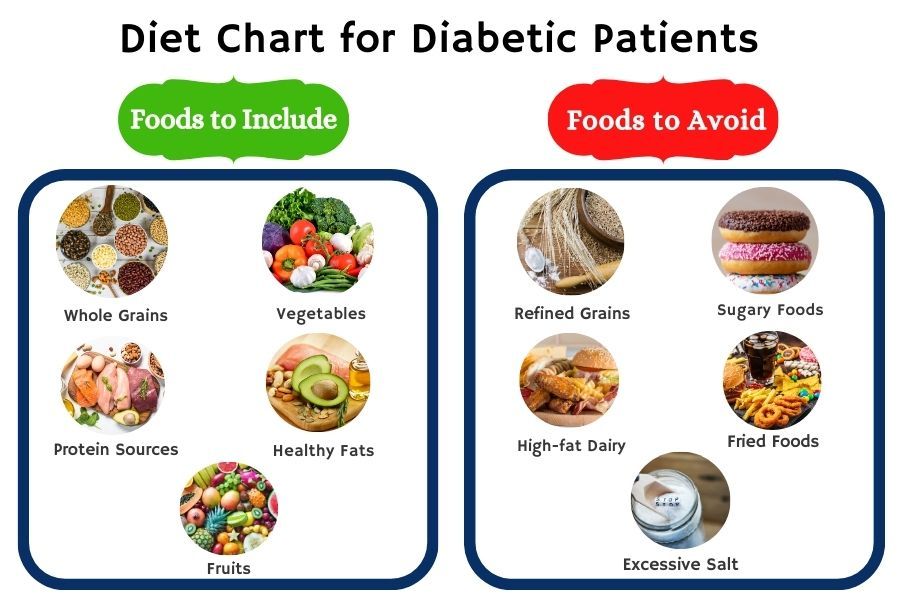
- Eat a balanced diet: Focus on whole grains, lean proteins, fruits, and vegetables while reducing processed foods and sugary drinks.
- Exercise regularly: Engage in at least 30 minutes of moderate physical activity, such as walking, cycling, or yoga, most days of the week.
- Maintain a healthy weight: Even modest weight loss can have a big impact on lowering risk.
- Get regular check-ups: Routine blood sugar monitoring and annual health screenings can help detect diabetes early.
- Manage stress: Stress can influence blood sugar levels. Techniques like meditation, breathing exercises, and hobbies can help maintain mental well-being.
For those already living with diabetes, regular consultation with healthcare professionals is crucial. Following medication plans, monitoring glucose levels, and staying informed about the latest treatment options are vital steps in effective management.
The Future of Diabetes Care
Advancements in medical technology have transformed diabetes care. Innovations such as continuous glucose monitors (CGMs), insulin pumps, and artificial pancreas systems have made it easier to track and control blood sugar levels in real time. Research continues on gene therapy, stem cell treatments, and new insulin formulations, offering hope for improved management and potential cures in the future.
Moreover, governments and healthcare organizations are increasingly integrating diabetes prevention into public health policies, recognizing the need for collective action. Initiatives that promote healthy diets, physical activity, and accessible healthcare services can help reduce the growing diabetes burden worldwide.
Conclusion
World Diabetes Day serves as a reminder that diabetes is not just a medical condition it’s a global challenge that requires awareness, compassion, and action. Every year on November 14th, millions unite to spread knowledge, inspire prevention, and advocate for better care and well-being.
By focusing on the theme “Diabetes and Well-being”, we acknowledge that managing diabetes goes beyond medication it’s about nurturing both body and mind. Through education, community support, and early intervention, we can reduce the impact of diabetes and move toward a healthier, more informed world.
FAQs about World Diabetes Day
1. When is World Diabetes Day observed?
World Diabetes Day is observed every year on November 14th to raise awareness about diabetes and its prevention.
2. Why is November 14 chosen for World Diabetes Day?
November 14 marks the birthday of Sir Frederick Banting, who discovered insulin in 1922, a life-saving treatment for diabetes.
3. What is the theme of World Diabetes Day 2024–26?
The theme for World Diabetes Day 2024–26 is “Diabetes and Well-being.” It focuses on mental, emotional, and physical well-being in diabetes care.
4. Who founded World Diabetes Day?
World Diabetes Day was created in 1991 by the International Diabetes Federation (IDF) and the World Health Organization (WHO) to address the growing diabetes crisis.
5. What is the symbol of World Diabetes Day?
The blue circle is the official symbol of World Diabetes Day, representing global unity and the collective effort to fight diabetes.
6. What are the main types of diabetes?
There are three main types of diabetes Type 1 Diabetes, Type 2 Diabetes, and Gestational Diabetes.
7. Can diabetes be prevented?
Type 2 diabetes can often be prevented or delayed through healthy eating, regular physical activity, and maintaining a healthy weight. However, Type 1 diabetes cannot be prevented as it is an autoimmune condition.
8. What are the common symptoms of diabetes?
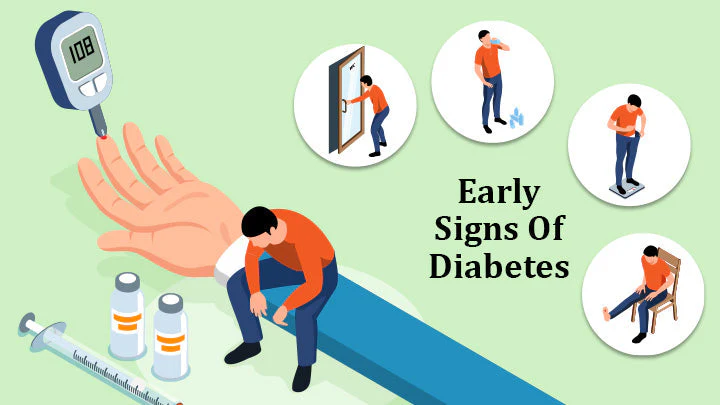
Common symptoms include frequent urination, excessive thirst, fatigue, blurred vision, slow wound healing, and unexplained weight loss.
9. How is World Diabetes Day celebrated worldwide?
The day is observed with awareness campaigns, health check-up camps, educational seminars, blue light landmarks, and media programs to spread knowledge about diabetes prevention and care.
10. What can individuals do to support World Diabetes Day?
People can participate in awareness events, wear blue, get tested for blood sugar, and promote healthy habits in their communities to support the cause.