Short Essay on Gandhi Jayanti in English 2025

This Essay on Gandhi Jayanti explains the life, teachings, and significance of Mahatma Gandhi, inspiring peace, truth, and unity in today’s world.
Thank you for reading this post, don't forget to subscribe!Introduction
The introduction of a Gandhi Jayanti essay should clearly state what the day is, why it is celebrated, and its importance both in India and worldwide.
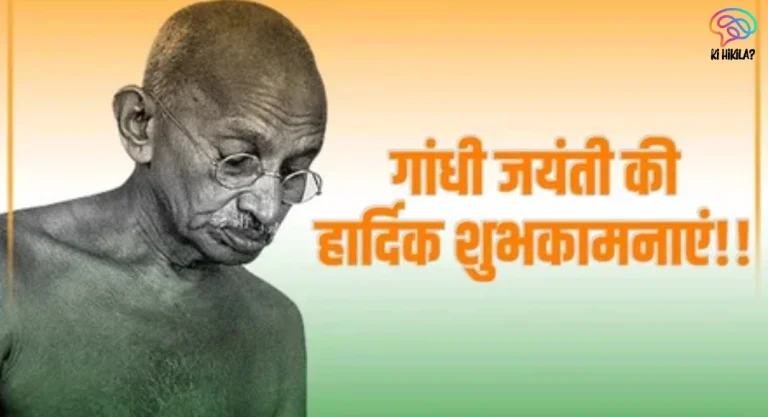
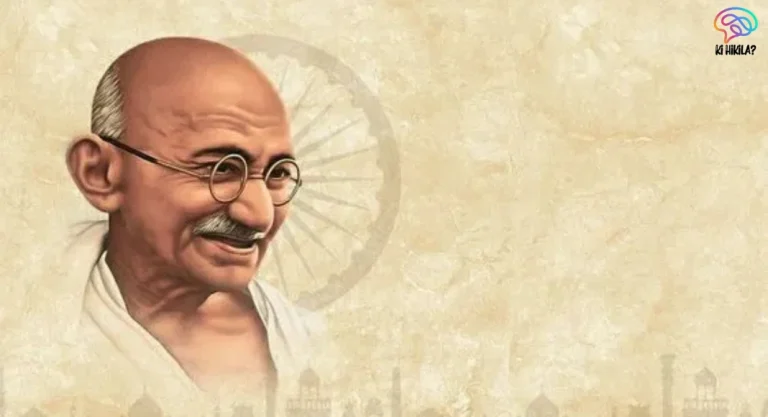
Gandhi Jayanti is observed every year on 2nd October to mark the birth of Mahatma Gandhi, born in 1869. Gandhi is remembered as the Father of the Nation because of his pivotal role in India’s independence movement through peaceful means. This day is not only a tribute to his birth but a celebration of his ideals such as truth, non-violence, simplicity, self-reliance, and service to humanity.
In 2007, the United Nations officially declared Gandhi Jayanti as the International Day of Non-Violence in recognition of his philosophy. This reflects that Gandhi’s life is a model for peace and social change, and his teachings hold global relevance. The introduction should also highlight that this day encourages people to remember Gandhi’s message and apply it in daily life for a better society.
Early Life and Education of Mahatma Gandhi
Understanding Gandhi’s early life helps explain how his character and philosophy were formed.
Mahatma Gandhi was born as Mohandas Karamchand Gandhi on 2nd October 1869 in Porbandar, Gujarat. He was the youngest of his family’s children, born into a modest household. His father was a small-time government official, and his mother instilled in him moral values, honesty, and compassion.
Gandhi’s schooling in Vadnagar introduced him to literature, religion, and moral stories. These shaped his thinking and inspired him to live a life of service. Later, Gandhi travelled to London to study law, and then went to South Africa to practise as a lawyer.
His years in South Africa were transformative — he faced racial discrimination and injustice firsthand. This experience gave birth to his concept of Satyagraha (truth-force or non-violent resistance), which he later used as a powerful weapon in India’s struggle for independence. Gandhi’s early life shows that personal experiences, education, and hardships can shape a person’s vision for society.
Significance of Gandhi Jayanti
This section explains the deeper meaning of Gandhi Jayanti beyond being a national holiday.
Gandhi Jayanti serves as a reminder of Gandhi’s contribution to India’s independence and his vision for a peaceful society. The day reminds us of the core values Gandhi lived by:
- Non-Violence (Ahimsa): Gandhi believed that violence only fuels hatred. Peaceful resistance is the strongest weapon against injustice.
- Truth (Satya): Gandhi taught that truth is the highest principle. Every action must be guided by honesty and integrity.
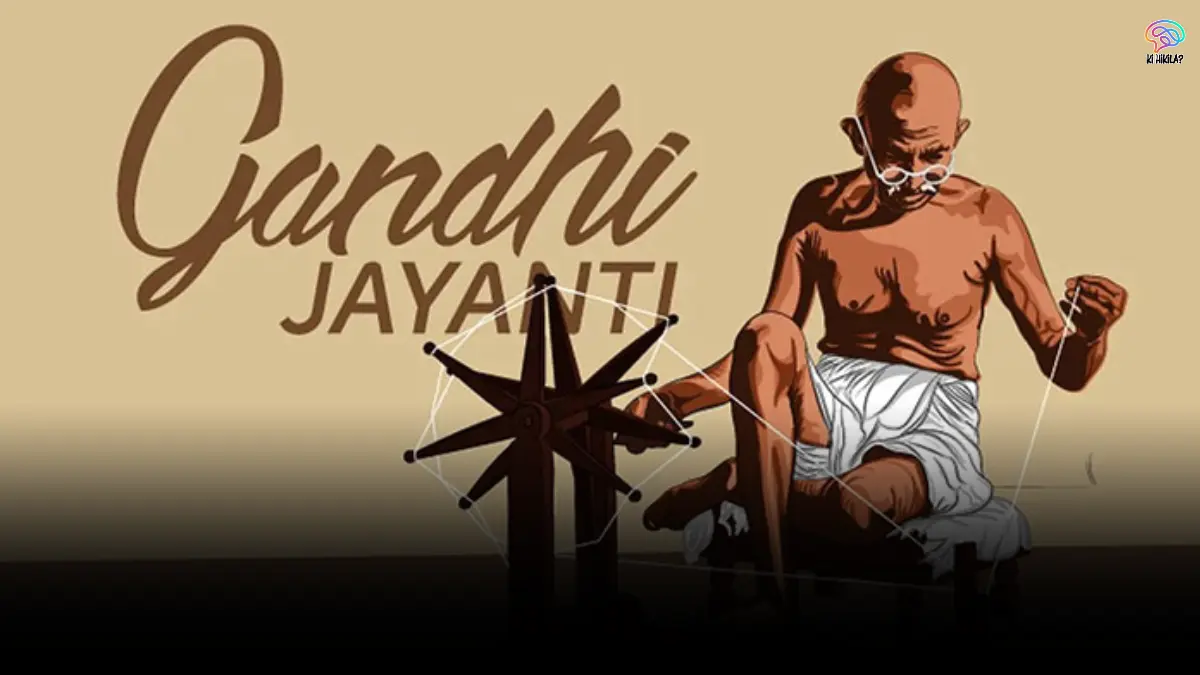
- Self-Reliance (Swadeshi): He promoted the use of locally-made goods to strengthen the nation’s economy and independence.
- Simplicity: Gandhi led a life of humility, wearing simple clothes and living modestly, which reflected his belief in minimalism and moral living.
Celebrating Gandhi Jayanti is about keeping these values alive in our everyday life — in how we behave, how we resolve conflicts, and how we contribute to society.
Celebrations and Observances
This point explains how Gandhi Jayanti is celebrated and why it is a day of action as much as remembrance.
In India, Gandhi Jayanti is a national holiday, but it is celebrated with both solemn respect and active programmes. Celebrations include:
- Raj Ghat Ceremony: The President, Prime Minister, and leaders from across the country offer floral tributes at Gandhi’s memorial in Delhi, known as Raj Ghat. This is the central event for Gandhi Jayanti.
- Educational Activities: Schools and colleges arrange essay competitions, speeches, debates, and seminars to help students learn about Gandhi’s life, struggles, and values.
- Community Service: Inspired by Gandhi’s idea of cleanliness and selfless service, people take part in cleanliness drives and social service activities. The Swachh Bharat Mission (Clean India Mission) is directly inspired by Gandhi’s vision of sanitation.
- Cultural Programmes: Plays, exhibitions, art competitions, and song performances are organised to depict his life and teachings.
These celebrations not only honour Gandhi but also help pass his values to future generations.
Global Impact
Gandhi’s teachings have a powerful influence beyond India. His philosophy of peaceful resistance has inspired global leaders and movements for civil rights and freedom.
For example:
- Martin Luther King Jr. adopted Gandhi’s principles in the civil rights movement in the United States to fight racial segregation without violence.
- Nelson Mandela used Gandhi’s methods in the fight against apartheid in South Africa.
The UN’s declaration of Gandhi Jayanti as the International Day of Non-Violence shows the universal value of his ideals. Gandhi’s life demonstrates that peaceful action can transform societies and nations, making his legacy relevant to global peace and justice movements today.
Conclusion
Gandhi Jayanti is far more than a public holiday; it is a day of reflection, learning, and inspiration. It reminds us of Mahatma Gandhi’s life and the ideals he fought for, including truth, non-violence, equality, and selfless service.
Celebrating Gandhi Jayanti is a chance to embrace these values in our personal lives and contribute to building a peaceful society. Gandhi’s legacy teaches us that even the smallest actions done with truth and compassion can bring about great change.
By remembering Gandhi’s life, we commit ourselves to creating a world where peace, justice, and unity flourish.
FAQ’s on Gandhi Jayanti
What is Gandhi Jayanti?
Gandhi Jayanti is a national holiday in India, celebrated annually on October 2nd, to honor the birth of Mahatma Gandhi, the leader of India’s independence movement. The day is observed with prayer meetings, tributes, and cultural programs across the country.
Why is Gandhi Jayanti celebrated on October 2nd?
October 2nd marks the birth anniversary of Mahatma Gandhi in 1869. The day is significant for commemorating his contributions to India’s independence and promoting his principles of non-violence and truth.
What is the significance of Gandhi Jayanti?
Gandhi Jayanti honors Mahatma Gandhi’s role in India’s freedom struggle and his philosophy of Ahimsa (non-violence) and Satya (truth). The day serves as a reminder to uphold these values in daily life.
Is Gandhi Jayanti recognized globally?
Yes, in 2007, the United Nations General Assembly declared October 2nd as the International Day of Non-Violence, recognizing Gandhi’s contributions to peace and non-violent activism.
How is Gandhi Jayanti celebrated in India?
What is the role of Khadi on Gandhi Jayanti?
On Gandhi Jayanti, there’s a renewed emphasis on promoting Khadi, Mahatma Gandhi’s symbol of self-reliance and simplicity. Prime Minister Narendra Modi has encouraged citizens to wear Khadi to honor Gandhi’s legacy.
What is the connection between Gandhi Jayanti and Dussehra in 2025?
In 2025, Gandhi Jayanti and Dussehra fall on the same day, October 2nd, due to the alignment of the Gregorian and Hindu lunisolar calendars. This rare occurrence adds a unique cultural significance to the day.
What are some notable movements led by Gandhi?
– Champaran Satyagraha
– Kheda Satyagraha
– Non-Cooperation Movement
– Salt March (Dandi March)
– Quit India Movement
What is the importance of Gandhi Jayanti for students?
For students, Gandhi Jayanti is an opportunity to learn about Mahatma Gandhi’s life and teachings. Schools often organize essay writing competitions, debates, and cultural programs to educate students about his principles and their relevance today.
How can I participate in Gandhi Jayanti celebrations?
You can participate by:
– Attending local prayer meetings or memorial services.
– Joining cleanliness drives or community service activities.
– Engaging in discussions or workshops about Gandhi’s life and teachings.
– Wearing Khadi to support self-reliance and simplicity.