CEREBO Device India: Revolutionizing Traumatic Brain Injury Diagnosis

CEREBO Device India is emerging as a transformative innovation in the diagnosis and management of traumatic brain injuries (TBIs). Recent advances in medical technology have made it possible to detect brain injuries quickly, safely, and efficiently, even in resource-limited settings. Developed by leading Indian research institutions, CEREBO is a portable, non-invasive, and cost-effective alternative to traditional imaging tools, offering a new pathway for early detection and improved patient outcomes.
Thank you for reading this post, don't forget to subscribe!Development and Collaborative Efforts
The creation of CEREBO Device India involved a multi-institutional collaboration, bringing together expertise from the Indian Council of Medical Research (ICMR), the Medical Device & Diagnostics Mission Secretariat (MDMS), AIIMS Bhopal, NIMHANS Bengaluru, and Bioscan Research. The device utilises advanced near-infrared spectroscopy technology, enhanced with machine learning algorithms, to detect intracranial bleeding and brain swelling with remarkable accuracy.
This collaborative approach ensured rigorous clinical validation, regulatory approval, and safety testing. By combining research expertise, technological innovation, and medical insight, the development team has created a device capable of transforming TBI diagnosis in India and potentially across the globe.
Features and Practical Usage
The CEREBO Device India offers a portable solution that delivers colour-coded, radiation-free results within one minute. It is safe for use on vulnerable populations, including infants and pregnant women. Its design allows paramedics, nurses, and even unskilled personnel to operate it efficiently, making it ideal for ambulances, rural clinics, trauma centres, and disaster response units.
By providing immediate diagnostic feedback, the device facilitates rapid triage and informed decision-making, especially in scenarios where CT or MRI scans are unavailable or delayed. This capability ensures that patients receive timely interventions, reducing the risk of complications associated with delayed TBI diagnosis.
Significance in Traumatic Brain Injury Management
TBIs are caused by sudden head trauma that disrupts normal brain function, ranging from mild concussions to severe injuries leading to long-term disabilities. In India, TBIs contribute significantly to morbidity and mortality, with road traffic accidents accounting for approximately 60 percent of reported cases.
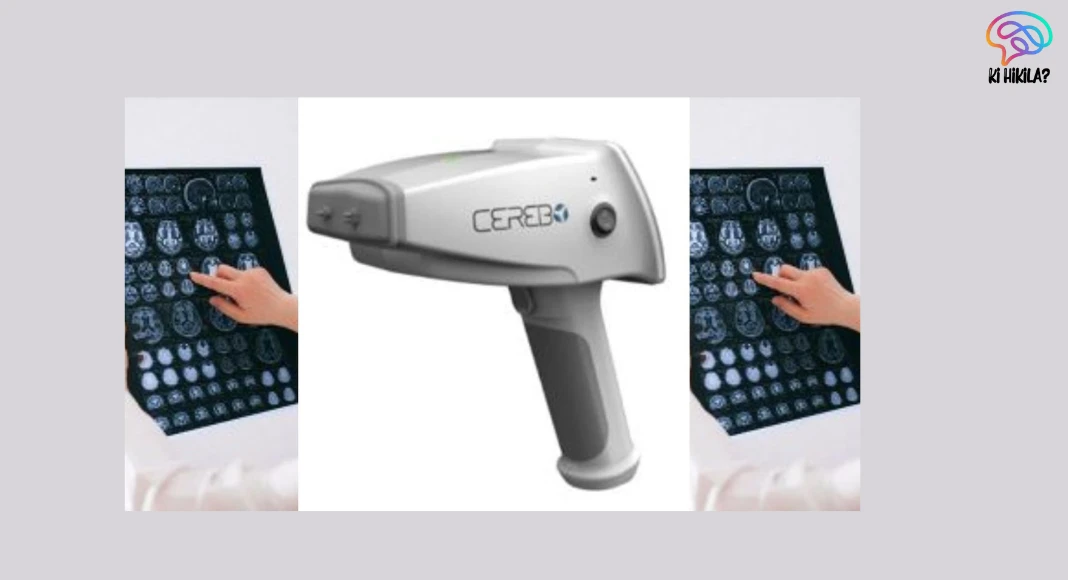
Early and accurate detection of brain injuries is critical to prevent complications such as intracranial bleeding, brain swelling, and permanent neurological deficits. Traditional diagnostic methods, including the Glasgow Coma Scale, are often subjective, while imaging tools like CT scans are expensive and require specialized infrastructure. CEREBO Device India addresses these limitations by providing an accessible, reliable, and rapid diagnostic alternative.
Clinical Validation and Impact
Extensive multi-centre trials conducted at major trauma and neurosurgical centres have demonstrated the diagnostic accuracy and time-saving benefits of CEREBO Device India. Post-market surveillance reports indicate effective adoption by healthcare providers and integration into emergency care protocols.
Health technology assessments recommend its deployment in tertiary care centres to optimise triage, reduce unnecessary imaging, and accelerate the utilisation of CT scans when needed. The device’s ability to provide immediate diagnostic insights contributes to improved patient outcomes, reduced healthcare costs, and more efficient emergency care workflows.
Addressing Challenges in TBI Diagnosis
Mild TBIs frequently go undetected because symptoms are subtle and physical signs may be absent. Monitoring neurological status in the first 24 to 48 hours after injury is crucial to identify patients at risk of complications. Untreated TBIs can lead to cognitive deficits, emotional disorders, physical disabilities, and increased vulnerability to neurodegenerative diseases later in life.
CEREBO Device India provides an affordable and accessible solution to these challenges, bridging the gap in timely care. Its portability ensures that even patients in rural or underserved regions can receive rapid assessment and appropriate interventions without delay.
Future Prospects and Global Adoption
The success of CEREBO Device India positions it for wider adoption in emergency and military healthcare systems worldwide. Its compact size, ease of use, and safety profile make it ideal for deployment in remote populations, disaster zones, and pre-hospital care settings.
Ongoing research and technological refinement may further expand its applications, potentially including continuous monitoring of brain health, early detection of neurodegenerative conditions, and integration with telemedicine platforms. The device represents a significant step toward improving brain injury management globally and demonstrates India’s growing leadership in medical device innovation.
CEREBO Device India exemplifies how technological innovation and collaborative research can address critical healthcare challenges. By providing rapid, safe, and accessible diagnosis of traumatic brain injuries, it has the potential to save lives, reduce long-term disabilities, and optimise healthcare delivery, particularly in regions with limited access to advanced imaging infrastructure.