Maha Shivratri: The Great Night of Shiva

Maha Shivratri is one of the most important and sacred festivals in Hinduism. The name Maha Shivratri means “the Great Night of Lord Shiva.” This holy festival is dedicated to Lord Shiva, one of the principal gods of the Hindu Trinity Brahma, Vishnu, and Mahesh (Shiva). Devotees across India and many parts of the world observe this festival with deep faith, fasting, prayers, and meditation.
Thank you for reading this post, don't forget to subscribe!Maha Shivratri is observed on the fourteenth day of the first half of the month of Phalguna according to the Indian lunar calendar. On this night, the moon starts waning, and darkness spreads across the sky. This darkness is not seen as negative; instead, it symbolizes the removal of ignorance and the journey toward spiritual light. According to the Gregorian calendar, Maha Shivratri usually falls between February and March.
Significance of Maha Shivratri
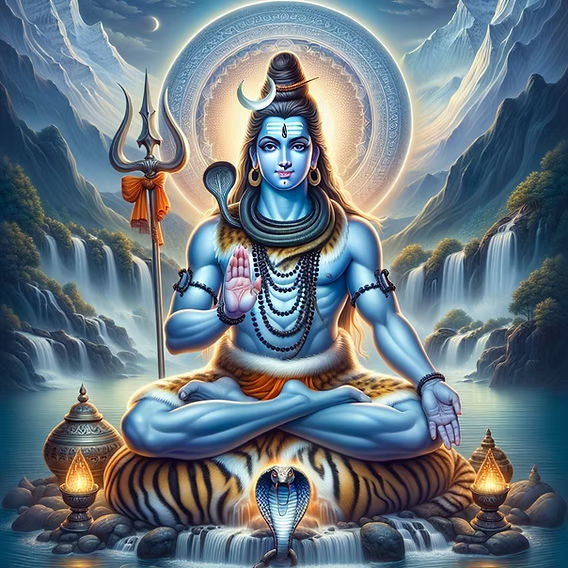
Maha Shivratri is a festival of profound spiritual importance, symbolizing the victory over darkness and ignorance in life and the universe. Unlike most Hindu festivals that are celebrated with grandeur and revelry, Maha Shivaratri is a solemn occasion marked by deep introspection, devotion, and self-discipline. Devotees engage in various spiritual practices, including fasting, meditation, prayer, and chanting of Lord Shiva’s sacred mantras.
The festival is observed across India and in many parts of the world where Hindu communities reside. It is especially significant in the Shaivism tradition of Hinduism, where Shiva is venerated as the Supreme Being. The event is believed to have originated as early as the 5th century BCE, making it one of the oldest religious observances in Hindu culture.
Mythological and Historical Background
Maha Shivratri has several mythological and historical associations, some of which include:
The Marriage of Shiva and Parvati
One of the most popular legends associated with Maha Shivratri is that it marks the divine wedding of Lord Shiva and Goddess Parvati. Devotees believe that Parvati performed intense penance to win Shiva’s heart, and on this auspicious night, the two deities were united in sacred matrimony.
Shiva’s Cosmic Dance: The Tandava
Another belief associated with Maha Shivratri is that it is the night when Lord Shiva performed the cosmic dance of destruction and creation, known as the Tandava. This divine dance signifies the eternal cycle of birth, preservation, and destruction, reinforcing the idea of balance in the universe.
The Churning of the Ocean (Samudra Manthan)
Hindu mythology narrates that during the great churning of the ocean (Samudra Manthan), a deadly poison known as Halahala emerged, threatening to destroy all life. To save the universe, Lord Shiva consumed the poison, holding it in his throat, which turned blue as a result. This act earned him the name Neelkanth (the blue-throated one), and Maha Shivaratri is observed in remembrance of his sacrifice.
Rituals and Observances
Fasting and Meditation
Fasting (vrata) is a central aspect of Maha Shivratri. Devotees abstain from consuming food and water or take only fruits and milk throughout the day. The fast is observed as a means of purifying the body and mind, enhancing one’s focus on spiritual growth.
Night-Long Vigil (Jagarana)
Unlike most Hindu festivals, Maha Shivratri is observed primarily at night. Devotees stay awake through the night, engaging in prayers, meditation, and recitations of sacred texts. This vigil, known as Jagarana, symbolizes overcoming darkness and ignorance through the illumination of wisdom and devotion.
Abhishekam (Holy Bathing of Shiva Lingam)
At Shiva temples, devotees perform special rituals by bathing the Shiva Lingam with water, milk, honey, yogurt, and other sacred offerings. Each of these elements holds symbolic significance:
- Milk – Purity and piety
- Honey – Sweetness and compassion
- Yogurt – Prosperity and strength
- Ghee (clarified butter) – Victory and knowledge
- Bael leaves – Devotion and surrender
Chanting of Mantras and Hymns
Devotees chant sacred hymns and mantras, including the revered Panchakshara mantra, “Om Namah Shivaya,” throughout the night. The Shiva Chalisa, a hymn praising Lord Shiva’s virtues, is also recited with deep devotion.
Pilgrimage to Jyotirlingas
Many devotees embark on pilgrimages to Jyotirlingas, the twelve sacred shrines dedicated to Lord Shiva. Some of the most famous Jyotirlingas include Kashi Vishwanath (Varanasi), Somnath (Gujarat), Kedarnath (Uttarakhand), and Rameshwaram (Tamil Nadu). These sacred sites witness a massive influx of pilgrims during Maha Shivaratri.
Major Maha Shivratri Celebrations in India
Some famous temples where grand celebrations take place include:
- Kashi Vishwanath (Varanasi)
- Somnath (Gujarat)
- Kedarnath (Uttarakhand)
- Neelkanth Mahadev Temple (Uttarakhand)
Thousands of devotees gather to seek Shiva’s blessings.
Maha Shivratri in Assam
Maha Shivratri is celebrated with great devotion in Assam, where Lord Shiva is worshiped in many ancient temples.
1. Umananda Temple
Located on Peacock Island in the Brahmaputra River at Guwahati, Umananda Temple is one of the most sacred Shiva temples in Assam. On Maha Shivratri, thousands of devotees visit the temple to offer prayers and perform rituals.
2. Sivasagar and Shiva Temples
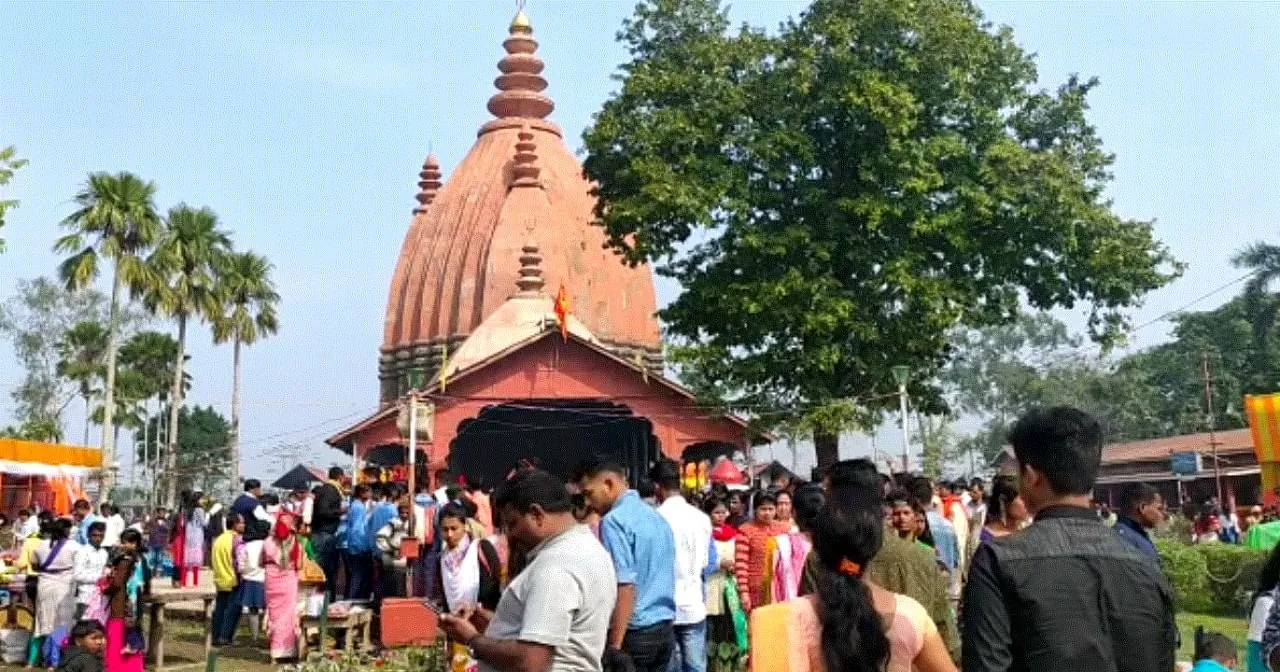
The historic town of Sivasagar, named after Lord Shiva, has many ancient temples like Shivadol. Maha Shivratri is celebrated here with special pujas, bhajans, and fairs.
3. Cultural Harmony
In Assam, Maha Shivratri reflects unity and cultural harmony. People from different communities come together to offer prayers and participate in religious activities.
Symbolism and Spiritual Meaning
Maha Shivratri is not just a festival but a spiritual journey that encourages self-reflection and inner growth. The festival symbolizes:
- Detachment from material desires – By fasting and meditating, devotees focus on their spiritual well-being rather than worldly pleasures.
- Purification of the mind and soul – Chanting and meditation help in attaining inner peace and divine consciousness.
- Unity with Shiva – Recognizing that the divine exists within and around us, inspiring devotees to seek self-realization.
Conclusion
Maha Shivratri is a deeply revered festival that transcends cultural and regional boundaries. It is a night of devotion, meditation, and prayer, inviting devotees to reflect on their spiritual path. Whether observed through fasting, night-long vigils, temple visits, or chanting mantras, the festival serves as a powerful reminder of the presence of Shiva within and around us, guiding us toward enlightenment and liberation.
By participating in the observances of Maha Shivratri, devotees embrace the essence of Shiva the destroyer of ignorance, the harbinger of wisdom, and the ultimate symbol of cosmic balance.
FAQ’s
Q. What is Maha Shivratri and why is it celebrated?
Maha Shivratri is a Hindu festival dedicated to Lord Shiva, celebrated to honor his divine dance (Tandava) and his marriage to Goddess Parvati. It symbolizes the victory of light over darkness and spiritual awakening.
Q. When is Maha Shivratri celebrated?
Maha Shivaratri is observed annually on the 14th day of the dark fortnight (Krishna Paksha) in the Hindu month of Phalguna, typically falling between February and March.
Q. What are the main rituals of Maha Shivratri?
Key rituals include fasting, night-long vigil (jagarana), chanting “Om Namah Shivaya,” performing Abhishekam (ritual bathing of the Shiva Lingam), offering bael leaves, and visiting Shiva temples.
Q. Why do devotees stay awake all night on Maha Shivratri?
The all-night vigil symbolizes overcoming ignorance and darkness with devotion and self-discipline. It is believed that staying awake and meditating on Shiva brings spiritual enlightenment and blessings.
Q. What should be offered to Lord Shiva on Maha Shivratri?
Devotees offer bael leaves, milk, water, honey, curd, ghee, fruits, and sweets to the Shiva Lingam as a form of devotion and purification.