


Bangladesh Post-Hasina Election: Nation Votes in a Historic Political Transition

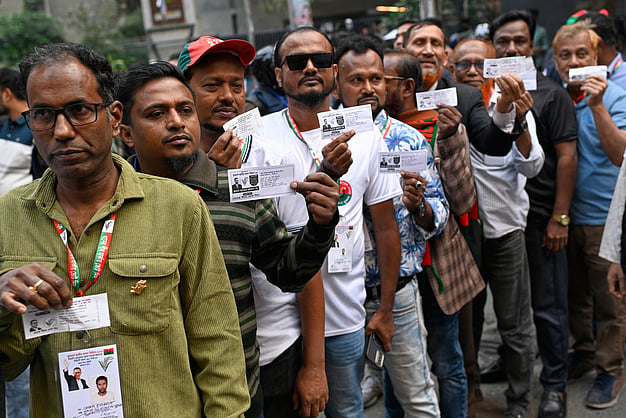
The Bangladesh Post-Hasina Election marks one of the most significant moments in the country’s political history. On Thursday, Bangladesh began voting in its 13th parliamentary elections, the first national polls since the removal of former prime minister Sheikh Hasina in August 2024. Her exit followed months of massive nationwide protests that reshaped the political landscape and led to the formation of an interim administration.
These elections are widely seen as a test of Bangladesh’s democratic revival and institutional reform under the leadership of Chief Adviser Muhammad Yunus, who now heads the transitional government.

Voting Begins Under Global Attention
Polling started at 7:30 am local time across 299 of the 300 constituencies and is scheduled to continue until 4:30 pm. Voting in one constituency was cancelled due to the death of a candidate, an unexpected development that slightly altered the overall process. Vote counting is expected to begin soon after polling ends, with early trends likely to emerge by late evening.
The Bangladesh Post-Hasina Election has attracted strong international attention, as observers see it as a turning point after years of political tension. For many citizens, this election represents a rare chance to reset the democratic process and express their hopes for stability, transparency, and accountable governance.
A Parallel Referendum on Major Reforms
Alongside the parliamentary election, voters are also taking part in a national referendum on an ambitious 84-point reform plan. This reform package focuses on restructuring governance, strengthening democratic institutions, improving accountability, and restoring public trust in the state machinery.
Election authorities have described this dual exercise as one of the most complex in Bangladesh’s electoral history. With nearly 127 million eligible voters, managing both the election and the referendum on the same day has required extensive planning and coordination. First-time voters make up around 3.58 per cent of the electorate, adding fresh voices to this historic process.
Expatriate Bangladeshis Cast Their Votes
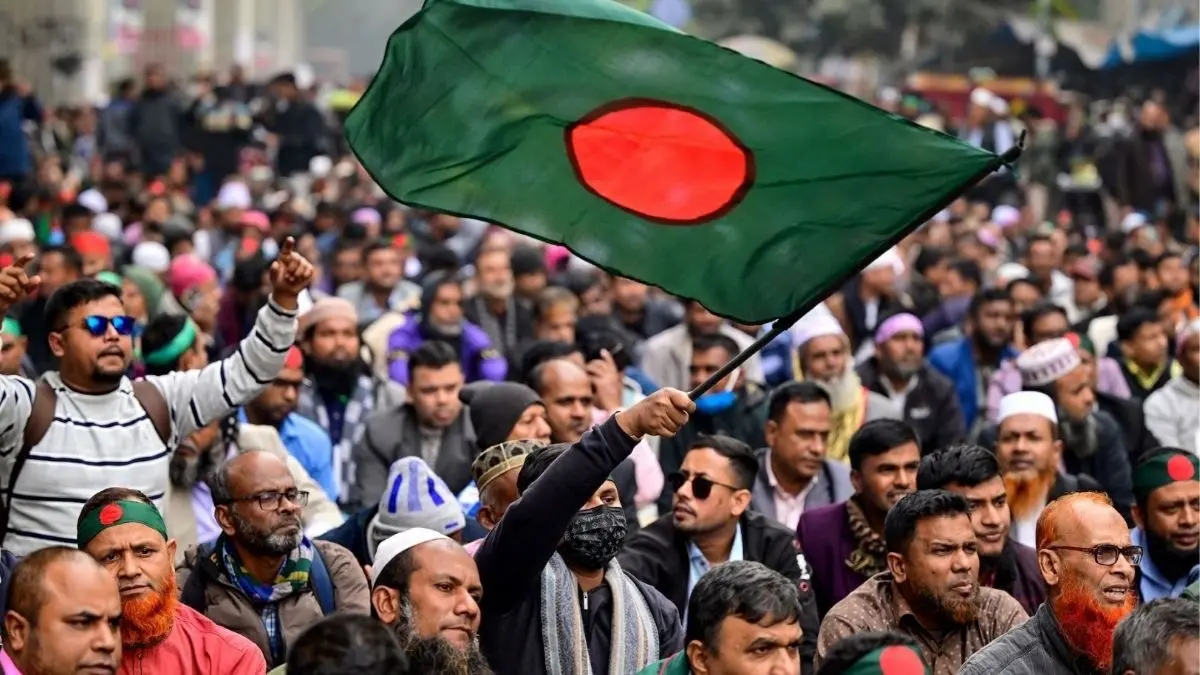
A major highlight of the Bangladesh Post-Hasina Election is the participation of expatriate Bangladeshis. For the first time, nearly 800,000 overseas voters registered with the Election Commission are voting through an IT-based postal ballot system.
This step has been welcomed as a long-awaited reform that gives migrant workers and overseas professionals a direct say in national politics. Many expatriates see this as recognition of their economic and social contributions to the country, especially through remittances.
Key Political Players in the Contest
The political contest is primarily between the Bangladesh Nationalist Party and its former ally Jamaat-e-Islami. The Awami League, once led by Sheikh Hasina, has been disbanded by the interim government and barred from contesting the polls.
In total, 1,755 candidates from 50 political parties and 273 independent candidates are competing for seats in parliament. Among them are 83 women candidates, reflecting a modest but notable presence of female representation. The BNP has fielded 291 candidates, the highest number among all parties, signaling its strong push to reclaim political dominance.
Call for Calm and Democratic Conduct
Chief Adviser Muhammad Yunus has repeatedly urged voters and political parties to show restraint and respect democratic values. He described polling day as a moment of renewal and responsibility for the nation, emphasizing that peaceful participation is essential for restoring confidence in Bangladesh’s political system.
His message has resonated with many citizens who have grown weary of political unrest and are eager for a stable and inclusive future. Civil society groups have also appealed to political actors to avoid violence and misinformation during the voting process.
Massive Security Arrangements Across the Country
Security has been a major focus during the Bangladesh Post-Hasina Election. The Election Commission deployed between 900,000 and one million security personnel, marking the largest security mobilisation in the country’s electoral history.
Armoured Personnel Carriers and Rapid Action Teams have been positioned in sensitive areas, especially in Dhaka. Out of 2,131 polling centres in the capital, more than 1,600 were identified as risk-prone, leading to enhanced surveillance and rapid response measures.
Authorities stated that these steps were necessary to ensure voter safety and prevent disruptions, given the tense political environment following last year’s protests.
Reports of Tension and Allegations
Despite tight security, there have been reports of overnight clashes and allegations of ballot irregularities in parts of Sylhet, Joypurhat, and Dhaka. Several individuals were arrested on charges related to misconduct and attempts to disrupt the polling process.
Political leaders from different parties have dismissed rumours and urged their supporters to remain calm. Election officials have assured the public that complaints are being investigated promptly and that transparency remains a priority.
International Monitoring and Public Expectations
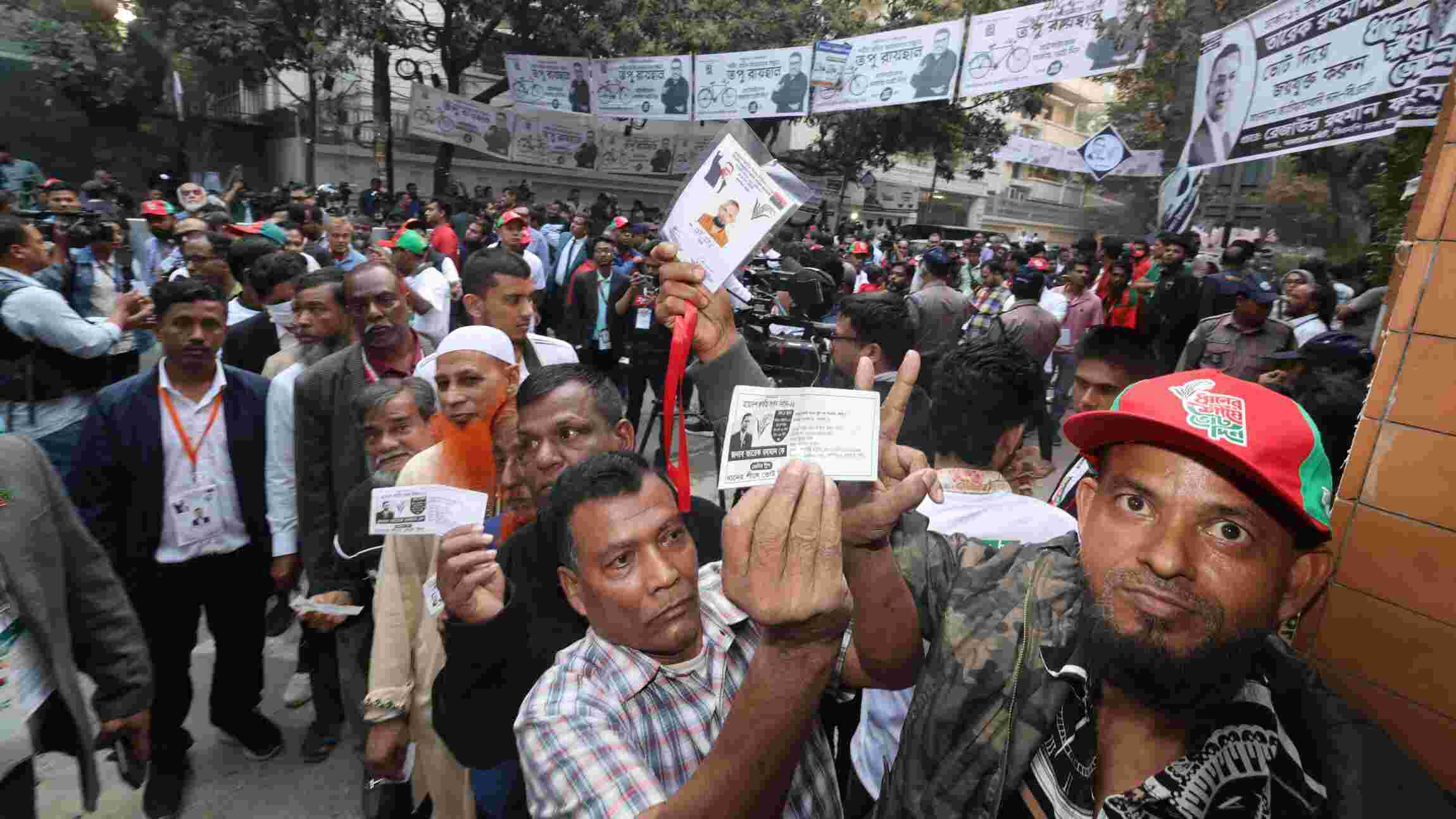
Observers from 45 countries and several international organisations are monitoring the election. Their presence is intended to strengthen credibility and reassure voters that the process is being closely watched.
For ordinary citizens, the Bangladesh Post-Hasina Election is about more than just choosing representatives. It reflects hopes for democratic reform, institutional strength, and a political culture that listens to the people. As ballots are cast and counted, Bangladesh stands at a crossroads, with the outcome likely to shape its political direction for years to come.