



Aizawl Biodiversity Repository Gets National Status

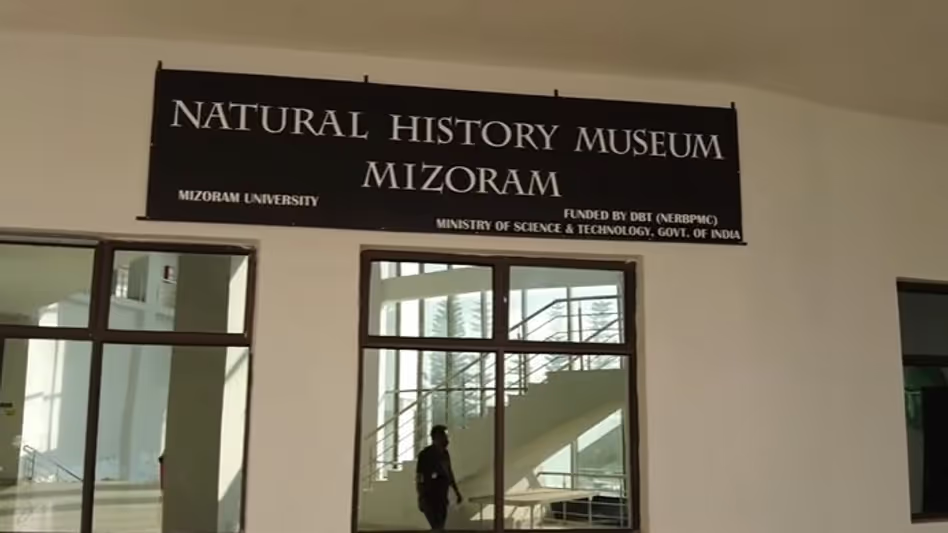
Aizawl Biodiversity Repository has received a major boost as the Natural History Museum at Mizoram University has been officially recognised as a national repository for biological material. This important step highlights the growing focus on biodiversity conservation and scientific research in India, especially in the North-Eastern region.
Thank you for reading this post, don't forget to subscribe!The recognition was announced in July 2026 after recommendations from national authorities. With this, the museum has become one of the key centres in the country for preserving and studying biological resources.
What is a Biodiversity Repository
The Aizawl Biodiversity Repository will act as a secure place for storing biological materials. These include plants, animals, and other natural samples collected for research and documentation.
Repositories play a key role in science by maintaining voucher specimens. These are preserved samples used as references for identification and verification. Researchers depend on these specimens to study species and confirm findings.
Such facilities also help in maintaining proper records of biological resources, especially those used in research or commercial activities.

Role of the Natural History Museum
The Natural History Museum at Mizoram University will now take on greater responsibilities under the Aizawl Biodiversity Repository system. It will collect, preserve, and manage specimens from the region.
The museum will focus on both plant and animal species. Plant collections include groups like ferns and fungi, while animal collections cover reptiles, amphibians, fish, insects, and butterflies.
It will also store type specimens, which are important for identifying and naming newly discovered species. This makes the museum an important centre for scientific discovery.
Rich Biodiversity of Mizoram
The Aizawl Biodiversity Repository is located in a region known for its rich natural diversity. Mizoram is part of the Indo-Burma biodiversity hotspot, one of the most important ecological regions in the world.
The area is home to thousands of plant and animal species, many of which are unique to the region. This makes it an ideal location for a repository that focuses on conservation and research.
The North-East of India has long been recognised for its natural wealth, and this new development further highlights its importance.
Support for Research and Innovation
The Aizawl Biodiversity Repository is expected to support researchers, scientists, and students working in fields like biology, environmental science, and conservation.
Having access to well-preserved specimens allows researchers to study species more effectively. It also helps in identifying new species and understanding ecosystems better.
In recent years, there has been growing interest in biodiversity research due to climate change and environmental concerns. Facilities like this play a key role in supporting such efforts.
Link to Conservation Efforts
The recognition of the Aizawl Biodiversity Repository also supports broader conservation goals. Protecting biodiversity is becoming increasingly important as natural habitats face pressure from development and climate change.
By preserving specimens and maintaining records, repositories help in tracking changes in ecosystems. This information can be used to develop better conservation strategies.
Such efforts are essential for maintaining ecological balance and protecting natural resources for future generations.
Importance of Legal and Institutional Framework
The Aizawl Biodiversity Repository operates under national laws related to biodiversity conservation. These laws provide guidelines for how biological materials should be collected, stored, and used.
Institutions like the National Biodiversity Authority play a role in ensuring that these rules are followed. This helps maintain transparency and accountability in research and conservation activities.
Strong legal support ensures that biodiversity is protected while also allowing responsible use for research and development.
Growing Focus on Northeast India
The establishment of the Aizawl Biodiversity Repository also reflects a growing focus on the North-Eastern region of India. The region is gaining attention for its ecological importance and research potential.
Investments in infrastructure, education, and research facilities are helping unlock new opportunities. This is part of a broader effort to promote sustainable development in the region.
Such initiatives not only support science but also create awareness about the value of natural resources.
Aizawl Biodiversity Repository and Modern Challenges
In today’s world, biodiversity faces many challenges, including climate change, pollution, and habitat loss. The Aizawl Biodiversity Repository is an important step in addressing these issues.
By preserving specimens and supporting research, it helps scientists understand how ecosystems are changing. This knowledge is essential for finding solutions to environmental problems.
The repository also helps connect local knowledge with global research efforts, creating a more comprehensive approach to conservation.

Aizawl Biodiversity Repository in Today’s Context
The Aizawl Biodiversity Repository represents a blend of science, conservation, and regional development. It highlights how local institutions can play a global role in protecting biodiversity.
As awareness about environmental issues continues to grow, such initiatives are becoming more important. They support research, education, and conservation while also bringing attention to regions rich in natural resources.
This development shows how India is strengthening its efforts to preserve biodiversity while promoting scientific progress.