



UNESCO World Heritage 2026: Mount Olympus & D-Day Beaches

UNESCO World Heritage 2026 made global headlines after Mount Olympus in Greece and the D-Day Landing Beaches in Normandy, France, were officially added to the UNESCO World Heritage List on 26 July 2026. The announcement was made during the 48th session of the UNESCO World Heritage Committee held in Busan, South Korea. The newly recognised sites highlight the importance of protecting both natural landscapes and places that have shaped world history. Along with these two famous locations, UNESCO also added several other cultural and natural sites from different parts of the world.
Thank you for reading this post, don't forget to subscribe!UNESCO Recognises Two Historic Landmarks
Every year, UNESCO reviews nominations from countries seeking international recognition for places with outstanding cultural, historical, or natural importance.
During the 2026 meeting, Mount Olympus and the D-Day Landing Beaches were among the most notable additions to the World Heritage List.
The recognition not only honours their historical and environmental significance but also strengthens global efforts to preserve these sites for future generations. World Heritage status also encourages sustainable tourism, scientific research, and long-term conservation.
Mount Olympus Receives Mixed Heritage Status
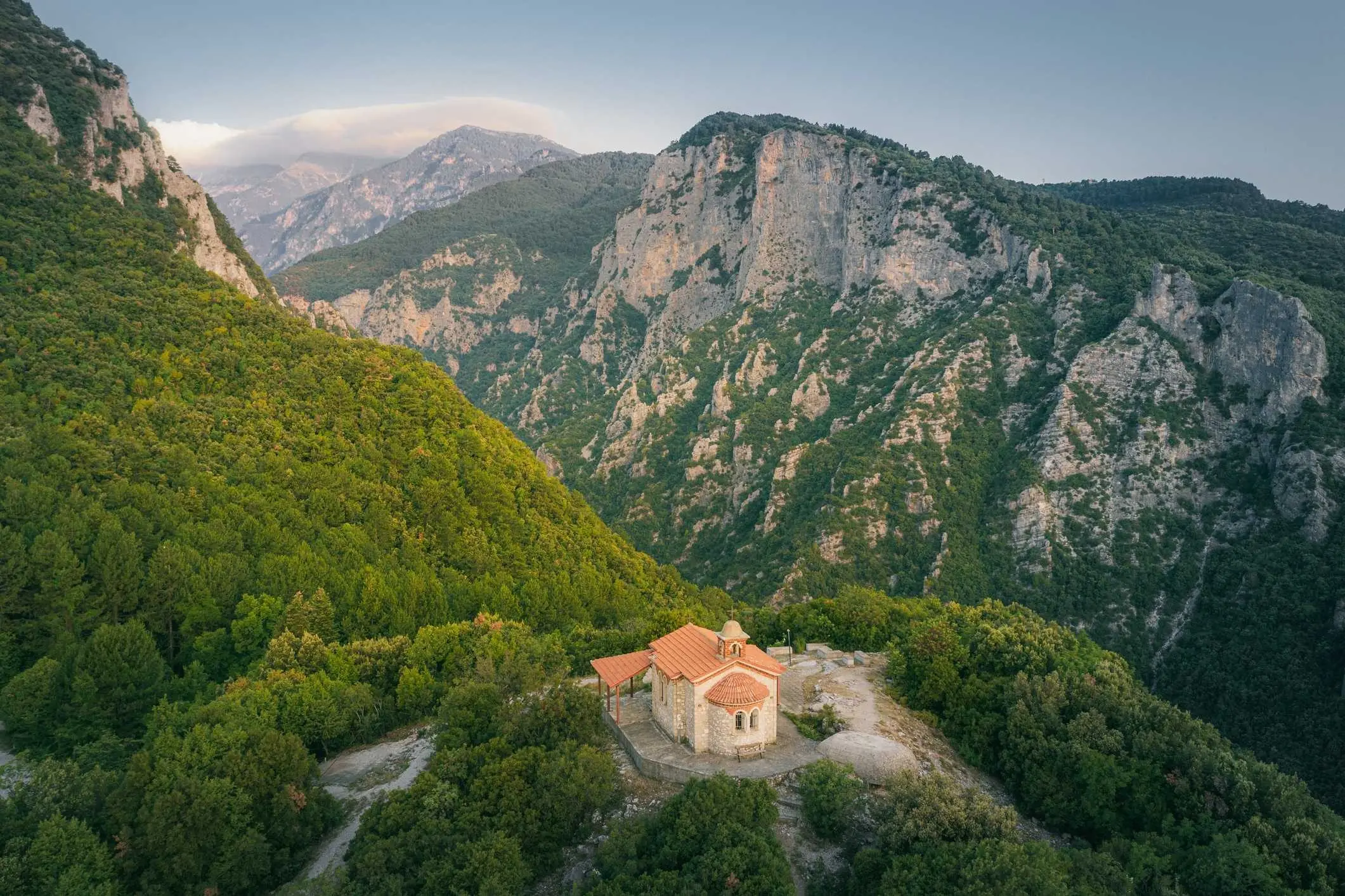
One of the biggest highlights of the 2026 UNESCO session was the inclusion of Mount Olympus, the highest mountain in Greece.
Standing at 2,918 metres, Mount Olympus has long been recognised as one of Europe’s most famous mountains. UNESCO classified it as a Mixed World Heritage Site, a category reserved for places that have both exceptional cultural importance and outstanding natural value.
This special classification is given to only a limited number of sites around the world because they meet strict standards in both categories.
Mount Olympus combines remarkable natural beauty with thousands of years of cultural history, making it one of the most unique heritage sites in the world.
A Mountain of Mythology and Nature
Mount Olympus holds a special place in ancient Greek mythology.
According to Greek legends, it was believed to be the home of the Olympian gods, including Zeus, who was regarded as the king of the gods. These stories have influenced literature, art, philosophy, and culture for centuries and continue to be recognised worldwide.
Apart from its mythological importance, the mountain is also known for its rich biodiversity.
Its forests, alpine meadows, and rocky landscapes provide habitats for numerous plant and animal species, many of which are found only in the region. This combination of mythology, ecology, and historical significance played an important role in UNESCO’s decision.
D-Day Landing Beaches Gain Global Recognition
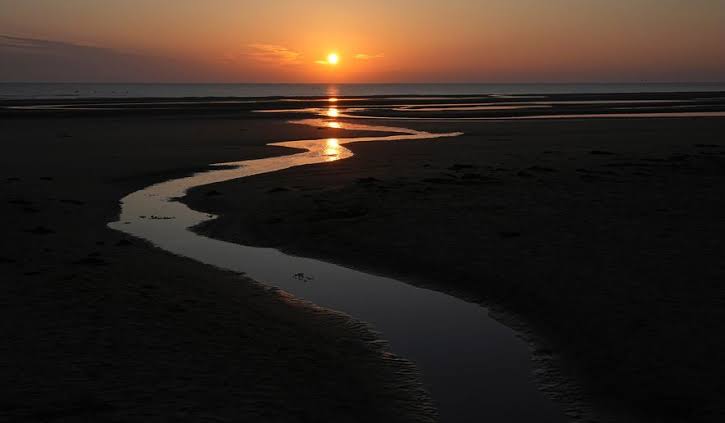
Another major addition to the UNESCO World Heritage List is the D-Day Landing Beaches in Normandy, northern France.
These beaches became internationally known because they were the main landing points for Allied forces during the D-Day invasion on 6 June 1944, one of the most significant military operations of the Second World War.
The recognised heritage area includes:
- Omaha Beach
- Utah Beach
- Gold Beach
- Juno Beach
- Sword Beach
- Pointe du Hoc
These locations continue to serve as places of remembrance for the thousands of soldiers who participated in the historic operation.
Why the D-Day Beaches Matter
The D-Day landings marked the beginning of the Allied campaign to liberate Western Europe from Nazi occupation during World War II.
Thousands of soldiers from several Allied nations landed on the Normandy coast under extremely difficult conditions. Their efforts played a major role in changing the course of the war.
UNESCO described the D-Day beaches as an exceptional cultural landscape, recognising both the historical events that took place there and the ongoing efforts to remember those who sacrificed their lives.
Today, the beaches, memorials, museums, and cemeteries attract millions of visitors each year who come to learn about one of the defining moments of modern history.
What Is the UNESCO World Heritage List?
The UNESCO World Heritage List includes sites that have Outstanding Universal Value to humanity.
The programme operates under the World Heritage Convention, adopted in 1972.
Heritage sites are grouped into three categories:
- Cultural Heritage Sites – recognised for historical, artistic, or archaeological importance.
- Natural Heritage Sites – recognised for exceptional natural beauty or ecological significance.
- Mixed Heritage Sites – recognised for both cultural and natural value.
Countries submit nominations, which are carefully reviewed before any site is added to the list.
The Role of the World Heritage Committee
The UNESCO World Heritage Committee is responsible for examining nominations and making final decisions on new World Heritage Sites.
The committee meets every year to review recommendations prepared by international heritage experts.
The 48th session, held in Busan, South Korea, evaluated nominations from countries around the world before approving several new additions to the list.
The committee also monitors existing World Heritage Sites to ensure they continue to be protected and preserved according to international standards.
ICOMOS Calls for Stronger Protection
The International Council on Monuments and Sites (ICOMOS) is one of UNESCO’s advisory organisations responsible for evaluating cultural heritage nominations.
During the assessment of the D-Day Landing Beaches, ICOMOS recommended continued monitoring and stronger conservation efforts.
The organisation highlighted several long-term challenges affecting the area, including:
- Increasing tourism
- Climate change
- Rising sea levels
- Coastal erosion
- Wind farm development near heritage landscapes
Protecting these historic locations requires careful planning so that future generations can continue learning about their historical importance while preserving the surrounding environment.
Other Heritage Sites Added in 2026
Along with Mount Olympus and the D-Day Landing Beaches, UNESCO approved several other important heritage sites during the same session.
Some of the newly recognised sites include:
- Ancient capitals of Asuka and Fujiwara in Japan
- Boma-Badingilo Migratory Landscape in South Sudan
- Historic theatres in Italy
These additions reflect UNESCO’s ongoing efforts to recognise diverse cultural traditions, historical landmarks, archaeological sites, and natural ecosystems from different regions of the world.

Preserving Heritage for Future Generations
The addition of Mount Olympus and the D-Day Landing Beaches to the UNESCO World Heritage List highlights the importance of protecting places that represent both human history and the natural world. While Mount Olympus symbolises ancient mythology, biodiversity, and Greek civilisation, the Normandy beaches stand as lasting reminders of one of the most significant events of the Second World War. Their recognition under UNESCO World Heritage 2026 reinforces the global commitment to preserving cultural and natural treasures so that future generations can continue to learn from, appreciate, and protect these remarkable sites.