CSIR-CIMFR Hydrogen Safety Test Marks a Major Step for India’s Clean Energy Future

CSIR-CIMFR Hydrogen Safety Test has placed India on a stronger footing in its journey towards safe and reliable hydrogen energy. In an important development for the country’s clean energy ambitions, India has successfully completed its first comprehensive safety assessment of a hydrogen compressor–dispenser system. The assessment was carried out by the Dhanbad-based CSIR–Central Institute of Mining and Fuel Research (CSIR-CIMFR), showcasing India’s growing technical readiness to scale up hydrogen infrastructure under the National Hydrogen Mission.
Thank you for reading this post, don't forget to subscribe!This milestone is not just about technology testing. It is about building trust, safety, and confidence in hydrogen as a fuel of the future. As India prepares to adopt hydrogen across transport and industry, ensuring safety in handling and dispensing this highly flammable gas becomes absolutely critical.
A First-of-Its-Kind Safety Assessment in India
The CSIR-CIMFR Hydrogen Safety Test involved a full system-level evaluation of an integrated hydrogen compressor and dispenser unit. This is the first time in India that such a complete safety assessment has been carried out on a working hydrogen refuelling system.
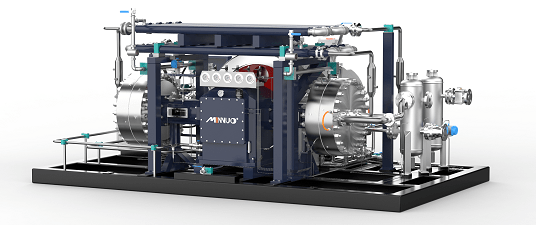
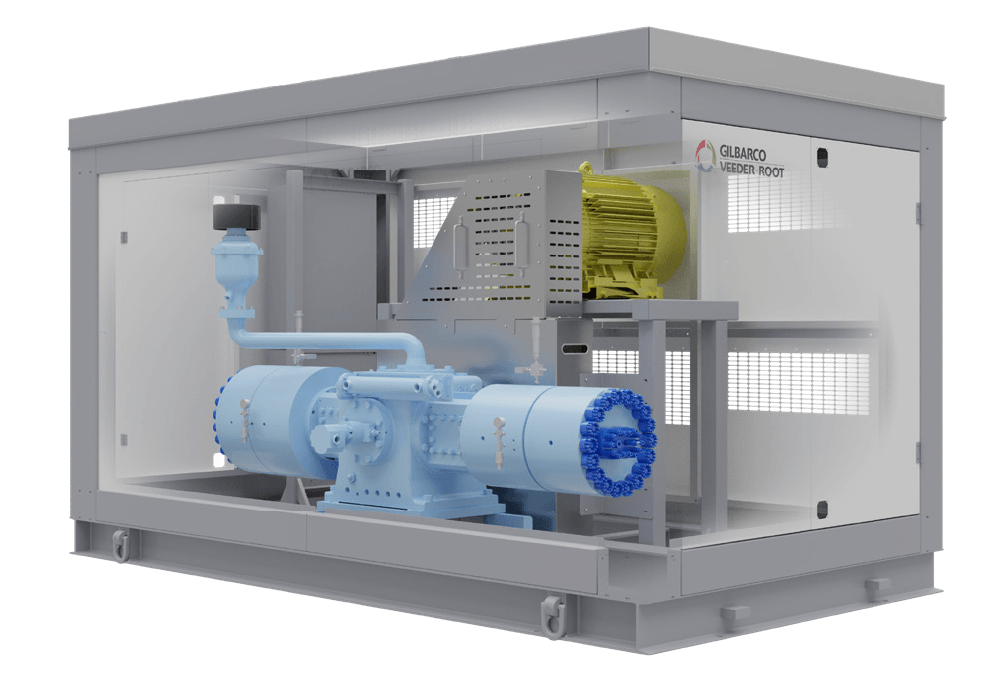
Hydrogen compressor–dispenser systems are used to compress hydrogen gas to very high pressures and then dispense it safely into vehicles or storage systems. Because hydrogen is highly flammable and can ignite easily, these systems operate under extremely sensitive conditions. The assessed system falls under Gas Group IIC, which represents environments with the highest explosion risks in industrial safety standards.
Until now, safety certifications in India largely focused on individual components of hydrogen systems. What made this exercise unique was that CSIR-CIMFR evaluated the entire system as one integrated unit, reflecting real-life operating conditions.
Strategic Location at NTPC’s NETRA Campus
The hydrogen compressor–dispenser facility is installed at the NETRA (National Energy Technology Research Alliance) campus of NTPC Ltd in Greater Noida, Uttar Pradesh. NTPC, India’s largest power utility, has been actively investing in clean and green energy technologies, including hydrogen.
Placing the system at the NETRA campus allows researchers and engineers to test hydrogen technologies in a controlled but realistic environment. According to officials, the facility is scheduled to be inaugurated by Prime Minister Narendra Modi on January 26, underlining the national importance of the project.
This installation represents a practical step towards creating hydrogen refuelling infrastructure that can support fuel cell vehicles and other hydrogen-based applications across the country.
Detailed and Rigorous Testing Process
Scientists from the Flameproof and Equipment Safety Division of CSIR-CIMFR led the safety assessment. Their work involved a thorough inspection of every critical element of the system.
The team examined flameproof enclosures, electrical systems, mechanical parts, pressure relief mechanisms, safety interlocks, alarms, sensors, and instrumentation. Each of these components plays a vital role in preventing accidents and ensuring safe operation under high-pressure hydrogen conditions.
While the individual components of the system already had certifications from relevant authorities, there had been no prior evaluation of how all these parts function together as a single system. The CSIR-CIMFR Hydrogen Safety Test filled this important gap by checking the interaction between components, identifying potential risks, and verifying system-wide safety performance.
The system assessed was manufactured by an Italy-based company and installed at NTPC’s facility, reflecting international collaboration in India’s hydrogen journey.
Testing Under Real Operating Conditions
One of the most important aspects of the assessment was that it was conducted under actual operating conditions. The equipment was tested at its installed location, without dismantling or relocating it to a laboratory.
This approach ensured that the safety evaluation reflected real-world scenarios, including environmental factors, operational pressures, and system behaviour during normal use. Such realistic testing provides much higher confidence in the reliability and safety of hydrogen infrastructure.
Officials noted that this method also saves time and cost while offering more meaningful safety validation for future deployments.
Strengthening India’s Hydrogen Ecosystem
The successful completion of the CSIR-CIMFR Hydrogen Safety Test is expected to have wide-ranging impacts on India’s clean energy plans. Safe hydrogen compression and dispensing technologies are essential for the rollout of hydrogen-powered vehicles, buses, and trucks.
As refuelling stations expand across cities and highways, safety-certified systems will help build public trust and encourage adoption. This is especially important in the early stages of hydrogen use, when awareness and confidence are still developing.
The assessment also sets a benchmark for future hydrogen projects in India. Developers, manufacturers, and operators can now follow a clear and tested safety framework for integrated hydrogen systems.
Supporting the National Hydrogen Mission
India’s National Hydrogen Mission aims to make the country a global hub for green hydrogen production, usage, and export. Safety is a core pillar of this mission, as hydrogen must be handled carefully across its entire value chain.
By conducting this comprehensive safety assessment, CSIR-CIMFR has demonstrated India’s capability to develop and enforce high safety standards comparable to global best practices. This will help attract investment, promote innovation, and accelerate deployment of hydrogen technologies.
Over time, the availability of safe hydrogen refuelling infrastructure can reduce dependence on fossil fuels, cut carbon emissions, and support cleaner transport and industrial processes.
A Step Towards a Cleaner Energy Future
The CSIR-CIMFR Hydrogen Safety Test represents more than a technical achievement. It reflects India’s commitment to adopting clean energy responsibly and safely. As hydrogen moves from pilot projects to widespread use, such safety milestones will play a key role in shaping the country’s energy transition.
With institutions like CSIR-CIMFR, public sector leaders like NTPC, and strong policy support from the government, India is steadily building the foundation for a hydrogen-powered future that is not only green, but also secure and reliable.