WHO Mental Health Report Highlights Rising Global Crisis

WHO Mental Health Report reveals alarming insights into the growing global mental health crisis. The World Health Organization (WHO) released new findings in 2024 that show a sharp increase in mental health disorders worldwide. Suicide continues to be one of the leading causes of death, and mental health challenges are rising faster than global population growth. The latest documents, World Mental Health Today and Mental Health Atlas 2024, provide updated data and analysis in the post-pandemic era, offering a sobering view of the world’s mental well-being.
Thank you for reading this post, don't forget to subscribe!Rising Suicide Statistics and Global Trends
According to the WHO Mental Health Report, nearly 727,000 people lost their lives to suicide in 2021. For every death by suicide, there are about twenty attempts, highlighting the widespread and urgent nature of the crisis. Suicide remains one of the leading causes of death among young people across all nations, regardless of income level.
The United Nations Sustainable Development Goals had set a target to reduce global suicide rates by one-third by the year 2030. However, WHO data shows that this goal is far from being met. Current projections suggest that suicide rates will only decline by about 12 per cent by 2030. This slow progress underscores the need for stronger prevention strategies, early intervention, and greater mental health awareness.
Increasing Prevalence of Mental Health Disorders
The WHO Mental Health Report estimates that over one billion people across the globe currently live with some form of mental health disorder. Anxiety and depressive disorders together account for more than two-thirds of these cases. The period between 2011 and 2021 saw the age-standardised prevalence of mental disorders rise to 13.6 per cent, marking an increase of nearly one percentage point in just a decade.
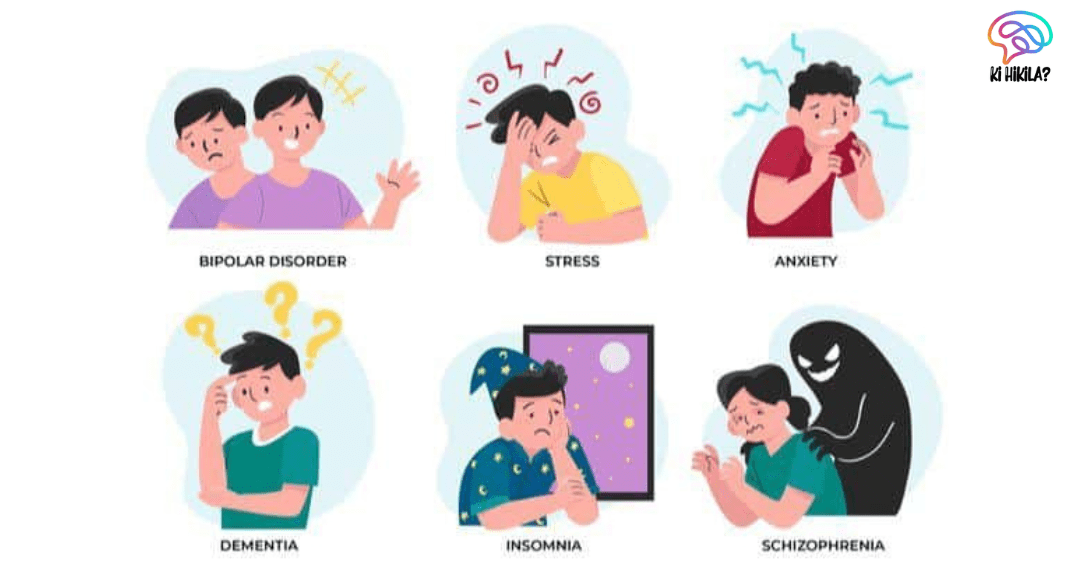
Young adults aged 20 to 29 years show the most significant rise in mental health issues, reflecting the growing social, economic, and digital pressures faced by this demographic. Gender differences are also notable. Men are more likely to experience conditions such as attention deficit hyperactivity disorder (ADHD), autism spectrum disorders, and intellectual disabilities, while women are more prone to anxiety, depression, and eating disorders.
Age and Gender Patterns in Mental Health
The WHO Mental Health Report provides detailed insights into how age and gender influence mental health trends. Anxiety disorders often begin very early in life, sometimes before the age of ten. These early symptoms, if left untreated, can evolve into more serious mental health issues later in adulthood.
Depressive disorders, on the other hand, tend to appear more frequently after the age of forty, with the highest rates observed between the ages of fifty and sixty-nine. The report notes clear gender-based patterns: while men often face externalising disorders such as hyperactivity or substance use, women are more vulnerable to internalising conditions such as depression and anxiety. This distinction calls for tailored mental health strategies that address the specific needs of different groups within society.
Challenges in Delivering Mental Health Care
The WHO Mental Health Report also draws attention to the shortcomings in mental health care infrastructure around the world. Many countries, including India, continue to face severe challenges in providing accessible and effective mental health services. The number of psychiatric beds remains far below the required level, particularly outside major cities and specialised institutions.
Mental health care models in several regions are still largely custodial, focusing on containment rather than recovery or rehabilitation. This approach often leads to poor patient outcomes and perpetuates stigma. Furthermore, psychiatric hospitals in low and middle-income countries frequently face funding shortages and inadequate facilities. The stigma surrounding mental illness continues to discourage individuals from seeking help, further worsening the crisis.
Shortage of Trained Professionals
A major concern outlined in the WHO Mental Health Report is the global shortage of qualified mental health professionals. The number of psychiatrists, clinical psychologists, psychiatric nurses, and social workers remains insufficient to meet rising demand. Rural and remote areas are especially affected, leaving millions without access to any form of mental health support.
This lack of trained personnel directly impacts early diagnosis and effective treatment. As a result, many individuals with mental illnesses remain undiagnosed or receive inadequate care, leading to long-term disability and social exclusion.
Barriers to Access and Continuity of Care
Access to quality mental health care remains a significant challenge worldwide. Economic and geographic barriers often prevent patients and their families from seeking help. Even when treatment is available, the cost of medicines, therapy, and transportation can be prohibitive. Continuity of care is another major issue, with frequent disruptions in medication supply and limited follow-up services.

For individuals suffering from severe mental illnesses, the WHO Mental Health Report notes that the consequences can extend beyond health, leading to job loss, poverty, and social isolation. Many families face financial hardship when a member is unable to work due to mental illness, creating a cycle of dependency and distress.
Pathways for Improvement and Global Recommendations
Experts cited in the WHO Mental Health Report stress that addressing the global mental health crisis requires immediate action, increased funding, and political will. Governments are urged to prioritise mental health as an integral part of public health systems. Strengthening leadership, expanding community-based mental health programmes, and integrating psychiatric care into general hospitals are critical steps.
Training multidisciplinary teams that include psychologists, nurses, and social workers can improve service delivery and reduce the burden on psychiatrists. The report also emphasises the need to reduce stigma through awareness campaigns and education, enabling people to seek help without fear or shame.
Building a seamless and continuous chain of mental health care—from early detection and primary treatment to long-term rehabilitation—is essential for improving global outcomes. With proper investment, collaboration, and awareness, the growing mental health burden can be managed more effectively, helping millions lead healthier, more fulfilling lives.