




When we talk about kindness and compassion, we often think about people. But animals, too, deserve care, love, and dignity. The idea of Animal Welfare is not just about pets; it includes stray animals, farm animals, wildlife, and endangered species. Animals are part of our world, and their well-being is directly linked to our health and environment. By respecting and protecting them, we create a balanced and compassionate planet.
What is Animal Welfare?
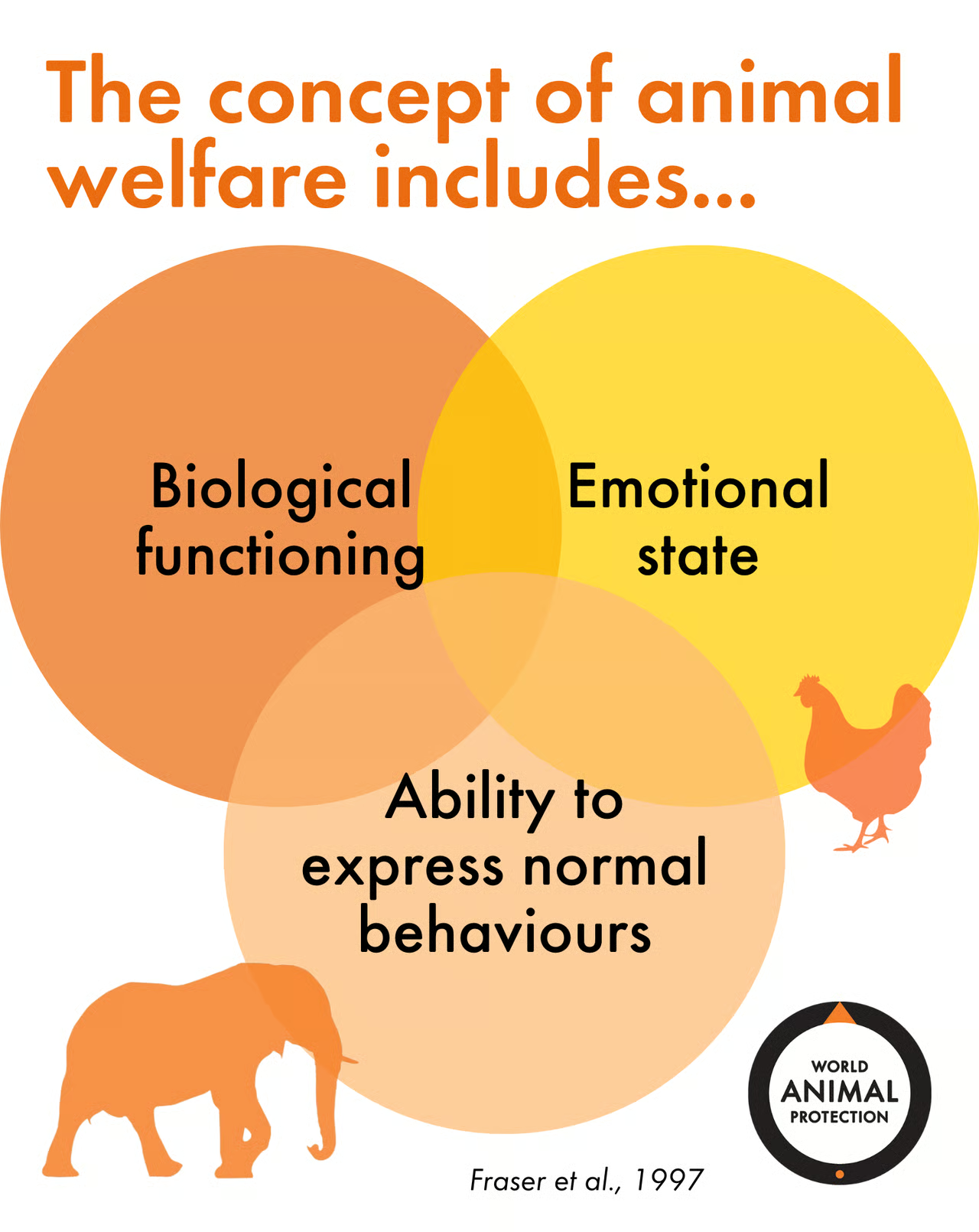
Animal welfare means ensuring that animals live free from cruelty, suffering, and neglect. It is about giving them food, shelter, medical care, and safe living conditions. True welfare is not just about survival; it is about letting animals live with respect and dignity.

Global awareness movements, such as World Animal Day, remind us that animals are living beings, not resources to be used without care. This is why AnimalWelfare is becoming an important part of modern society.
Why Animal Welfare is Important in Daily Life
Here are some powerful reasons to value animal welfare in our everyday lives:
1. Emotional and Mental Support
- Pets help reduce loneliness and stress.
- Therapy animals support people with anxiety, depression, and disabilities.
- Showing kindness to animals makes us more compassionate humans.
2. Protecting the Environment
- Bees pollinate crops, birds control pests, and predators maintain balance.
- Supporting Animal Welfare also means protecting biodiversity.
- A healthy animal population keeps ecosystems strong and stable.
3. Safer Agriculture and Food Systems
- Farm animals treated with care lead to healthier food production.
- Cruel, overcrowded farms spread diseases that can harm humans, too.
- Welfare-based farming supports both animals and people.
4. Teaching Responsibility
- Teaching children about animal welfare develops empathy.
- Families that adopt pets instead of buying them set a positive example.
- Daily acts of care encourage responsibility toward all living beings.
5. Connection to Human Health
- Poor treatment of animals can lead to zoonotic diseases (bird flu, swine flu).
- Clean, humane conditions reduce the risks of infections.
- Animal care is directly tied to safer communities.
Everyday Ways to Practice Animal Welfare
We don’t need to do big things: small actions make a big difference. Here’s how you can practice AnimalWelfare daily:
- Adopt, don’t shop: Give shelter animals a loving home.
- Help strays: Offer food, clean water, or blankets during extreme weather.
- Support shelters: Donate money, food, or volunteer your time.
- Choose cruelty-free products: Support brands that don’t test on animals.
- Reduce plastic: Protect marine life by cutting down plastic waste.
- Raise your voice: Report animal abuse in your area.
- Spread awareness: Share posts and encourage others to care for animals.
Examples of Animal Welfare in Action
- Feeding birds in your backyard or balcony.
- Place a bowl of water outside during hot days.
- Avoiding loud fireworks that scare and injure animals.
- Supporting eco-friendly farming that respects animals.
These simple steps create ripples of kindness that improve the lives of countless animals.
Frequently Asked Questions (FAQ)
Q1: What does AnimalWelfare mean?
Animal welfare means caring for animals and ensuring they are free from cruelty, pain, or neglect.
Q2: Why is animal welfare important?
It protects animals, improves human health, supports nature, and builds compassion in society.
Q3: How can students support AnimalWelfare?
By volunteering at shelters, spreading awareness, and being kind to strays in their area.
Q4: Is AnimalWelfare linked to the environment?
Yes. Protecting animals also protects biodiversity, ecosystems, and overall environmental health.
Conclusion: Living with Animal Welfare Values
The role of animal welfare in our daily lives is huge. It affects not just the animals but also our environment, food systems, and health. By practicing small acts of kindness, like adopting pets, supporting shelters, or reducing plastic, we can change the lives of animals and build a healthier planet.
Real humanity is reflected in how we treat those who cannot speak for themselves. When we respect animals, we also respect nature and future generations. Supporting AnimalWelfare daily is not just about helping animals; it is about creating a kinder, safer, and more balanced world for all.