


Nandan Nilekani Leads Exam Reform Task Force

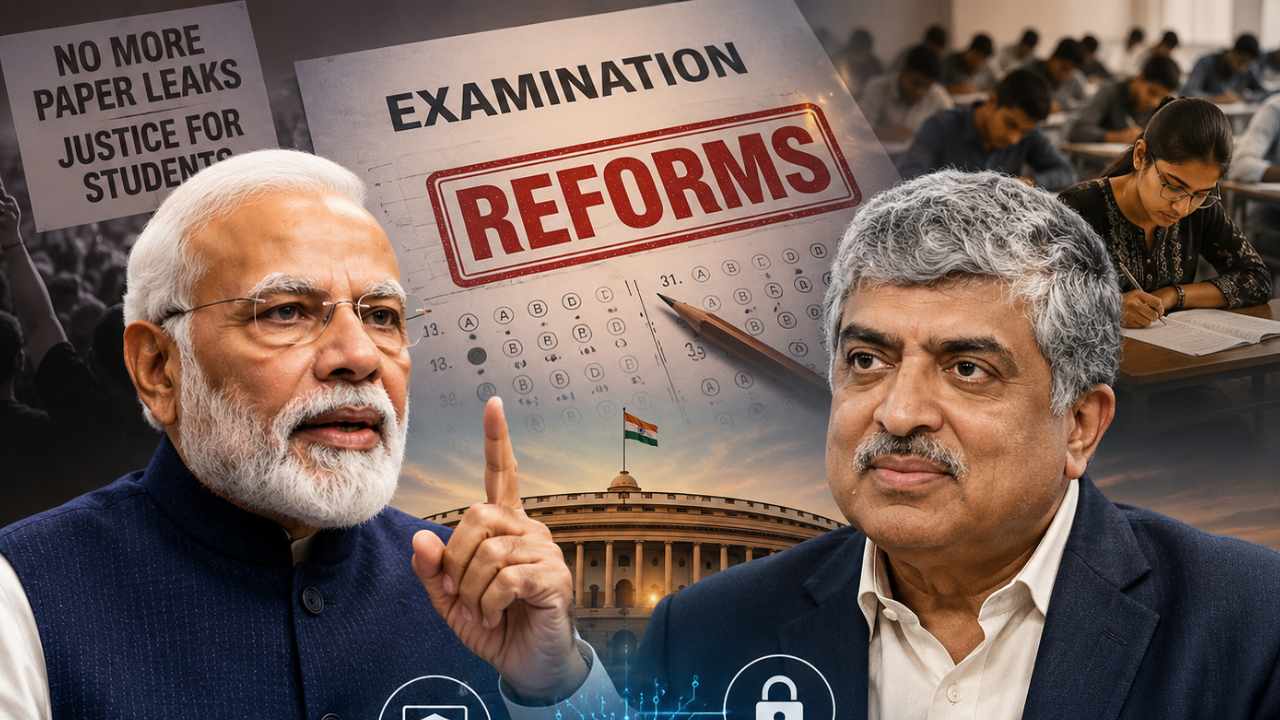
Nandan Nilekani Task Force has been formed by the Government of India to review and improve the examination system managed by the National Testing Agency (NTA). The high-level task force will study the current examination process and suggest ways to make it more reliable, transparent, and secure through the use of modern technology. The decision comes after recent concerns over examination irregularities, leading the government to focus on strengthening the overall system and restoring public confidence.
Thank you for reading this post, don't forget to subscribe!The task force will review existing practices and recommend changes that can improve the fairness, efficiency, and credibility of future examinations conducted by the NTA.
Why the Task Force Was Created
In recent years, questions have been raised about the security and management of some national-level examinations. Reports of paper leaks and other irregularities highlighted the need for stronger safeguards and better use of technology.
To address these concerns, the government has created a dedicated task force that will examine every stage of the examination process. The group will identify weaknesses, study global best practices, and recommend practical solutions for improving the system.
The aim is to ensure that future examinations are conducted in a secure, transparent, and well-organized manner.
Nandan Nilekani to Lead the Panel
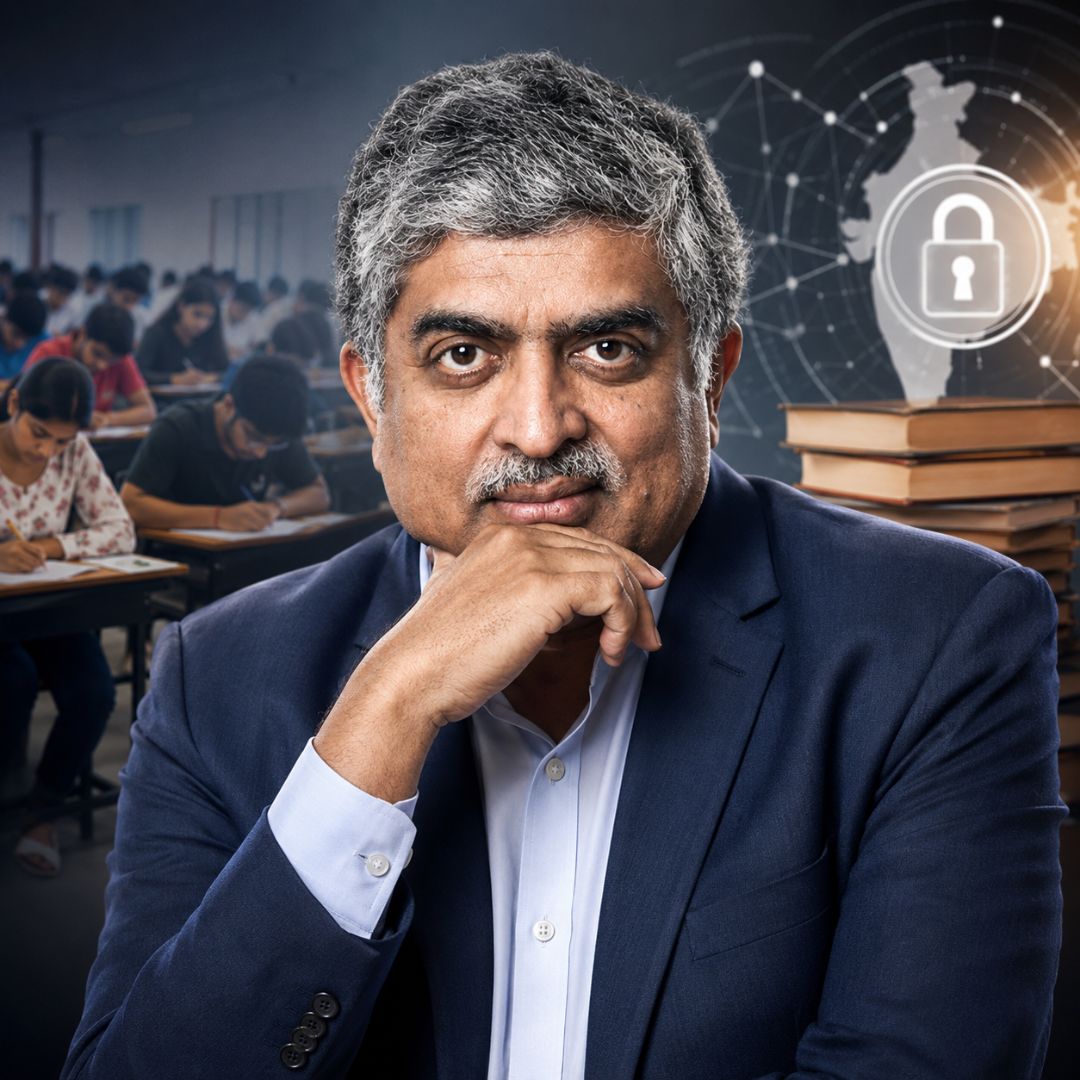
The task force is chaired by Nandan Nilekani, one of India’s leading technology experts and co-founder of Infosys.
He is widely known for serving as the founding chairman of the Unique Identification Authority of India (UIDAI), the organization that introduced the Aadhaar digital identity system.
Over the years, Nilekani has played an important role in several digital governance projects, making him a suitable choice to lead a technology-focused reform initiative.
His experience in managing large digital platforms is expected to help the task force recommend stronger and more secure examination systems.
Role of the National Testing Agency
The National Testing Agency (NTA) was established in 2017 under the Ministry of Education as an autonomous testing organization.
The agency conducts several major entrance examinations across the country using both computer-based and pen-and-paper formats.
Its main responsibility is to organize examinations in a fair, transparent, and efficient manner while ensuring equal opportunities for all candidates.
The task force will review how the agency currently operates and identify areas where technology and administrative improvements can make the examination process stronger.
Experts from Different Fields Join the Committee
The task force brings together experts from technology, education, administration, science, and public policy.
Some of the key members include:
- Former ISRO Chairman S. Somanath
- Former Intelligence Bureau Director Tapan Deka
- IIT Madras Director V. Kamakoti
- Former Education Secretary Anita Karwal
- Logistics expert Amrit Lal Meena
The diverse background of these members will help the committee examine examination reforms from multiple perspectives, including technology, security, administration, and governance.
Focus on Technology and Security
One of the main objectives of the task force is to recommend better use of technology in conducting examinations.
Some areas expected to receive attention include:
- Stronger digital security systems.
- Better monitoring of examination processes.
- Secure handling of question papers.
- Improved identity verification.
- Faster reporting of irregularities.
- Better coordination between examination authorities.
Modern digital tools and artificial intelligence are increasingly being used around the world to improve public services, and similar innovations may also strengthen examination management in India.

Strengthening the Legal Framework
The reform process is also linked with the Public Examinations (Prevention of Unfair Means) Act, 2024, which provides legal action against cheating, paper leaks, and other unfair practices.
The government is also considering further amendments to strengthen this law. Proposed changes may include stricter punishments and faster investigations into examination-related offences.
These legal reforms, together with administrative improvements, are expected to create a more secure and accountable examination system.
Recommendations Expected Soon
The government has asked the task force to submit its recommendations at the earliest so that suitable reforms can be introduced for upcoming examinations.
The committee is expected to study current challenges, consult experts, and prepare a roadmap for long-term improvements. Its recommendations may cover technology upgrades, policy changes, operational reforms, and better coordination between different agencies.
The formation of the Nandan Nilekani Task Force reflects India’s growing focus on digital governance and transparent public systems. As technology continues to play a larger role in public administration, the recommendations of this committee are expected to contribute to building a stronger, more reliable, and future-ready examination framework.