



AI HIV Drug Case in Delhi Raises Alarming Health Concerns

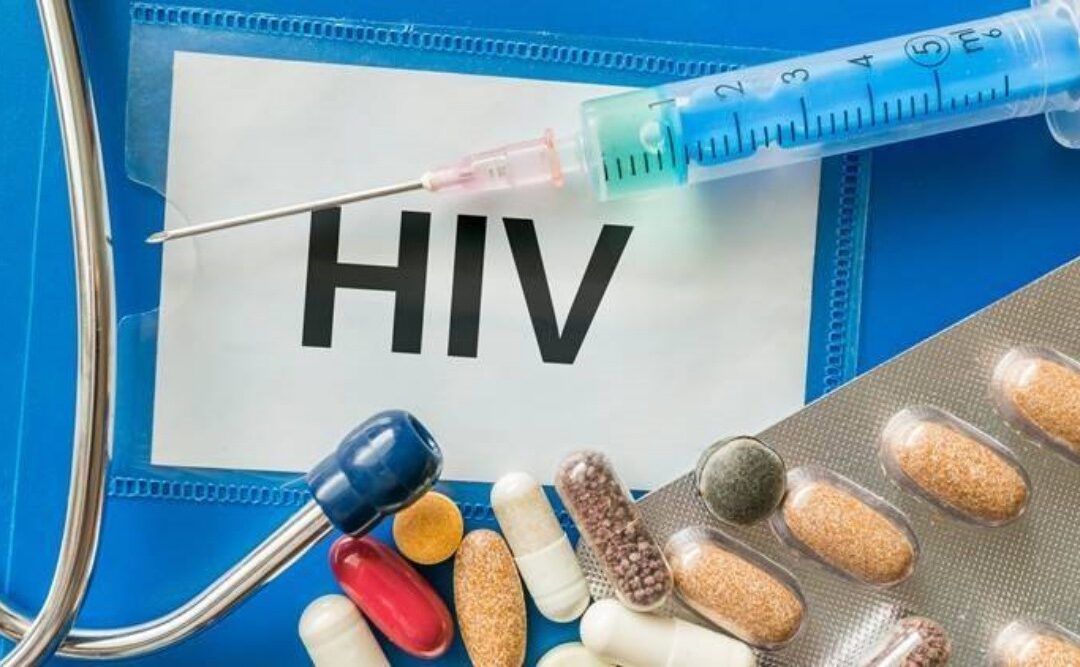
In a troubling incident in Delhi, a 45-year-old man is in critical condition after developing a rare and severe reaction to HIV preventive medicines he took without medical supervision. The case, now being referred to as the AI HIV Drug Case in Delhi, highlights the dangers of self-medication, illegal over-the-counter drug sales, and the increasing reliance on artificial intelligence platforms for health advice without consulting a doctor.
The Incident and Medical Emergency
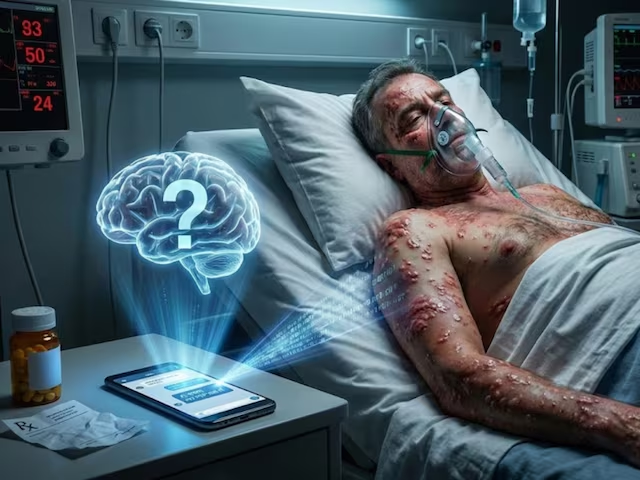
According to doctors at Dr Ram Manohar Lohia (RML) Hospital, the patient had consumed HIV post-exposure prophylaxis (PEP) drugs following a high-risk sexual encounter. However, instead of seeking professional medical guidance, he relied on advice provided by an AI chat platform. Acting on this information, he purchased a full 28-day course of antiretroviral medicines from a local chemist without a prescription.

After taking the drugs for seven days, the man began experiencing severe skin rashes and eye complications. His condition rapidly worsened as he sought help from multiple healthcare facilities before being admitted to RML Hospital in a critical state. Doctors described the situation as an alarming example of the dangers posed by unsupervised drug use.
Diagnosis of Stevens-Johnson Syndrome
Upon admission, the patient was diagnosed with Stevens-Johnson syndrome, a rare and life-threatening reaction often triggered by certain medications. This condition leads to extensive damage to the skin and mucous membranes and requires intensive medical care. Treating doctors emphasised that their immediate focus is stabilising the patient and preventing further complications from the drug reaction.
Stevens-Johnson syndrome is particularly dangerous because it can result in long-term health issues, including permanent scarring, eye problems, and organ damage. Doctors warned that taking potent antiretroviral drugs without professional oversight can have devastating consequences, and this case is a stark reminder of that reality.
Risks of Unsupervised Drug Use
Medical experts expressed concern over how such powerful medications were obtained without a prescription. National health guidelines clearly state that HIV PEP should only be initiated after proper clinical evaluation, risk assessment, baseline testing, and counselling. Close follow-up is also necessary to monitor any adverse effects.
The fact that these drugs were sold over the counter, despite strict regulations, points to gaps in enforcement. Doctors stressed that self-medication with antiretroviral drugs is extremely risky, as it can trigger severe reactions and even affect major organs. Cases like this highlight the need for public awareness about the dangers of using prescription-only medicines without supervision.
The Role of AI in Health Decisions
The incident also raises important questions about the growing use of artificial intelligence for medical advice. While AI platforms can provide general health information, they are not a substitute for licensed medical professionals. In high-risk situations, such as potential HIV exposure, clinical judgment and careful monitoring are essential.
Doctors warned that relying on AI for decisions about complex medications could lead to serious harm. Unlike trained physicians, AI tools cannot perform physical examinations, evaluate medical history in detail, or provide real-time monitoring of side effects. The Delhi case demonstrates how dangerous it can be to treat AI guidance as a replacement for professional medical consultation.
Public Health and Regulatory Challenges
Health authorities have pointed out that this incident exposes weaknesses in pharmacy regulation and prescription enforcement. Despite national guidelines, prescription-only drugs are sometimes sold illegally, putting the public at risk. Experts called for stronger monitoring of pharmacies and stricter penalties for violations.
The case also reflects a broader public health concern. With more people turning to digital platforms for health advice, there is a growing risk of misinformed self-treatment. Doctors emphasised the need to educate the public on the limits of AI tools and the importance of consulting healthcare professionals before taking any prescription medication.
Urgent Need for Awareness
Medical professionals are urging people to understand the dangers of unsupervised medication, particularly with antiretroviral drugs. HIV PEP, while highly effective, must be started within 72 hours of potential exposure and should always be taken under clinical supervision.
Stevens-Johnson syndrome, the condition diagnosed in this patient, can develop rapidly and requires immediate medical attention. Experts stress that early intervention is critical for recovery and minimizing long-term damage. Public awareness campaigns can help prevent similar incidents by highlighting the risks of self-medication and reliance on AI platforms for critical health decisions.
Lessons from the AI HIV Drug Case in Delhi
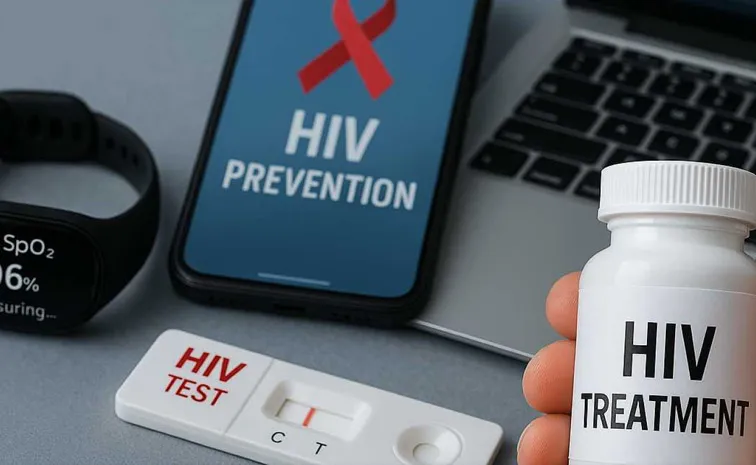
The AI HIV Drug Case in Delhi serves as a wake-up call for both the public and healthcare authorities. It shows that unsupervised use of prescription medicines can have life-threatening consequences. The case underscores the importance of following established treatment guidelines, consulting licensed professionals, and being cautious about medical advice obtained from AI platforms or the internet.
Medical professionals continue to monitor the patient closely at RML Hospital, focusing on stabilising his condition and managing complications. Meanwhile, authorities are reviewing measures to strengthen prescription regulations and prevent misuse of AI health tools.
This incident is a sobering reminder that while technology can assist in healthcare, it cannot replace human judgment and medical supervision. Patients must remain vigilant and seek professional guidance for any serious health concerns.