




Leucistic Cormorant Spotted at Ameenpur

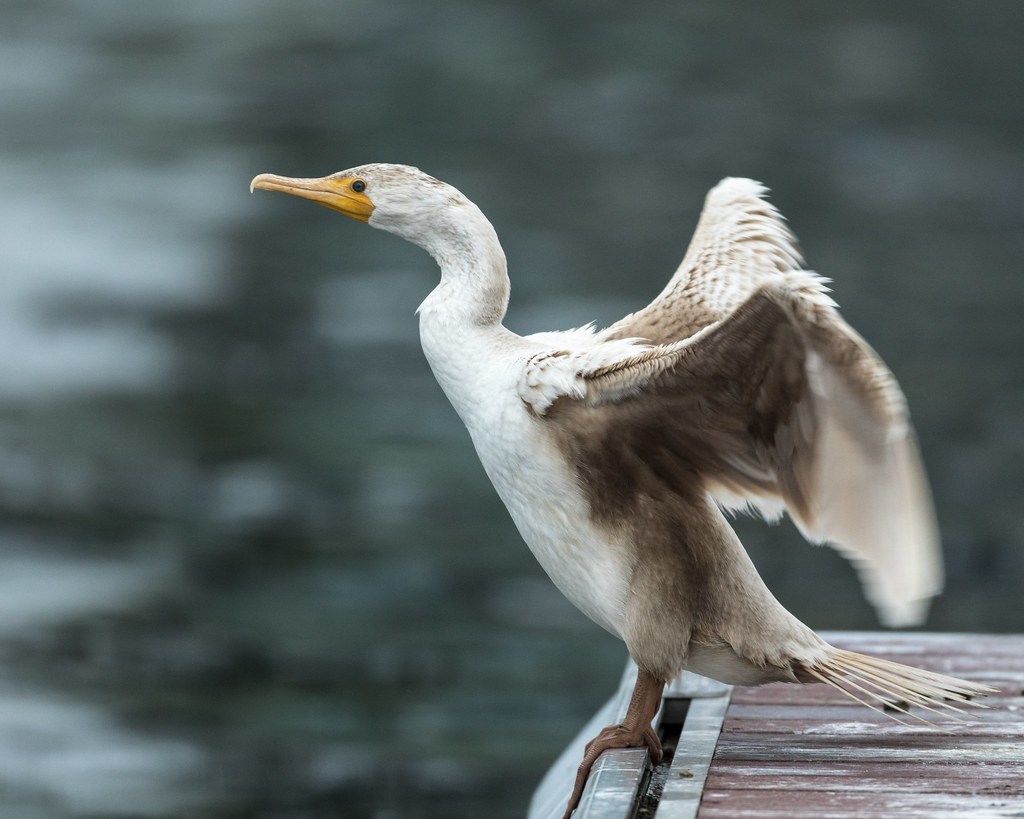
Leucistic Cormorant was recently spotted at Ameenpur Lake near BHEL in Hyderabad, Telangana, drawing attention from birdwatchers because of its unusually pale plumage. The bird was photographed by Hyderabad-born Canadian birder Raghuvamsh Chavali during a visit to the lake in September 2026. It was seen among normally dark Great Cormorants, making its pale appearance especially noticeable.
Thank you for reading this post, don't forget to subscribe!Rare Pale Bird Stands Out Among Cormorants
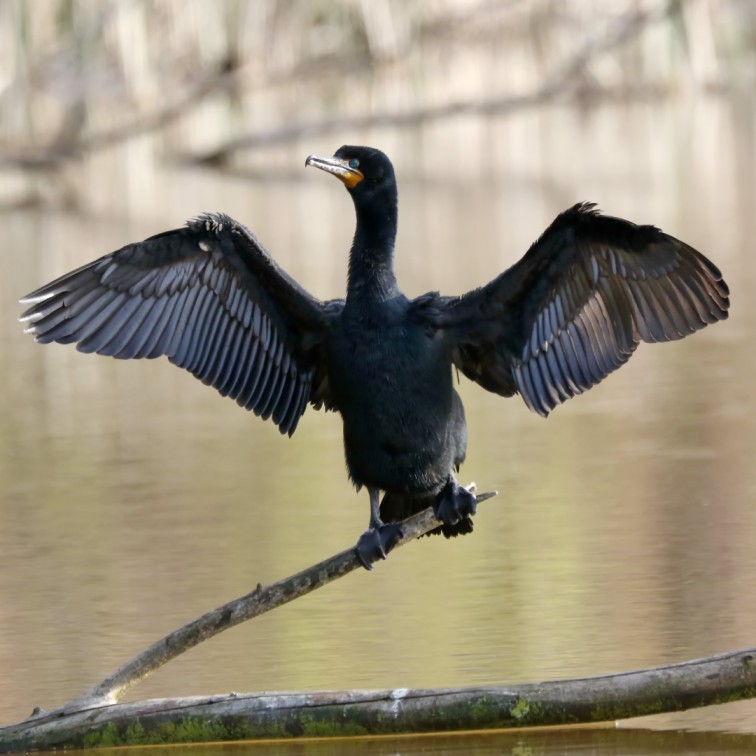
The unusual bird was observed swimming and resting near other Great Cormorants at Ameenpur Lake. Most Great Cormorants have dark plumage, but this individual had feathers that appeared almost white across large parts of its body.
According to Chavali, the contrast between the pale bird and the darker cormorants helped him recognise that it was unusual. The bird later climbed onto a rock and spread its wings, giving him an opportunity to photograph its distinctive appearance.
The birder later compared the photographs and observations with information from other birdwatchers and sources to identify the bird as a leucistic Great Cormorant. He also searched for similar documented sightings in India and found relatively little information about comparable birds.
What Is Leucism?
Leucism is a condition in which an animal has reduced pigmentation. In birds, it can cause some or many feathers to become unusually pale or white.
Leucism is different from albinism. An albino animal has a genetic condition involving a lack of melanin production, while leucistic animals generally have reduced pigmentation in their feathers but can retain normal pigmentation in other parts of the body.
This means a leucistic bird can look dramatically different from other members of the same species while still retaining features that help identify it.
The amount of colour loss can also vary. Some leucistic birds have only a few white feathers, while others can have extensive areas of pale plumage, as seen in the Ameenpur sighting.
Great Cormorant Is a Strong Diving Bird
The Great Cormorant, scientifically known as Phalacrocorax carbo, is a large waterbird found across a wide geographical range, including parts of Asia, Europe, Africa and Australia. It is commonly associated with rivers, lakes, wetlands, estuaries and coastal areas.
Great Cormorants are strong swimmers and divers. They mainly feed on fish and can spend considerable time underwater while searching for food.
Their long neck, hooked bill and dark feathers make them easy to recognise around many Indian wetlands. They are also frequently seen sitting on rocks, branches or other exposed surfaces with their wings spread after swimming.
The pale individual at Ameenpur displayed this familiar behaviour when it climbed onto a rock and stretched both wings, allowing the unusual plumage to be seen clearly.
Ameenpur Lake Supports Diverse Birdlife
Ameenpur Lake is an important urban wetland near Hyderabad. The lake attracts both resident and migratory birds and has become a well-known location for birdwatchers in the region.
The lake was recognised as a Biodiversity Heritage Site in 2016 because of its ecological value and bird diversity. Different waterbirds and other species use the lake and its surrounding habitats for feeding and resting.
The discovery of the leucistic cormorant adds another unusual wildlife observation to the area’s recent record. Earlier in 2026, birdwatchers also reported the return of a Red-breasted Flycatcher, a migratory species from Europe, to Ameenpur Lake.
Why Unusual Birds Matter to Birdwatchers
Unusual colour variations can attract attention because they allow researchers and birdwatchers to observe natural variation within a species.
Photographs are particularly useful because they preserve a visual record of an unusual individual. Images can later be compared with other observations to determine whether similar birds have been recorded in the same region.
In the case of the Ameenpur cormorant, the photographer did not claim that the bird was the first leucistic Great Cormorant recorded in India. Instead, he noted that he found very little easily available information about similar sightings and sought additional confirmation from birding contacts.
This distinction is important because an unusual sighting can be rare without necessarily being the first documented example.
Wetlands Face Growing Urban Pressure
The sighting has also drawn attention to the importance of Ameenpur Lake as an urban wetland. Hyderabad has experienced rapid development around several water bodies, creating challenges for habitats used by birds and other wildlife.
Recent reports have highlighted continuing legal and environmental issues around the lake. In September 2026, the Telangana High Court directed that status quo be maintained over disputed land linked to the Full Tank Level area of Ameenpur Lake. The court allowed restoration work to continue within the originally notified area while the dispute remains under consideration.
Such developments show the wider challenges faced by urban wetlands, where conservation, restoration and surrounding development often overlap.
Birdwatching Continues to Reveal New Observations
Ameenpur Lake continues to attract birdwatchers because its open water and shoreline habitats support different bird species. Regular observations can help document seasonal visitors, resident species and unusual individuals.
For the leucistic Great Cormorant, the unusual plumage made the bird particularly easy to distinguish from the darker birds around it. The photographs taken during the September visit now provide a record of the unusual observation.
The sighting also demonstrates how familiar urban wetlands can produce unexpected wildlife encounters. Alongside common cormorants, egrets, herons and other waterbirds, birdwatchers may occasionally find individuals with unusual colour patterns or visiting species that are not seen regularly.