


Biostimulants in Indian Agriculture: Driving Sustainability and Global Growth

Biostimulants in Indian Agriculture are emerging as a game-changer for sustainable farming, resilience against climate change, and global trade opportunities. These natural products are enabling farmers to boost yields, improve soil health, and reduce dependence on synthetic chemicals. With the government, research institutions, and private enterprises working together, India is positioning itself as a global leader in biostimulant innovation and exports.
Thank you for reading this post, don't forget to subscribe!What Are Biostimulants?
Biostimulants are substances that enhance a plant’s internal growth systems rather than directly supplying nutrients like fertilisers or killing pests like pesticides. Derived from natural sources such as seaweed extracts, humic and fulvic acids, amino acids, vitamins, and beneficial microbes, they help plants:
- Tolerate heat, drought, and salinity stresses.
- Absorb nutrients more efficiently.
- Improve root growth and flowering.
- Enhance overall productivity sustainably.
These properties make biostimulants equally valuable in both organic and conventional farming systems, supporting India’s twin goals of food security and eco-friendly agriculture.
Market Growth and Key Drivers
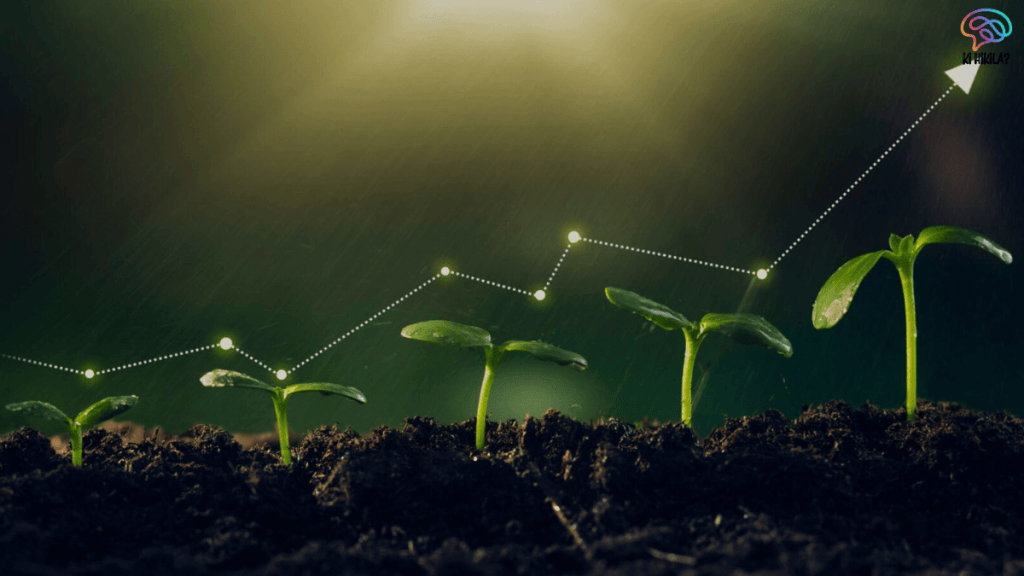
The Indian biostimulant market is witnessing rapid growth. Current estimates suggest it will reach USD 1.13 billion by 2032, expanding at a compound annual growth rate of 15.64%.
Several factors are driving this momentum:
- Climate Resilience Needs – Unpredictable rainfall, extreme temperatures, and declining soil fertility are pushing farmers to seek alternatives to traditional chemical-based inputs.
- Sustainable Farming Policies – The government is promoting eco-friendly practices under schemes like Paramparagat Krishi Vikas Yojana (PKVY) and the National Mission on Sustainable Agriculture.
- Consumer Awareness – Rising demand for chemical-free produce in India and abroad encourages farmers to adopt biostimulants.
- Export Demand – Global markets, especially in Europe and Latin America, are embracing sustainable inputs, creating a growing market for Indian products.
India’s Export Potential
India is uniquely placed to dominate the global biostimulant market. With rich biodiversity, vast agricultural land, and cost-effective R&D facilities, Indian companies can produce innovative solutions at competitive prices.
Today, Indian firms export biostimulants to more than 45 countries, including Spain, Kenya, Egypt, Vietnam, Bangladesh, and the UAE. These products comply with international regulations such as REACH (EU), ISO standards, and Codex guidelines, ensuring global acceptance.
As demand rises, India has the opportunity to increase its share in a market valued at billions of dollars, supporting both farmers and the national economy.
Role of MSMEs in Innovation
Micro, Small, and Medium Enterprises (MSMEs) form the backbone of India’s biostimulant sector. They lead in product development, innovation, and distribution networks, especially in rural areas. However, they face challenges such as:
- High regulatory approval costs.
- Limited access to advanced testing laboratories.
- Lack of harmonised global compliance systems.
Proposed Solutions for MSMEs:
- Establish public bioefficacy testing centres to reduce costs.
- Introduce tiered licensing systems for smaller firms.
- Provide subsidised data generation facilities.
- Negotiate for global harmonisation of regulations through trade agreements.
These steps would ensure MSMEs remain competitive while continuing to drive innovation in biostimulants.
ICAR’s Contribution to Scientific Validation
The Indian Council of Agricultural Research (ICAR) plays a crucial role in supporting biostimulant growth. By creating standard evaluation protocols and validating products, ICAR ensures quality, credibility, and trust in the market.
Key contributions include:
- Providing affordable access to testing and data validation.
- Developing standardised formulations for MSMEs.
- Encouraging collaboration between public and private research institutions.
This scientific backing helps Indian firms compete with global players and reduces reliance on foreign technologies.
Policy Measures for the Future
To strengthen India’s position in the global biostimulant industry, policy measures must focus on both domestic growth and export competitiveness. Suggested initiatives include:
- Export Subsidies – Encourage international trade in biostimulants.
- Eco-Labelling – Provide certification for products meeting sustainability criteria.
- Blockchain Traceability – Improve supply chain transparency for global buyers.
- Public-Private R&D Partnerships – Boost research innovation and product development.
- Bilateral Trade Agreements – Secure easier market access in Europe, Africa, and Asia.
With these steps, India can cement its role as a global hub for sustainable agricultural inputs.
Conclusion
The rise of Biostimulants in Indian Agriculture is more than just a trend—it represents a fundamental shift toward sustainable, climate-smart farming. By reducing environmental damage, boosting productivity, and opening new global markets, biostimulants hold the key to the future of Indian agriculture.
Backed by MSME innovation, ICAR’s scientific expertise, and supportive policies, India has the potential not only to meet domestic needs but also to lead the world in biostimulant production and exports. As the agricultural sector embraces this green revolution, farmers, businesses, and the nation stand to benefit.