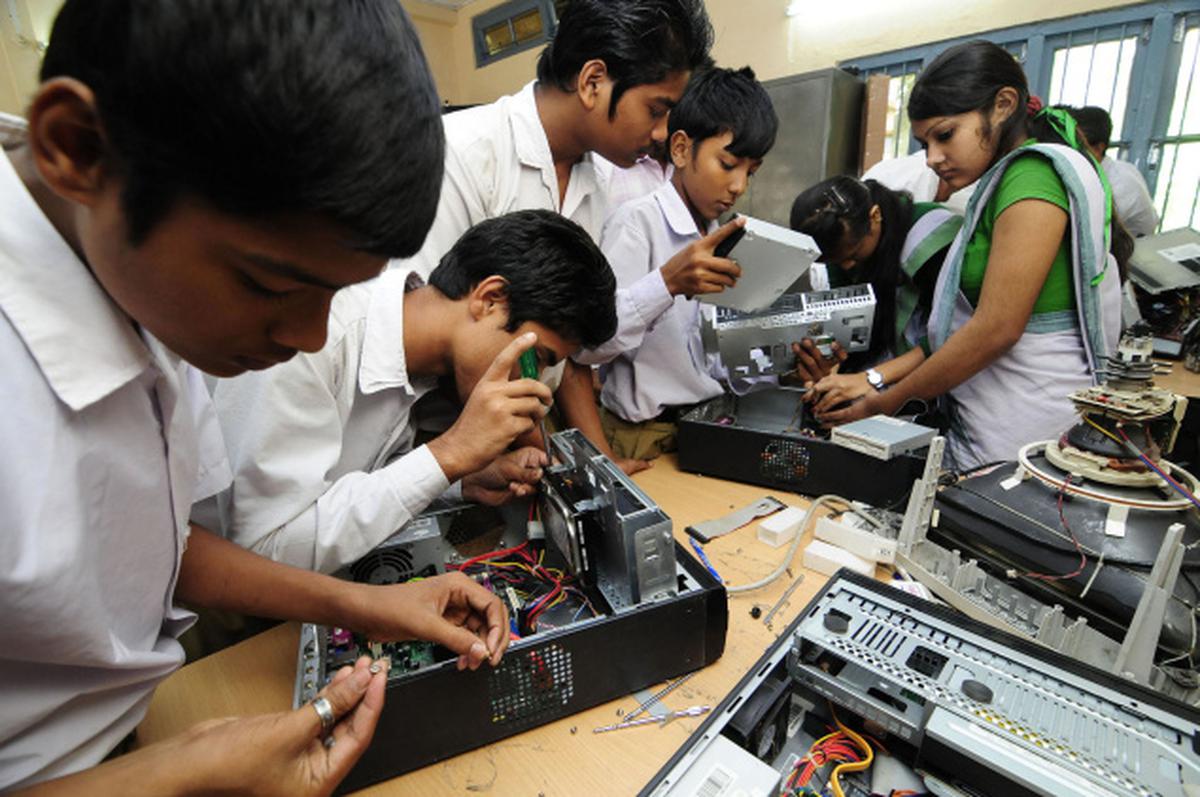
India Vocational Education Reform: Transforming Skills for Workforce Growth

India Vocational Education Reform is emerging as a central pillar in the country’s strategy to boost workforce productivity and economic resilience. As global markets face volatility and domestic industries demand skilled manpower, the Indian government has prioritized overhauling its Vocational Education and Training (VET) system. With low enrolment, outdated curricula, and poor employment outcomes, the existing framework has long struggled to meet the aspirations of youth and the needs of industries. Now, through lessons from international best practices and policy-driven initiatives, India aims to transform its skill development ecosystem.
Thank you for reading this post, don't forget to subscribe!Current State of India’s Vocational Training
India has built an extensive vocational education infrastructure over the past decades. There are more than 14,000 Industrial Training Institutes (ITIs) with around 25 lakh sanctioned seats. However, the system suffers from underutilization—enrolment stands at only 12 lakh students, just 48% of available capacity. This reflects a fundamental disconnect between training supply and demand.
Only 4% of India’s workforce has formal vocational training, in sharp contrast to advanced economies. Moreover, employment rates for ITI graduates hover around 63%, whereas in countries like Germany and Singapore, trained youth achieve 80–90% employment outcomes. These statistics highlight the inefficiency and unattractiveness of the current setup.
Key Challenges in Vocational Education

Several structural and operational challenges plague India’s vocational education system:
- Late Integration: VET is introduced only after high school, depriving students of early hands-on training. By contrast, Germany’s dual system blends academic schooling with apprenticeships right from secondary levels.
- Lack of Academic Pathways: Students pursuing vocational education often find themselves locked out of higher academic opportunities. The absence of formal progression pathways discourages many talented youth who wish to keep both academic and career options open.
- Outdated Curriculum: Many ITI courses are outdated and not aligned with modern industry needs. As a result, graduates often lack employable skills, widening the gap between training and jobs.
- Instructor Shortages: With limited recruitment and training opportunities for instructors, the quality of teaching remains inconsistent across institutions.
- Weak Monitoring: A lack of strong feedback mechanisms, such as ITI grading systems with student input, hampers accountability and continuous improvement.
Lessons from International Best Practices
India Vocational Education Reform draws inspiration from global models where VET has proven to be transformative:
- Germany: Operates a dual system that integrates schooling with paid apprenticeships. Students gain both theoretical knowledge and real-world industry experience.
- Singapore: Provides dual vocational tracks along with academic progression routes, ensuring that vocational students are not excluded from higher education opportunities.
- Industry-Driven Design: In successful countries, industries actively co-design curricula, ensuring skills are relevant to market demand.
- High Public Investment: Governments in these countries allocate 10–13% of their education budgets to vocational training, compared to just 3% in India.
- Robust Partnerships: Public-private partnerships are central, with employers contributing to both financing and curriculum development.
Recommended Reforms for India Vocational Education Reform
Experts believe that systemic changes are essential to make India’s vocational education both effective and attractive:
- Early Integration in Schools: The National Education Policy (NEP) 2020 emphasizes introducing vocational education at the school level. Early exposure will normalize skill-based learning.
- National Credit Framework: Fast-tracking this system will allow students to transfer credits between vocational and academic streams, breaking rigid barriers.
- Quality Alignment with Industry: Courses must be updated to meet local industry demands, and partnerships with MSMEs should be scaled up.
- Strengthening ITI Grading: Incorporating student and employer feedback will improve transparency and accountability.
- Instructor Development: Recruitment and continuous training programs for instructors should be prioritized to enhance teaching quality.
- Funding Linked to Performance: Increasing public spending while linking it to outcomes and autonomy will make institutions more competitive and sustainable.
Recent Government Initiatives under India Vocational Education Reform
The government has launched multiple initiatives aimed at strengthening vocational education, though experts argue these remain incremental:
- Employment Linked Incentive (ELI): Encourages job creation but lacks an integrated skilling component.
- Prime Minister Internship Scheme: Provides internship opportunities, yet it remains disconnected from structured vocational pathways.
- ITI Upgradation Initiative: Focuses on modernizing infrastructure but does not sufficiently address the quality of training or curriculum reform.
While these schemes signal intent, they fall short of delivering a system-wide transformation needed to match global standards.
Why India Vocational Education Reform Matters Now
India is entering a crucial demographic window, with over 65% of its population below the age of 35. Harnessing this demographic dividend requires creating a skilled workforce capable of competing in a global economy. Without robust vocational education reform, millions of young people risk being left underemployed, threatening both individual aspirations and national growth.
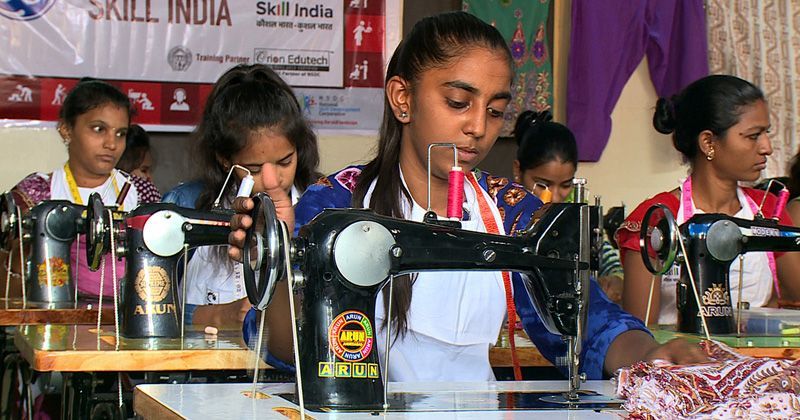
The reform is not just about upgrading institutions—it is about changing perceptions. Vocational training must be positioned as a prestigious and viable pathway alongside traditional academic education.
Conclusion
India Vocational Education Reform is no longer an option—it is an imperative. With low enrolment, outdated systems, and weak industry linkages, the current framework cannot sustain the workforce needs of a rapidly growing economy. By integrating vocational education early, ensuring academic mobility, strengthening public-private partnerships, and increasing investment, India can build a skill ecosystem that empowers its youth.
A successful reform will not only enhance employability but also make India a global hub for skilled manpower. In an era of economic uncertainty, investing in vocational education is the surest way to secure long-term workforce growth and national competitiveness.