



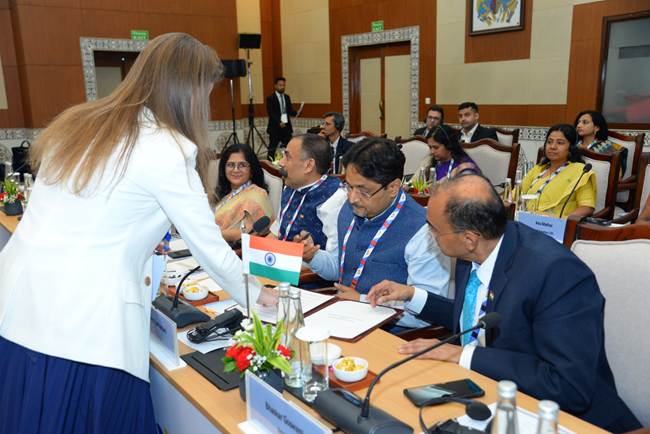
BRICS Tax Cooperation Meeting in Delhi

BRICS Tax Cooperation took centre stage in New Delhi as the BRICS Heads of Tax Authorities Meeting was held on September 23, 2026. The meeting marked the concluding event of India’s chairship of the BRICS tax cooperation track for 2026. Senior tax officials from Brazil, China, Egypt, Ethiopia, India, Indonesia, Iran, Russia, South Africa and the United Arab Emirates participated in the meeting.
Thank you for reading this post, don't forget to subscribe!The meeting focused on improving cooperation between tax administrations, sharing administrative practices and strengthening professional capabilities. India used its chairship to focus on technology, administration and people while discussing ways to improve tax systems and institutional processes.
BRICS Tax Cooperation Meeting in New Delhi
The BRICS Tax Cooperation meeting brought together heads and senior representatives of tax authorities from all BRICS member countries. The gathering provided a platform for participating countries to discuss common challenges in tax administration and ways to improve cooperation.
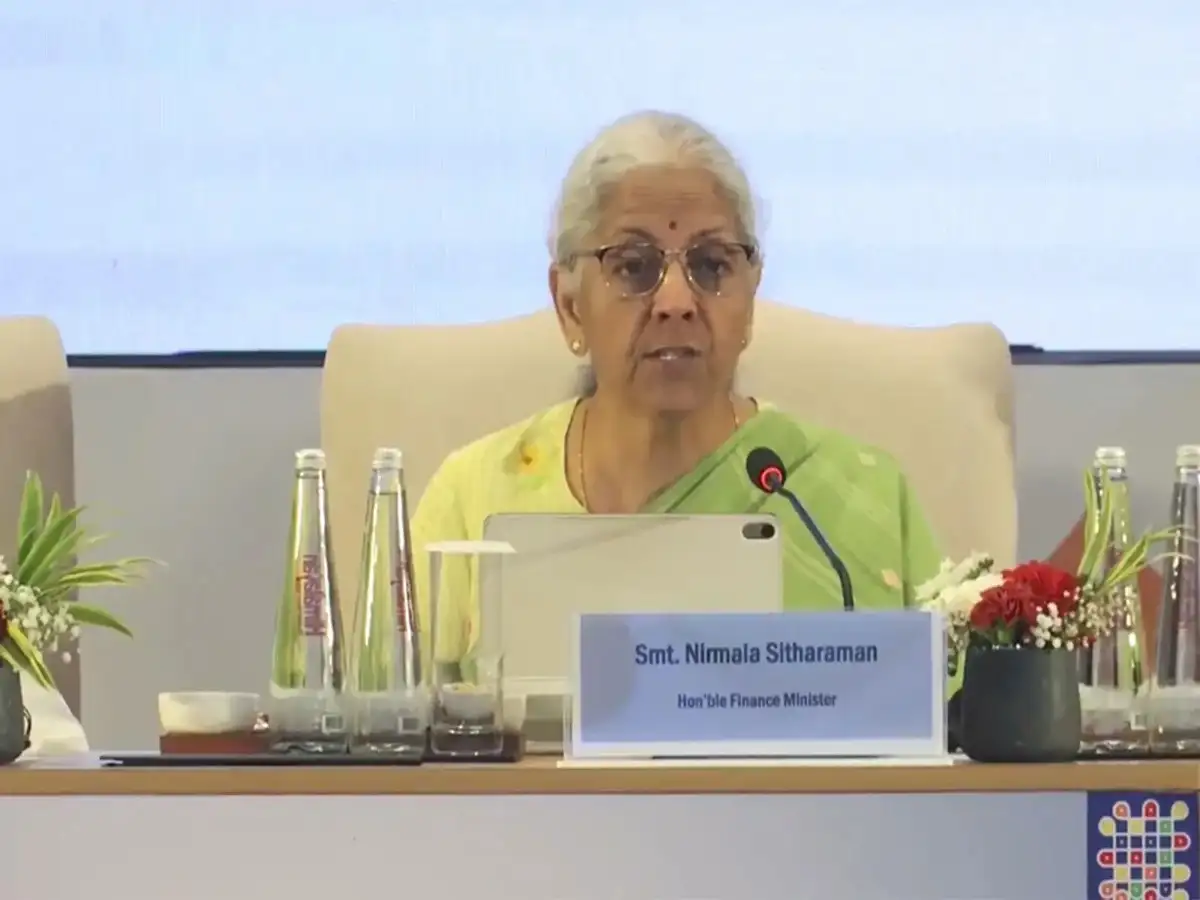
Union Minister for Finance and Corporate Affairs Nirmala Sitharaman inaugurated the meeting in New Delhi.
The meeting also provided an opportunity for tax administrations to share their experiences in areas such as digital technology, taxpayer services, institutional management and professional training.
India’s Chairship Focused on Technology and Administration
During India’s chairship in 2026, technology, administration and people were identified as recurring themes for BRICS tax cooperation.
Technology has become an important part of modern tax systems. Tax authorities in different countries are increasingly using digital platforms and data-based systems to improve tax collection, compliance and taxpayer services.
The administration component focused on institutional processes and the way tax authorities manage their operations. The people component included professional development and capacity building for tax officials.
These areas were discussed as part of the broader effort to strengthen cooperation between BRICS tax administrations.
New Working Group on International Taxation
One of the key developments at the meeting was the formal establishment of a new India-led Working Group on International Taxation and Transfer Pricing.
International taxation covers tax issues that arise when individuals and businesses operate across national borders. Transfer pricing is particularly important for multinational companies because it deals with transactions between associated companies or entities within the same corporate group.
The new working group will provide a platform for BRICS countries to discuss these issues, share experiences and improve cooperation in international tax matters.
Working Group on Revenue Statistics
A second India-led Working Group was established to focus on Revenue Statistics.
Revenue statistics provide information about government tax collections and help authorities understand trends in tax receipts. Such data can also support analysis of tax administration, compliance and broader fiscal management.
The new working group will allow BRICS tax administrations to exchange information and approaches related to the collection, measurement and classification of tax revenue.
Better data and comparable information can help tax authorities understand changes in revenue patterns and administrative performance.
BRICS Tax Cross-Learning Lab Launched
Another major development was the launch of the BRICS Tax Cross-Learning Lab. The platform has been created as a joint peer-learning initiative for tax administrations.
The lab brings together the work of the Client-Centric Administration Working Group and the HR Practices Working Group.
The focus is on allowing tax authorities to learn from each other’s experiences. Different BRICS countries have developed different approaches to taxpayer services, administration and human-resource management.
A shared learning platform can help participating administrations study these approaches and identify practices that may be useful in their own systems.
BRICS Tax Support Network Gets New Framework
The meeting also approved the Terms of Reference of the BRICS Tax Support Network.
A Terms of Reference document generally sets out the purpose, scope, structure and working arrangements of an institutional mechanism. Its approval provides a formal framework for the network’s activities.
The Tax Support Network is part of the wider effort to create stronger links between BRICS tax administrations and support continued cooperation.
Technology in Modern Tax Administration
Technology was one of the major themes during India’s chairship of BRICS Tax Cooperation. Digital systems are changing the way tax authorities collect information, interact with taxpayers and monitor compliance.
Modern tax administrations increasingly use electronic filing, digital records, automated systems and data analysis. Cooperation between countries can help authorities exchange experiences about these technologies and their use in tax administration.
For countries with large and diverse economies, improving digital tax services can also make interactions between taxpayers and authorities more efficient.
Importance of International Tax Cooperation
Tax systems are increasingly connected because businesses and investments operate across national borders. Companies can have operations, subsidiaries and transactions in several countries at the same time.
This creates tax-related issues that may require cooperation between different national administrations. International tax cooperation can help authorities exchange experiences and address common administrative challenges.
For BRICS members, the tax cooperation track provides a dedicated platform to discuss these issues among major emerging economies.
BRICS Tax Progress Report 2026
The meeting concluded with the signing of the BRICS Tax Progress Report 2026. The report recorded the outcomes and work completed during India’s chairship of the BRICS tax cooperation track.
The report represents the institutional work carried out during the year and documents developments in areas such as international taxation, revenue statistics, tax administration and capacity building.
The completion of the report also marked the closing stage of India’s chairship of the BRICS tax cooperation track for 2026.
China to Lead Tax Cooperation Track in 2027
At the New Delhi meeting, China was welcomed as the incoming chair of the BRICS tax cooperation track for 2027.
The transition will allow the work carried out under India’s chairship to continue through the next year’s programme. Existing working groups and institutional mechanisms can provide a framework for further discussions between BRICS tax authorities.
The transition from India to China also reflects the rotating nature of cooperation within the BRICS framework.
The September 23 meeting therefore marked an important stage in the development of BRICS Tax Cooperation, with new working groups, a cross-learning platform, a tax support network and the 2026 progress report forming part of the outcomes of India’s chairship.