



Cancer Report India 2025 Highlights Rising Burden and Regional Variations

Cancer Report India 2025 reveals a worrying picture of cancer trends across the country. Data collected from 43 cancer registries indicates that the lifetime risk of developing cancer in India is 11 percent. In 2024 alone, approximately 15.6 lakh new cancer cases were recorded, alongside 8.74 lakh deaths. These registries cover between 10 and 18 percent of the population across 23 states and Union Territories, offering critical insights into cancer types, regional variations, and key risk factors. The findings serve as a foundation for shaping national healthcare policies and strengthening cancer prevention and treatment strategies.
Thank you for reading this post, don't forget to subscribe!Cancer Burden in India
According to the Cancer Report India 2025, cancer incidence in India shows significant differences between men and women. Women account for 51.1 percent of cases but only 45 percent of deaths. This disparity largely results from the prevalence of cancers like breast and cervical cancer among women, which are easier to detect early and respond well to treatment. Men, in contrast, are more affected by lethal cancers such as lung and gastric cancers, which often remain undiagnosed until advanced stages, leading to higher mortality rates.
The report highlights that cancer is increasingly becoming a major public health concern in India. With the country’s population continuing to age and urbanize, the number of new cancer cases is expected to grow if preventive measures are not strengthened and screening programs expanded.
Shift in Common Cancer Types
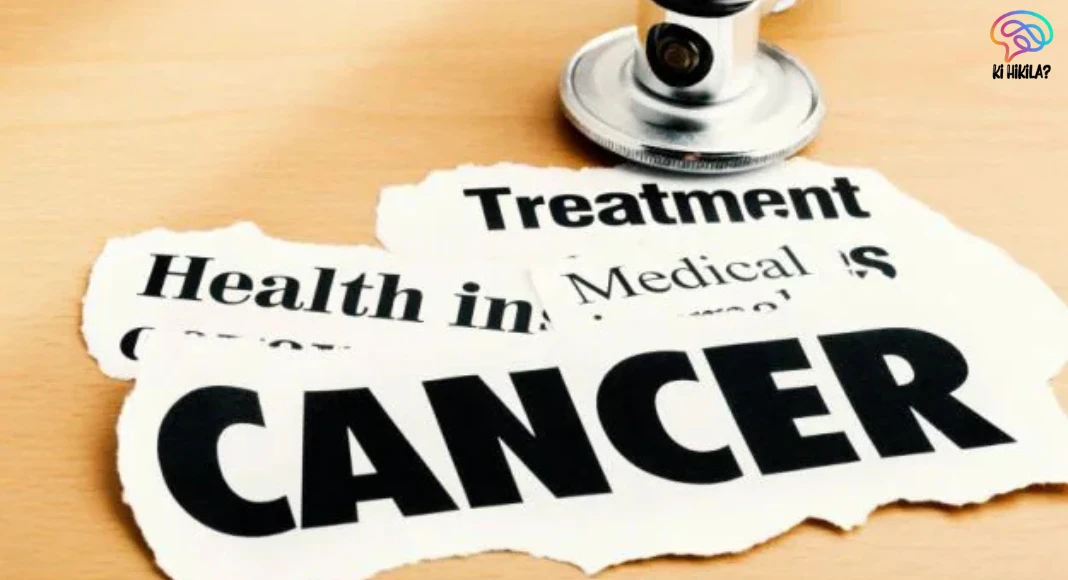
One of the notable findings in the Cancer Report India 2025 is that oral cancer has overtaken lung cancer as the most common cancer among men. This rise has occurred even as tobacco consumption declined from 34.6 percent to 28.6 percent between 2009-10 and 2016-17. Experts attribute this trend to the long latency period of cancer development and other contributing factors, particularly alcohol consumption. Alcohol has been shown to increase the risk of several cancers, and when combined with tobacco use, the risk multiplies.
The report emphasizes the need for greater public awareness about lifestyle factors contributing to cancer and stronger interventions to reduce exposure to these risks.
Regional Variations and Risk Factors
The Cancer Report India 2025 reveals significant regional differences in cancer incidence. The Northeast region has the highest overall cancer rates, with elevated incidences of cervical cancer, lung cancer in women, and oral cancers. Several factors contribute to this pattern, including high rates of tobacco consumption, unique dietary habits such as fermented pork fat and smoked meats, and the consumption of very spicy foods and hot beverages.
Infections also play a crucial role in cancer development. The report highlights links between Helicobacter pylori, hepatitis, salmonella typhi, and Human papillomavirus infections and specific types of cancer. These findings underline the importance of region-specific public health strategies to address both environmental and biological risk factors.
State-wise Cancer Risk
Mizoram stands out in the Cancer Report India 2025 with the highest lifetime risk of cancer in India. Men in Mizoram face a 21.1 percent lifetime risk, while women face 18.9 percent, both figures far above the national average. Other states show diverse patterns of cancer incidence, with variations in breast, cervical, lung, oral, and prostate cancers. These differences reflect a complex interplay of environmental exposures, lifestyle habits, and genetic predispositions across regions.
The report emphasizes the need for targeted cancer interventions that consider state-specific trends, ensuring that screening, prevention, and treatment programs are effectively aligned with local risks.
Policy and Healthcare Implications
The insights from the Cancer Report India 2025 are critical for shaping national healthcare planning, particularly under initiatives such as Ayushman Bharat. The report recommends strengthening screening programs at primary health centres, improving tertiary care infrastructure, and organizing community-focused health camps to raise awareness.
In regions such as the Northeast, the report suggests a comprehensive approach, combining improved healthcare infrastructure with community engagement and lifestyle interventions. Raising awareness about risk factors, promoting healthy diets, and encouraging regular medical check-ups are essential steps for reducing the cancer burden in these areas.
Importance of Early Detection and Prevention
Early detection and preventive strategies are central to reducing cancer-related deaths in India. According to the Cancer Report India 2025, breast cancer alone accounts for 30 percent of all cases among women and can often be detected early through routine screening. Cervical cancer continues to pose a major threat, highlighting the importance of Human papillomavirus vaccination and widespread screening programs.

The report emphasizes that 30 to 50 percent of cancers are preventable through proper management of risk factors and adoption of evidence-based strategies. Tobacco cessation programs, dietary modifications, vaccination drives, and community education campaigns are key measures for controlling the growing cancer burden.
Looking Ahead
The findings in the Cancer Report India 2025 underscore the urgent need for sustained policy action and public health interventions. As cancer rates continue to rise, addressing both lifestyle and environmental factors is critical. Expanding early detection programs, increasing access to quality healthcare, and implementing targeted awareness campaigns can significantly reduce mortality and improve outcomes.
India’s approach to cancer prevention and treatment must be holistic, combining national programs with state-specific strategies to address diverse risk profiles. By focusing on prevention, early diagnosis, and timely treatment, the country can curb the increasing cancer burden and improve public health outcomes for millions of citizens.