
UAE Gene Therapy Initiative for Autism Care

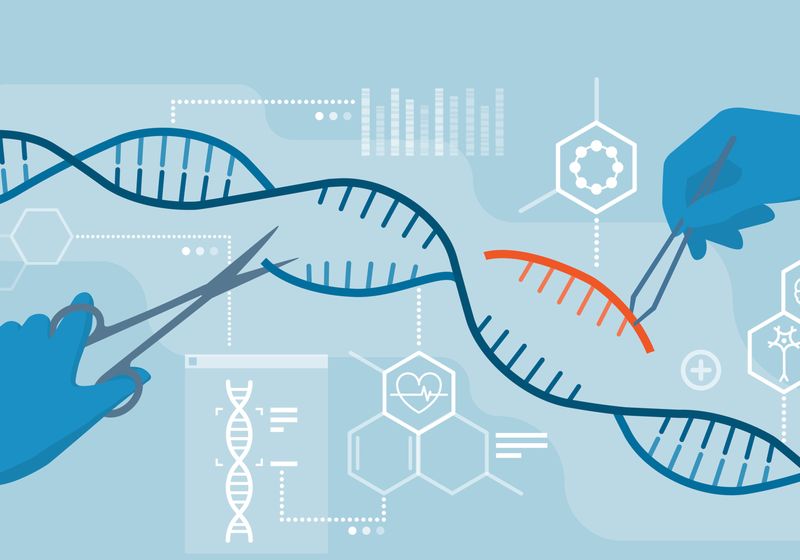
UAE Gene Therapy programmes have been officially launched to support children living with autism and rare neurogenetic brain disorders. The United Arab Emirates has introduced two major research initiatives that aim to move beyond traditional symptom management and instead treat the root genetic causes of certain conditions. These projects are being led by Emirates Health Services and reflect the country’s growing investment in advanced and personalised healthcare.
Thank you for reading this post, don't forget to subscribe!The new approach focuses on precision medicine. Instead of treating only visible symptoms such as seizures or developmental delays, researchers are trying to correct or modify the faulty genes responsible for these disorders. This marks an important shift in how neurological conditions are understood and treated in the region.
Targeting the Genetic Roots of Autism
One of the two initiatives concentrates on genetic mutations linked to autism and epilepsy. The project is being developed in collaboration with Children’s Hospital of Philadelphia, a globally respected centre known for its paediatric research and innovation.
Scientists involved in the programme are working on advanced gene delivery systems. These systems are designed to target specific brain cells with greater precision. By doing so, doctors hope to improve the effectiveness of treatment while reducing the amount of medication required. Lower dosages may also reduce side effects and long-term treatment costs for families.

Among the rare disorders included in this initiative is Beta-Propeller Protein-Associated Neurodegeneration (BPAN). BPAN is a serious inherited condition that often begins in early childhood with developmental delays and seizures. Over time, it can lead to severe cognitive decline and movement difficulties. By intervening at the molecular level, researchers aim to slow or even change the course of such disorders instead of only managing their symptoms.
Autism spectrum disorder affects millions of families worldwide. While therapies and behavioural interventions can help children develop important skills, there is currently no single cure. By focusing on the genetic causes in certain cases, the UAE’s initiative represents a step toward more targeted and individualised care.
Advanced Research for Rare Brain Disorders
The second UAE Gene Therapy project focuses on rare neurodegenerative diseases. These are conditions in which nerve cells gradually lose function over time. Many of these disorders are inherited and currently have limited treatment options.
Researchers plan to explore gene repair techniques and develop cell-based disease models. These models allow scientists to study how diseases develop and test possible treatments in a controlled environment. Another key area of research is biomarker identification. Biomarkers are measurable signs in the body that can help doctors track disease progression and monitor how well a treatment is working.
Artificial intelligence is also playing a major role in the programme. AI tools will be used to analyse large amounts of genomic data. By studying patterns in genetic information, researchers hope to improve diagnosis and identify children who may be at higher risk of developing certain disorders. Early detection can make a big difference in treatment outcomes.
This use of AI in healthcare reflects a global trend. Around the world, hospitals and research centres are using machine learning to study complex diseases, predict risks, and design personalised treatment plans. The UAE’s efforts show how the country is aligning itself with these international developments.
Role of the Emirati Genome Programme
A key part of the UAE Gene Therapy initiative is the use of data from the Emirati Genome Programme. This national project aims to map the genetic variations within the Emirati population. By understanding common and rare genetic traits, doctors can design treatments that are better suited to the local population.
Genomic data helps researchers identify mutations that may cause or increase the risk of disease. When combined with AI analysis, this data becomes a powerful tool for personalised medicine. Instead of applying a one-size-fits-all approach, healthcare providers can tailor treatments based on an individual child’s genetic profile.
The integration of genomics and artificial intelligence is becoming more common in modern healthcare systems. Countries investing in these technologies are aiming to shift from reactive treatment to preventive and predictive care. This means identifying potential health risks early and taking action before serious symptoms appear.
UAE Gene Therapy: A Broader Healthcare Transformation
The launch of UAE Gene Therapy projects is part of a wider transformation in the country’s healthcare strategy. In recent years, the UAE has increased investment in biotechnology, medical research, and international partnerships. By working with global institutions and building local expertise, the country aims to become a regional leader in advanced medical care.
Families affected by autism and rare brain disorders often face emotional, physical, and financial challenges. Long-term therapies, repeated hospital visits, and specialised care can be demanding. By developing targeted genetic treatments, officials hope to improve the quality of life for both children and their families.
The focus on paediatric neurological care is especially important. Early childhood is a critical period for brain development. Intervening at a young age can help improve developmental outcomes and reduce complications later in life.
Globally, gene therapy has been gaining attention in recent years. Breakthrough treatments for certain inherited blood disorders and eye conditions have already shown promising results. However, gene therapy is still a developing field, and researchers continue to study its safety, effectiveness, and long-term impact.
By launching these initiatives, the UAE is joining a growing group of countries exploring genetic solutions for complex diseases. The combination of precision medicine, AI-driven analysis, and national genomic data represents a modern approach to healthcare innovation.
As medical science continues to evolve, personalised and gene-based treatments are expected to play a larger role in managing neurological and developmental disorders. The UAE’s new programmes highlight how advanced research, technology, and collaboration can work together to address some of the most challenging conditions affecting children today.