Vasai Cathedral Conservation Award

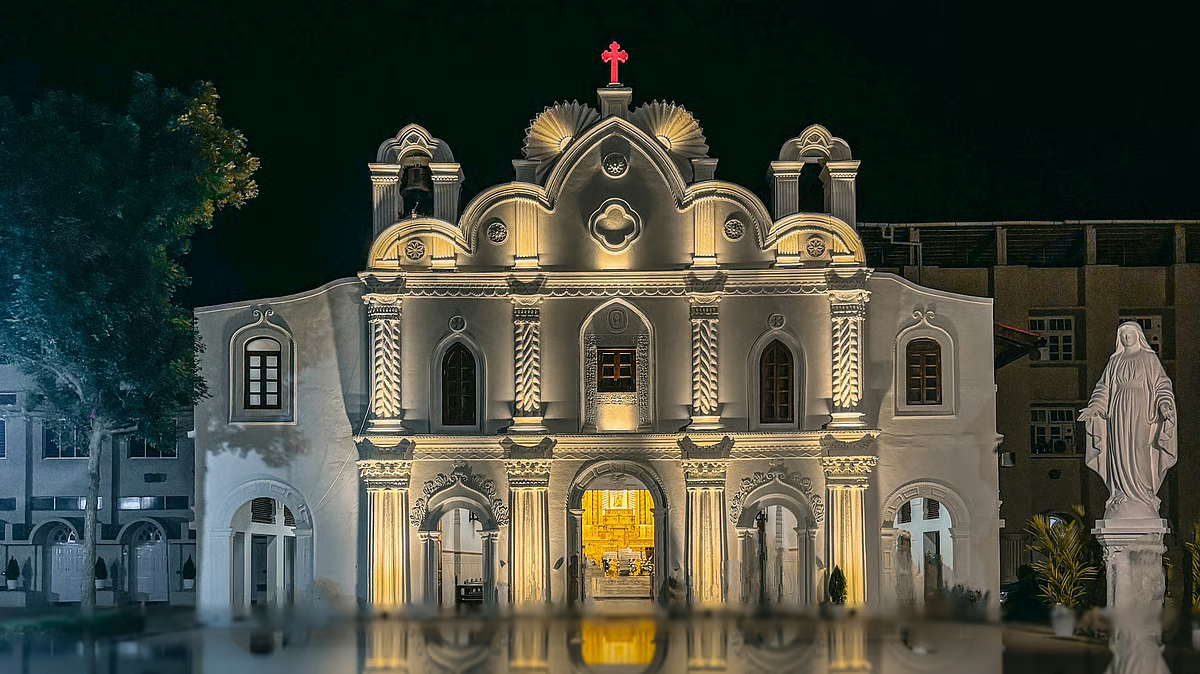
Vasai Cathedral Conservation has brought global attention to a historic church on India’s western coast after it received a prestigious heritage award for careful restoration. The 475-year-old cathedral in Papdy village, near Vasai in Maharashtra, was honoured at the 2025 Asia-Pacific heritage awards announced in Bangkok. The recognition celebrates not only the building’s revival but also the powerful role of local people in saving a cultural treasure.
Thank you for reading this post, don't forget to subscribe!Vasai Cathedral Conservation A Living Monument from the Portuguese Era
The cathedral, dedicated to Our Lady of Grace, dates back to the sixteenth century when the region was under the control of Portugal. During that time, Vasai then known as Bassein was an important coastal settlement. Missionaries and colonial administrators built churches, forts, and civic structures that still shape the region’s identity today.
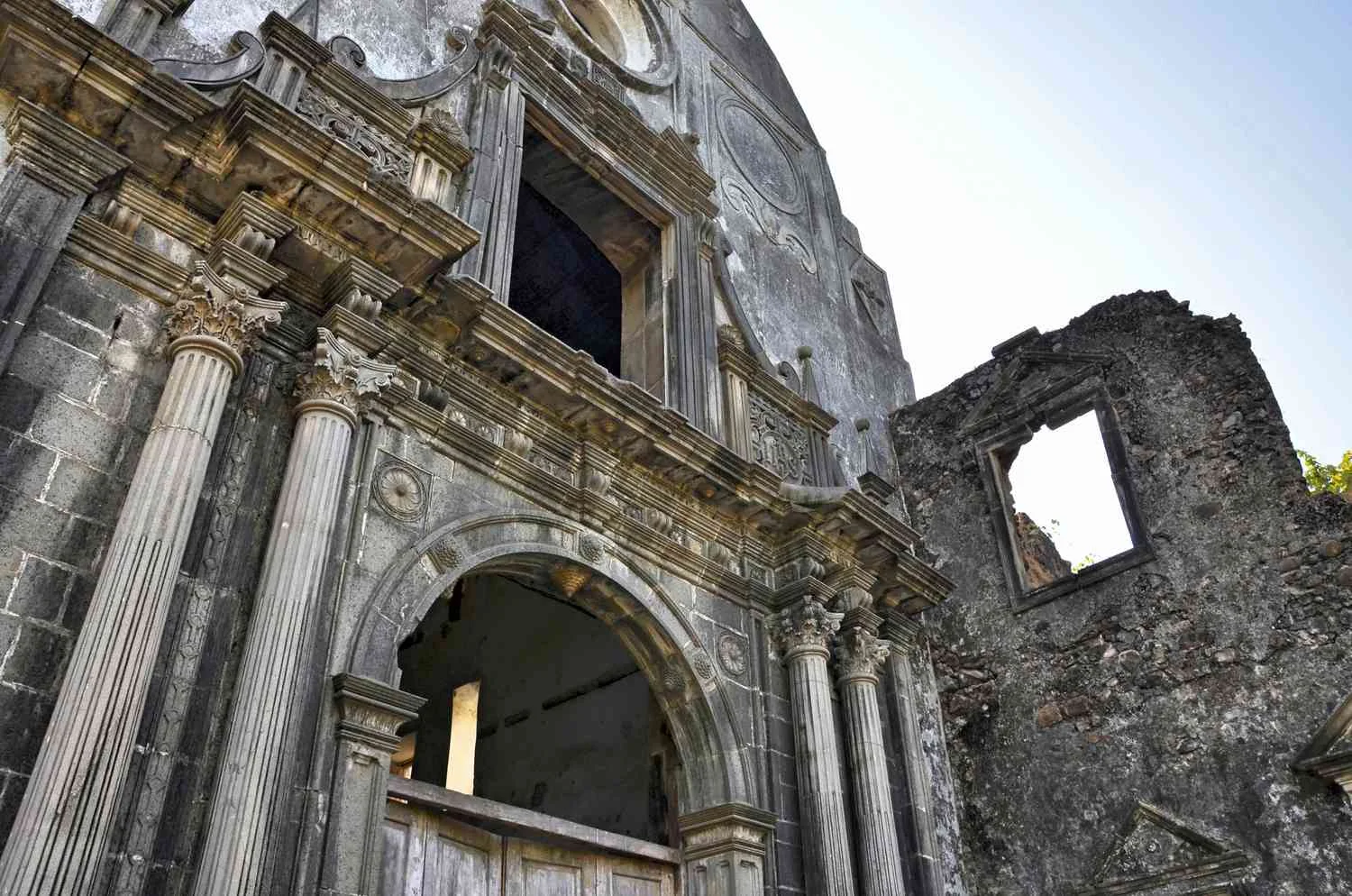
What makes this cathedral special is its construction. Unlike modern buildings, it was built without cement or steel. Instead, traditional materials such as stone, lime mortar, and mud were used. These techniques helped structures survive for centuries but also made them vulnerable to weather damage if not maintained carefully.
Over the years, heavy monsoon rains, humidity, and unplanned repairs weakened parts of the building. The roof began to deteriorate, cracks appeared in the walls, and the bell tower showed signs of structural stress. Without timely action, the church faced the risk of severe damage.
Vasai Cathedral Conservation Careful Restoration Using Traditional Skills
The Vasai Cathedral Conservation project focused on restoring the structure while respecting its original design. Conservation architect Ainsley Lewis led the effort in collaboration with church authorities and local residents.
Instead of using modern materials that could harm the old structure, workers relied on traditional craftsmanship. Skilled artisans repaired stone masonry, restored wooden elements, and reconstructed damaged sections using historically accurate methods. This approach ensured that the building remained authentic while becoming structurally safe again.
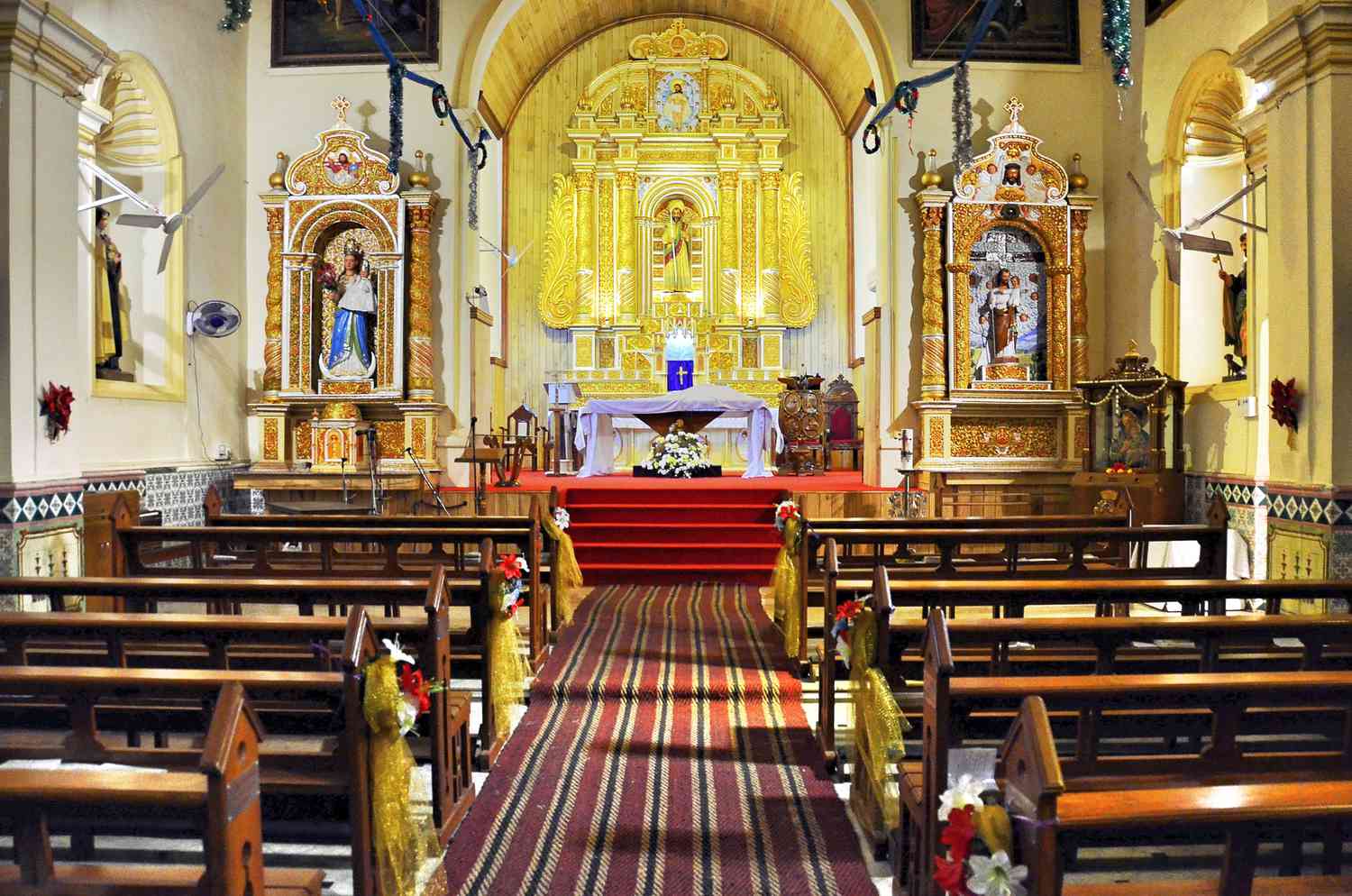
Major work included repairing the roof, strengthening corridors, restoring the façade, and conserving delicate interior carvings. Liturgical elements features used for worship were also preserved so that the cathedral could continue to function as an active religious space rather than just a museum piece.
Vasai Cathedral Conservation Community at the Heart of the Project
One of the most remarkable aspects of Vasai Cathedral Conservation is how strongly the local community supported it. Residents, parish members, and well wishers contributed funds through donations over several years. The project cost around ₹4.5 crore, a significant amount raised largely through grassroots support.
Community members also participated in planning and monitoring the restoration. Their involvement ensured that the church retained its spiritual role and cultural meaning for the people who use it daily. This kind of local ownership is increasingly seen as essential for successful heritage preservation.
The award citation specifically praised the project’s use of traditional skills and the revival of the cathedral as a “living heritage site.” Rather than isolating the monument, the restoration strengthened its connection to everyday community life.
Vasai Cathedral Conservation Recognition on the Global Stage
The honour came from UNESCO’s Asia-Pacific Awards for Cultural Heritage Conservation, which recognise outstanding restoration projects across the region. In 2025, the programme marked its silver jubilee year, highlighting decades of work to protect historic sites.
The award jury reviewed around 90 entries from 16 countries before selecting the winners. Projects were judged on technical quality, sustainability, cultural sensitivity, and community engagement. Receiving an Award of Merit places the Vasai cathedral among the region’s most respected conservation efforts.
Other recognised projects were located in countries such as Japan, China, Malaysia, Nepal, and Vanuatu. Being listed alongside these international efforts highlights India’s growing reputation for heritage conservation.
Why This Matters Today
Across India, many historic structures face threats from urban expansion, pollution, climate change, and neglect. The success of Vasai Cathedral Conservation shows that preservation is possible when experts and communities work together.
The project also reflects a broader global trend: saving heritage sites while keeping them active and relevant. Instead of turning monuments into empty tourist attractions, conservationists now aim to maintain their original purpose whenever possible. In this case, the cathedral continues to host religious services and community events, ensuring that it remains a vibrant part of local life.
Vasai Cathedral Conservation Cultural and Tourism Impact
Recognition at the international level is likely to boost cultural tourism in the Vasai region. Visitors interested in history, architecture, and spiritual heritage may now include the cathedral in their travel plans. This can create economic opportunities for local businesses, artisans, and guides.
At the same time, increased attention brings responsibility. Authorities and community members will need to manage visitor numbers carefully to protect the restored structure from wear and tear.
Vasai Cathedral Conservation A Model for Future Conservation
Vasai Cathedral Conservation stands as an example of how historic sites can be saved without losing their soul. By combining scientific restoration methods with traditional knowledge and community participation, the project achieved results that purely commercial approaches often cannot.
As cities expand and older neighbourhoods change, such initiatives remind us of the importance of preserving links to the past. Historic buildings are not just stones and walls they carry stories, beliefs, and identities that shape communities across generations.