Delhi 2nd Most Polluted City in January 2026: PM2.5 Levels Remain Alarmingly High

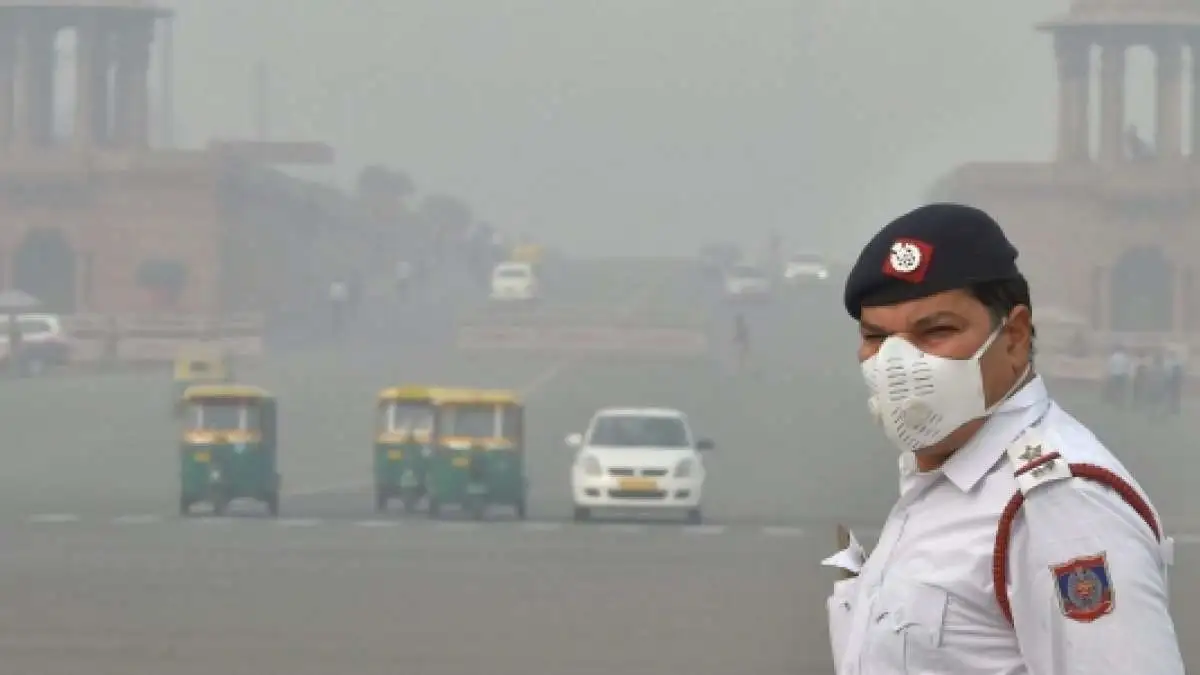
Delhi 2nd Most Polluted City status in January 2026 has once again raised serious concerns about air quality in the national capital. According to a monthly analysis released by the Centre for Research on Energy and Clean Air, Delhi ranked as the second most polluted city in India, just behind Ghaziabad. The report highlights the continued severity of winter air pollution in north India and shows that many cities are still failing to meet both national and global air quality standards.
Thank you for reading this post, don't forget to subscribe!The findings underline how dangerous air pollution remains during the winter months, especially in the National Capital Region. Despite various government initiatives and action plans, pollution levels remain far above safe limits.
PM2.5 Levels Far Above National Standards
In January 2026, Delhi recorded a monthly average PM2.5 concentration of 169 micrograms per cubic metre. This number is nearly three times higher than India’s National Ambient Air Quality Standards annual limit of 60 micrograms per cubic metre. The high level of fine particulate matter shows that the city’s air quality is still in a critical condition.
PM2.5 refers to very small particles in the air that are less than 2.5 micrometres in diameter. These particles are so tiny that they can enter deep into the lungs and even pass into the bloodstream. Long term exposure to high levels of PM2.5 can lead to serious health problems such as asthma, lung infections, heart disease, and other chronic illnesses.
The data revealed that fine particulate matter remained elevated for most of the month. This was mainly due to unfavourable weather conditions during winter, such as low wind speed and temperature inversion, which trap pollutants close to the ground. In addition to weather factors, constant emission sources like vehicle exhaust, industrial pollution, construction dust, and burning of waste continue to add to the problem.

Ghaziabad Tops the Pollution Ranking
While Delhi stood second, Ghaziabad ranked as the most polluted city in India in January 2026. Ghaziabad recorded an average PM2.5 concentration of 184 micrograms per cubic metre. The city breached the daily national standard on all 31 days of the month.
This shows that pollution is not limited to Delhi alone but affects the entire National Capital Region. The high levels in Ghaziabad and Delhi reflect a wider regional crisis that requires joint action by multiple states and agencies. Pollution does not stay within city boundaries, and air moves freely across regions, making coordinated efforts necessary.
Daily Air Quality and Health Risk
The analysis also provided details about the daily air quality categories experienced in Delhi during January. Out of 31 days, Delhi recorded 24 days in the ‘Very Poor’ category, three days in the ‘Severe’ category, two days in the ‘Poor’ category, and only two days in the ‘Moderate’ category.
According to the Central Pollution Control Board, an Air Quality Index between 301 and 400 is classified as ‘Very Poor’. An index reading above 400 falls under the ‘Severe’ category. Both these levels pose serious health risks to the public, especially children, elderly people, and those with existing health conditions.
When air quality reaches the severe level, even healthy individuals may experience breathing discomfort. People with lung or heart diseases may face worsening symptoms. Continuous exposure during winter months increases the risk of long term health damage.
National Trends Show Widespread Non Compliance
The report by the Centre for Research on Energy and Clean Air also highlighted a worrying national trend. Out of 248 cities monitored across India, 123 cities recorded monthly average PM2.5 levels above national standards. This means nearly half of the cities failed to meet the basic air quality requirements set by the country.
Even more concerning is the fact that none of the cities met the World Health Organization daily safe guideline for PM2.5, which is set at 15 micrograms per cubic metre. India’s annual standard of 60 micrograms per cubic metre is already much higher than the WHO recommendation, yet many cities are unable to meet even this less strict limit.
Cities covered under the National Clean Air Programme also showed limited improvement. The programme aims to reduce particulate matter pollution in selected non attainment cities, but the latest data suggests that stronger and more focused action is needed.
Policy Gaps and Need for Stronger Action
Experts from CREA have called for a renewed focus on PM2.5 and its precursor gases such as sulphur dioxide and nitrogen dioxide. These gases contribute to the formation of fine particles in the air. Without controlling these emissions from industries, power plants, and vehicles, it will be difficult to achieve long term improvement.
The report also stressed the importance of adopting stricter emission norms for industries and thermal power plants. Cleaner fuel use, better public transport systems, and control of construction dust are other important measures that need proper enforcement.
Another key suggestion is the adoption of an airshed based management approach. Instead of treating each city separately, this method looks at pollution across a larger region. Since air pollution travels across state borders, coordinated action among neighbouring states is necessary to reduce overall pollution levels.

Delhi 2nd Most Polluted City: Rising Public Concern Over Winter Pollution
The ranking of Delhi as the second most polluted city in January 2026 has once again brought public attention to the worsening winter air crisis. Residents continue to face health risks and reduced quality of life due to polluted air. Schools, offices, and outdoor activities are often affected during high pollution days.
Despite multiple plans and emergency measures introduced in recent years, the data shows that pollution levels remain dangerously high. Long term solutions, strict enforcement of environmental laws, and cooperation among central and state authorities will be important to bring meaningful change.
The latest findings serve as a reminder that air pollution remains one of the biggest environmental and public health challenges in India. Immediate and sustained action is essential to ensure cleaner air for millions of people living in Delhi and across the country.