Article 21 Safe Highway Travel Gains Legal Backing in India

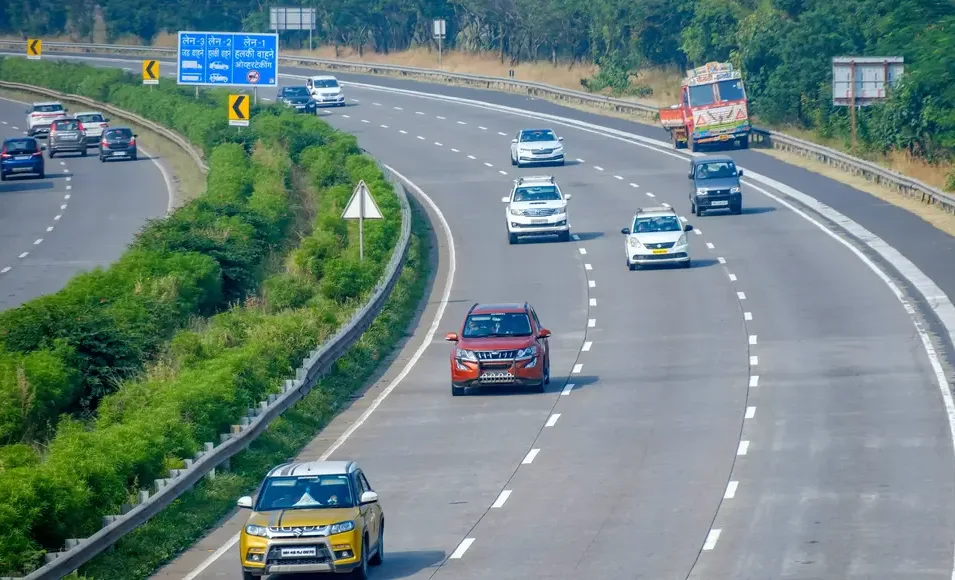
India has taken a strong step towards road safety as the Supreme Court of India declared that safe travel on highways is part of the Right to Life under Article 21 of the Constitution of India. This decision makes road safety a constitutional duty of the government, not just a policy issue.
Thank you for reading this post, don't forget to subscribe!Article 21 Safe Highway Travel and Constitutional Duty
The Court clearly stated that people have the right to travel safely without facing dangers like poor road conditions, illegal parking, or roadside encroachments. Under Article 21 Safe Highway Travel, authorities must ensure highways are properly maintained and free from hazards that can cause accidents.
Supreme Court’s View on Highway Accidents
A Bench of Justices J.K. Maheshwari and Atul S. Chandurkar highlighted that National Highways cover only a small part of India’s roads but are responsible for a large number of deaths. This shows serious gaps in safety and enforcement. The Court stressed that every preventable accident reflects failure in governance.
Ban on Encroachments Along Highways
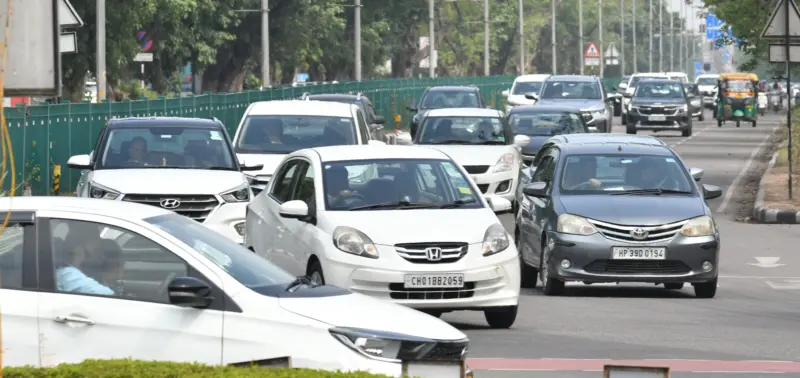
The Court ordered a strict ban on unauthorised dhabas, shops, and other structures on highway land. It directed that no new licences or approvals should be given without proper clearance from the National Highways Authority of India. Removing such encroachments will improve visibility and reduce accident risks.
Rules on Parking and Traffic Monitoring
To improve Article 21 Safe Highway Travel, the Court banned parking of heavy vehicles on highways except in designated areas. It also directed authorities to increase highway patrols, use drones for monitoring, and implement advanced traffic systems. These steps aim to ensure better control and safer travel conditions.
Emergency Services and Safety Measures
The Court stressed the need for quick emergency response on highways. Ambulances, cranes, and rescue teams must be placed at regular distances. District-level Highway Safety Task Forces will monitor safety measures and ensure that rules are followed properly.
Expanding the Meaning of Article 21
This ruling strengthens the scope of Article 21 by including safe travel as a basic right. It also increases responsibility on both Central and State governments to maintain safe infrastructure and prevent accidents. The decision sets a strong legal base for future road safety improvements across India.