


WHO Malaria Drug Newborns Approved for Infant Treatment

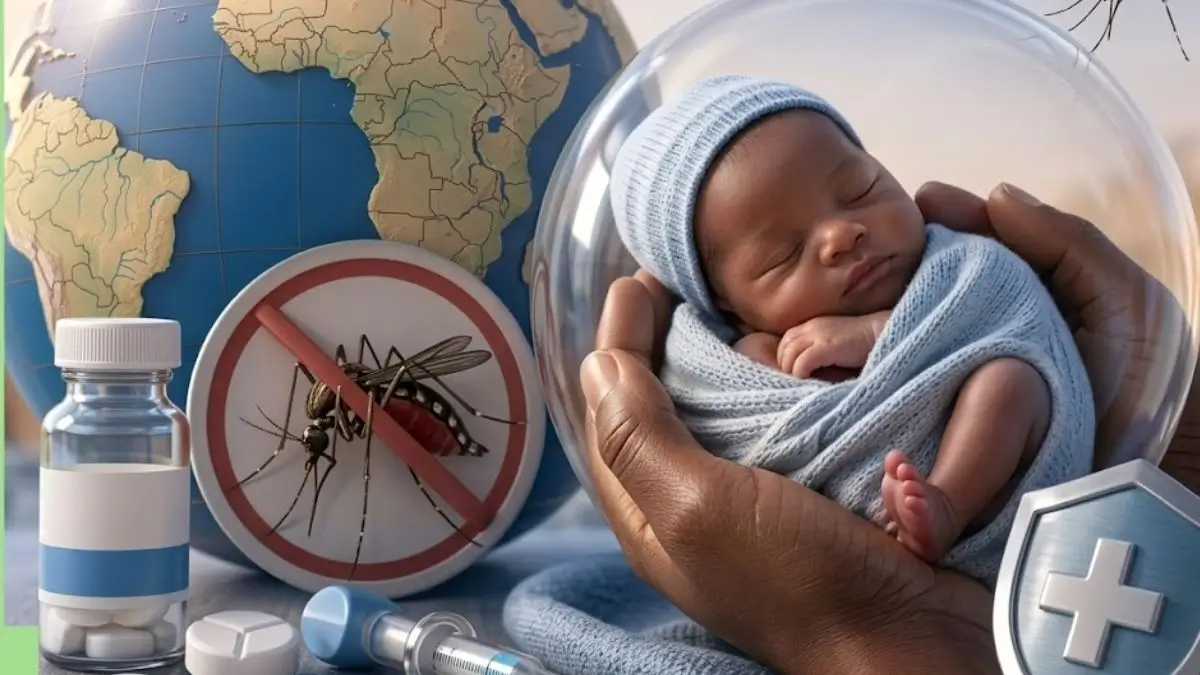
WHO Malaria Drug Newborns has marked a major breakthrough as the World Health Organization approved a new malaria medicine specially designed for newborns and infants. This step is important to protect the youngest children from one of the world’s most dangerous diseases.
Thank you for reading this post, don't forget to subscribe!First Malaria Treatment for Infants
The medicine, Artemether-lumefantrine, is the first treatment created only for newborns and small babies. Earlier, doctors used medicines made for older children. This often caused problems like wrong dosage and side effects. The new formula is safer and more effective for infants.
Why WHO Approval Matters
The approval under the WHO prequalification programme means the medicine meets global standards of safety, quality, and effectiveness. This allows governments and health agencies to buy and use it in public healthcare systems, especially in low-income countries.
Malaria Still a Big Threat
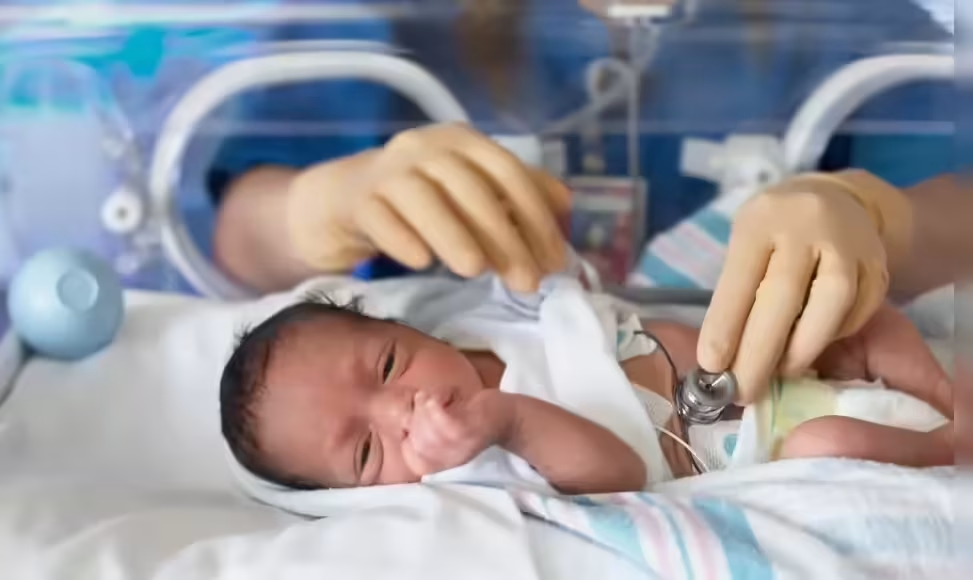
Malaria continues to be a serious health issue. In 2024, there were about 282 million cases and around 610,000 deaths worldwide. Sub-Saharan Africa faces the highest burden, with most cases reported there. Children under five years old are the most affected group, making better treatment options for infants very important.
WHO Malaria Drug Newborns: How Malaria Spreads
Malaria is caused by Plasmodium parasites and spreads through the bite of infected female Anopheles mosquitoes. Quick diagnosis and proper treatment are necessary to prevent severe illness and death.
Ongoing Challenges in Fighting Malaria
Experts warn that progress is slowing due to drug resistance, insecticide resistance, and limited funding. However, new vaccines, improved mosquito nets, and better medicines like this infant-specific treatment are helping in the fight against malaria.