


Cross Border E-Commerce Export Rules India

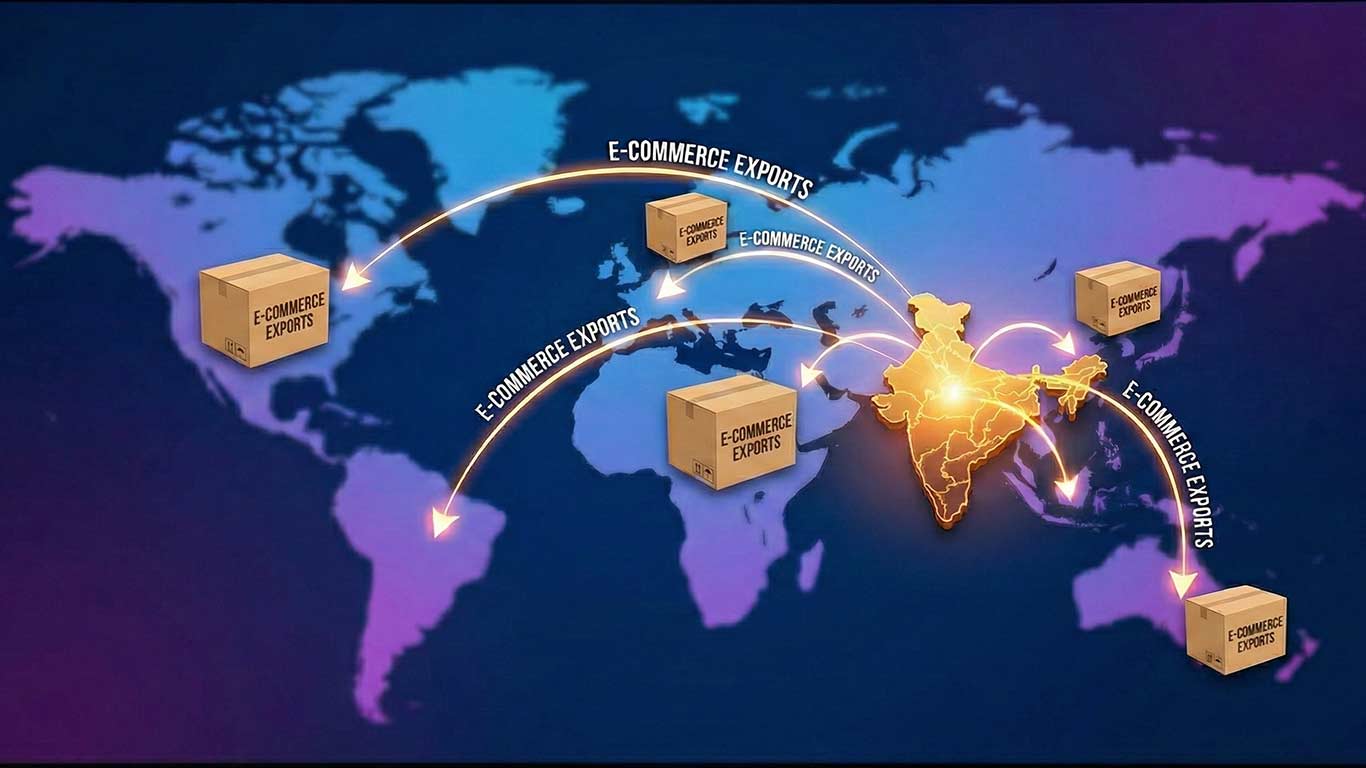
Cross Border E-Commerce Export Rules are shaping a new phase for India’s digital trade as the government introduces a structured system for online exports. In August 2026, new rules were put into effect to support businesses that sell goods to international buyers through online platforms. This move reflects how global trade is changing, with more companies using digital channels to reach customers around the world. The new framework is expected to make exports smoother, more transparent, and more accessible for Indian sellers.
Thank you for reading this post, don't forget to subscribe!A New Framework for Digital Exports Cross Border E-Commerce Export Rules
The government has introduced these rules to create a clear and organized system for cross-border e-commerce. The aim is to support businesses that want to export products without facing complex procedures. By setting clear guidelines, the government is trying to reduce confusion and make it easier for companies to operate in global markets. This step also aligns with India’s broader push to strengthen its position in international trade.
Understanding the Inventory-Based Model
One of the key features of the new rules is the inventory-based export model. In this system, companies can manage goods specifically for export purposes. However, they can only hold inventory when there is a confirmed order from an international buyer. This prevents unnecessary stock build-up and ensures that goods are produced or stored based on real demand. It also helps reduce waste and improve efficiency in supply chains.
Role of Exporter-on-Record and Sellers
The framework introduces the concept of an Exporter-on-Record, often called EOR. This entity acts as the main point responsible for exports. It works with Sellers-on-Record, who provide the goods. The EOR manages the process from start to finish, including documentation, shipping, and delivery. This structure allows smaller sellers to participate in global trade without handling complex export procedures on their own.
Focus on Export-Only Operations
The rules clearly state that this model is meant only for exports. Companies cannot use this system for domestic sales. This ensures that the focus remains on promoting Indian goods in international markets. By separating export operations from domestic retail, the government aims to maintain clarity and avoid misuse of the system.
Digital Tracking and Transparency
A major part of the framework is the use of digital systems for tracking goods. Companies are required to maintain records of their inventory and transactions in a digital format. This helps in ensuring transparency and accountability. It also allows authorities to monitor the movement of goods and verify that all rules are being followed.
Registration and Compliance Requirements
To operate under this system, companies must register with the appropriate authorities. This includes submitting required forms and providing details about their operations. Once registered, they must follow strict guidelines related to documentation, packaging, and shipping. These rules are designed to ensure that exports meet international standards and reach buyers without issues.
Responsibilities in the Export Process
The Exporter-on-Record carries several responsibilities. These include handling customs procedures, ensuring product quality, and meeting the requirements of the destination country. The EOR also manages logistics, which covers transportation and delivery. In case of returns or rejected goods, the EOR is responsible for reverse logistics. This ensures that the entire process is smooth and well-managed.
Payment and Financial Rules
The framework also sets clear rules for payments. Sellers must receive their share of export benefits within a fixed time. Payments for goods must be made quickly after they are accepted. These rules are important for maintaining trust between sellers and exporters. They also help small businesses manage their cash flow more effectively.
Support for MSMEs and Local Businesses
One of the main goals of these rules is to support small and medium-sized enterprises. Many MSMEs and artisans in India produce high-quality goods but struggle to reach global markets. With this new system, they can connect with international buyers more easily. This can lead to increased income and new growth opportunities for local businesses.
Link with Foreign Investment Policy
The new rules are connected to recent changes in foreign investment policy. The government has allowed certain types of e-commerce operations specifically for export purposes. This encourages foreign investment while ensuring that the benefits go towards boosting exports. It creates a balanced approach that supports both domestic and international players.
Difference from Traditional E-Commerce Models
Traditional e-commerce models often focus on connecting buyers and sellers without handling inventory directly. In contrast, the new system allows for controlled inventory management for exports. This makes it more structured and reliable for international trade. It also ensures that goods are handled professionally from the point of origin to delivery.
Growing Importance of Digital Trade
Digital trade is becoming a major part of the global economy. More consumers are shopping online, and businesses are adapting to this trend. India is also focusing on strengthening its digital infrastructure to support this growth. The new export rules are a step in this direction, helping businesses take advantage of global demand.

Challenges and Opportunities Ahead
While the new framework offers many benefits, it also requires businesses to adapt to new processes. Companies need to invest in digital systems and understand compliance requirements. At the same time, the opportunities are significant. With proper implementation, Indian businesses can expand their reach and compete in global markets.
Impact on India’s Trade Growth
These rules are expected to contribute to India’s overall export growth. By making it easier for businesses to sell internationally, the government is opening new avenues for trade. This can strengthen the country’s economy and create more jobs. It also positions India as a key player in the global digital trade landscape.