


Police Excess Probe: Supreme Court Forms Panel

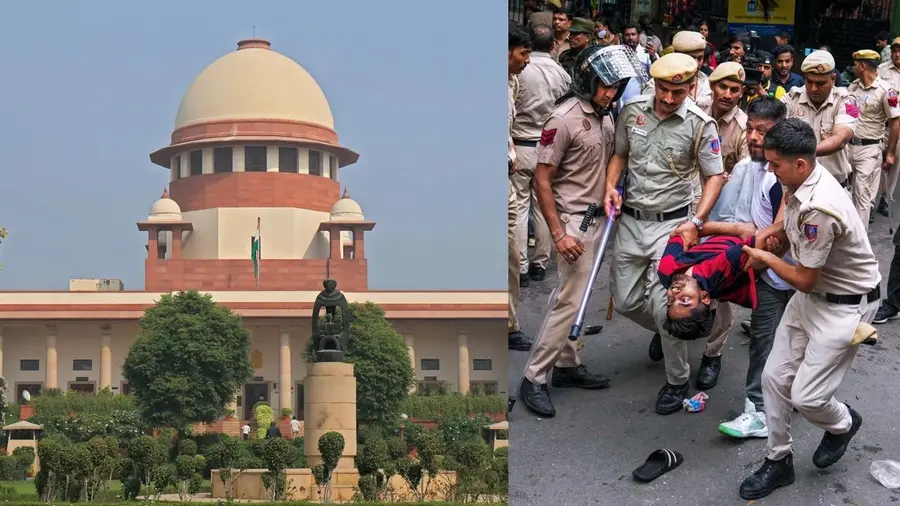
Police Excess Probe has been ordered by the Supreme Court of India after the court constituted a five-member High-Powered Enquiry Committee (HPEC) to independently examine allegations surrounding police action during student protests in Delhi and other parts of India. The committee will look into allegations of excessive force against protesters as well as claims of violence against police personnel. The development was reported on August 20, 2026.
Thank you for reading this post, don't forget to subscribe!Five-Member Committee to Examine the Protests
The committee is headed by former Supreme Court judge Justice R. Subhash Reddy. Its other members are former Punjab and Haryana High Court Chief Justice Ravi Shankar Jha, former Delhi High Court judge Justice Shalinder Kaur, former CBI Director Rishi Kumar Shukla and retired Meghalaya Director General of Police Dr L.R. Bishnoi.
The Supreme Court has asked the panel to carry out an independent fact-finding exercise. The inquiry is not limited to allegations against the police. It will also examine allegations of violence by protesters and injuries suffered by police and security personnel during the demonstrations.
Focus on July 20 Student Demonstration
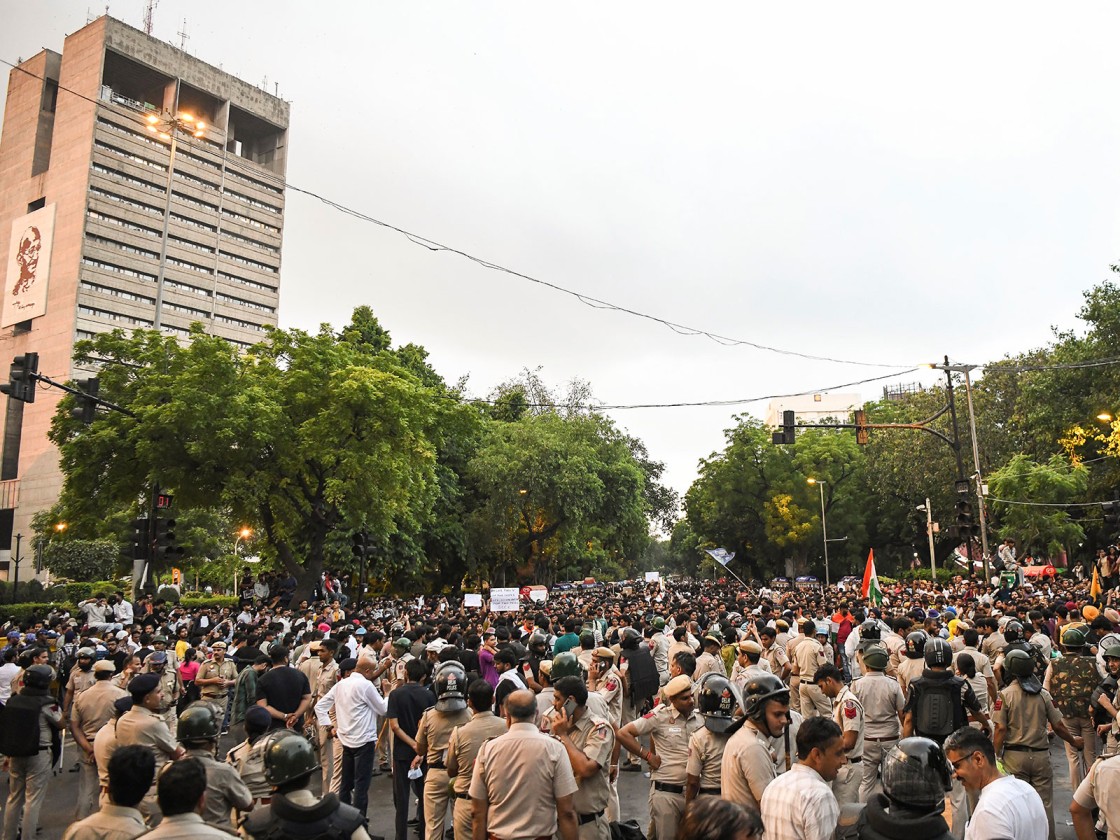
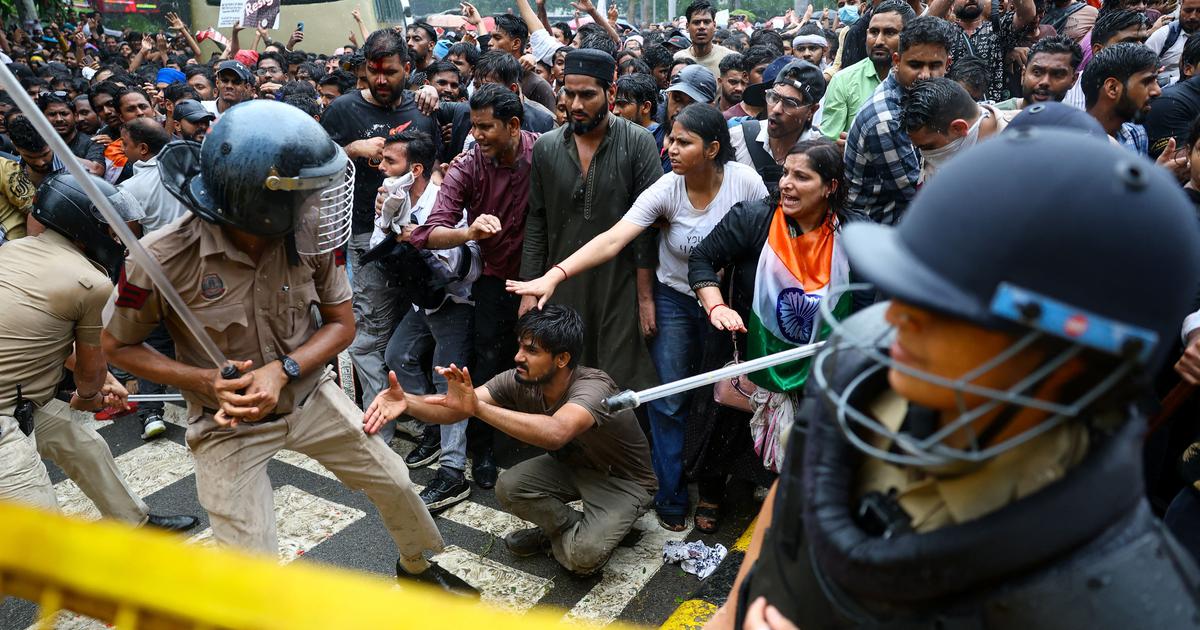
The immediate focus is the student-led demonstration at Jantar Mantar in New Delhi on July 20, 2026, when protesters attempted to march towards Parliament. The protests were connected to concerns about examination paper leaks and other issues related to the education system.
The demonstrations reportedly led to clashes after protesters attempted to cross security barricades. Allegations were subsequently made about the use of tear gas, baton charges and other crowd-control measures. The Supreme Court has now asked the committee to independently examine what happened and whether the actions taken by security personnel were appropriate and proportionate.
Allegations Involving Female Protesters
One of the committee’s priority areas is the allegations of targeted violence, harassment and molestation involving female protesters. The court has asked the committee to examine these allegations at the earliest.
The issue had already come before the Supreme Court in July, when petitions alleged excessive police action against students participating in demonstrations. The court had also directed the preservation of important evidence connected with the protests.
Police Use of Force Under Review
The Police Excess Probe will examine whether the force used during the demonstrations was justified and proportionate to the circumstances. Crowd-control methods reportedly used during the incidents included lathi charges, tear gas and other measures.
The court’s wider approach is significant because it is looking at the conduct of both sides. While allegations of police excesses will be investigated, claims concerning attacks on police officers and security personnel will also form part of the inquiry. This is intended to give the investigation a broader picture of what happened during the demonstrations.
In earlier proceedings, Chief Justice Surya Kant had observed that peaceful protest is constitutionally protected and that merely holding an agitation does not by itself justify excessive police action. At the same time, the court has stressed the importance of discipline and the safety of police personnel and other people during demonstrations.
Evidence to Be Preserved
The Supreme Court has also placed importance on preserving digital and visual evidence. Earlier directions in the case covered CCTV recordings, drone footage, body-worn camera recordings, wireless communication records and PCR logs related to the protests. Such material can help establish what happened at different locations and times during a rapidly changing public gathering.
Preserving this evidence is particularly important when different groups provide conflicting accounts of an incident. Video recordings, communication records and other material can allow the committee to compare statements with events captured at the scene.
Earlier Relief for Detained Minors
The Supreme Court had also issued directions concerning students detained during the protests. In July, the court directed the release of minors detained in connection with the demonstrations, subject to the court’s conditions, including the absence of criminal antecedents. It also directed that coercive action against eligible student protesters should not be taken while the matter was being considered.
These earlier directions formed part of the court’s broader response to complaints about the handling of the protests and the treatment of students.
Committee to Submit Periodic Findings
The Supreme Court has indicated that the HPEC’s work should not be treated as a one-time exercise. The committee has been asked to conduct continuous and periodic assessment and submit interim findings rather than waiting only for one final report.
This approach could allow the court to receive updates while the investigation is continuing. It also gives the panel an opportunity to examine evidence, hear different sides and report its findings in stages.
Wider Debate Over Protest and Public Order
The case comes amid a wider discussion about the right to protest, public safety and the responsibilities of law-enforcement agencies. Public demonstrations are an important part of democratic life, but authorities also have responsibilities to maintain public order and protect people, including protesters, police officers and ordinary citizens.
The Supreme Court’s decision to create an independent panel places the events under closer judicial scrutiny. The committee’s findings will help clarify the circumstances surrounding the July protests and the conduct of both protesters and security personnel.