


International Space Station in Nobel Peace Prize Race

International Space Station is among the names being discussed ahead of the announcement of the 2026 Nobel Peace Prize. The ISS has been included on the updated list of potential contenders published by the Peace Research Institute Oslo (PRIO). The Norwegian Nobel Committee is scheduled to announce the 2026 Peace Prize on October 9 in Oslo.
Thank you for reading this post, don't forget to subscribe!International Space Station and Global Cooperation
The International Space Station is a large research facility in low Earth orbit and has been continuously occupied since November 2000. It is a joint project involving space agencies from the United States, Russia, Europe, Japan and Canada.
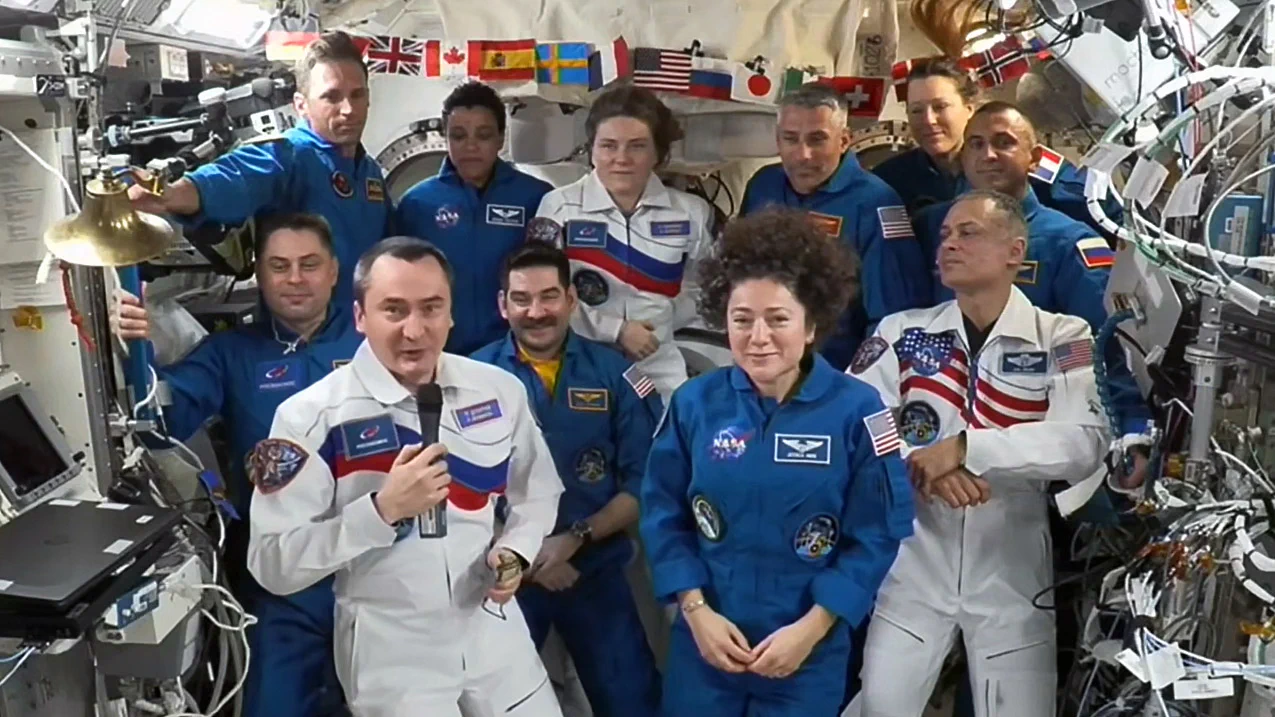
For more than two decades, astronauts and researchers from different countries have worked together aboard the station. The ISS has supported scientific research, technology development, human spaceflight studies and experiments in microgravity.
Its international structure has made the station an example of cooperation between countries in a field that requires long-term planning, shared resources and technical coordination.
Why the ISS Is Being Discussed for the Nobel Peace Prize
The ISS has been included in the 2026 list prepared by Haakon Gjerløw, acting director of the Peace Research Institute Oslo. PRIO’s updated list includes five potential contenders, with the International Space Station being one of them.
PRIO’s explanation focuses on the role of international rules and cooperation. According to the institute, the ISS partnership has demonstrated for more than 25 years that countries with geopolitical differences can continue working together on a shared and peaceful project.
The discussion comes at a time when international cooperation in space is becoming increasingly important. Space activities are expanding, while more countries and private companies are developing satellites, spacecraft and other space technologies.
Connection With the Outer Space Treaty
The cooperation behind the ISS is also connected with the broader international framework for peaceful activities in space. PRIO has linked the station’s partnership with the Outer Space Treaty, which established common rules for how countries should conduct activities in outer space.
The treaty was developed during the Cold War period, when the United States and Soviet Union were major rivals. The ISS partnership later demonstrated how former geopolitical competitors could cooperate in scientific and technological activities.
This history is one reason the station has attracted attention in discussions about international cooperation and peace.
Nobel Peace Prize Announcement on October 9
The Norwegian Nobel Committee will announce the 2026 Nobel Peace Prize on Friday, October 9, in Oslo. The Nobel Peace Center has confirmed that the announcement will take place at a press conference at the Norwegian Nobel Institute.
The official Nobel nomination process is confidential. Names submitted as nominations are normally not publicly confirmed by the Norwegian Nobel Committee. Therefore, the ISS being mentioned by PRIO should be understood as a potential contender highlighted by an independent research institute, not as an official announcement that it has been nominated or selected.
Other Names in the 2026 Discussion
The 2026 Peace Prize discussion includes a wide range of individuals and organisations. PRIO’s updated list includes Mykola Kuleba and Save the Children, Sudan’s Emergency Response Rooms, the Committee to Protect Journalists, the International Court of Justice and the International Criminal Court, along with the International Space Station.
These names reflect different areas of international work, including child protection, humanitarian response, journalism, international law and cooperation.
The ISS Has a Long History of Cooperation
The International Space Station was assembled through cooperation between several space agencies and partner countries. Its construction and operation required the sharing of spacecraft, laboratories, equipment, technical expertise and crew resources.
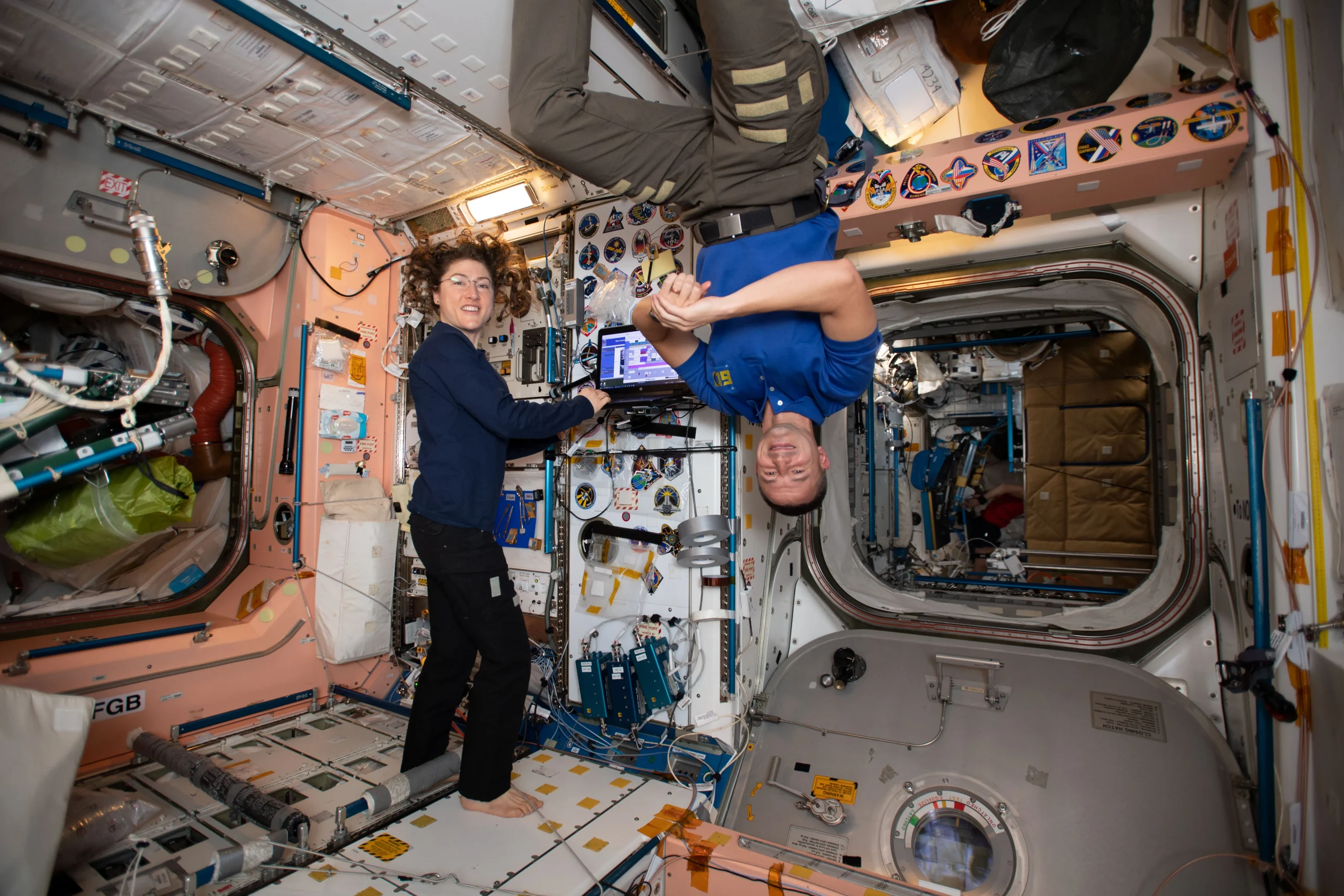
Astronauts from different countries have lived and worked together on the station. Research conducted there has contributed to knowledge about human health, biology, physics, Earth observation and other areas of science.
The station has therefore served not only as a research laboratory but also as a long-running example of international scientific collaboration.
Future of the Space Station
The ISS is approaching the later stage of its operational life. PRIO noted that the station is expected to be decommissioned in the early 2030s, while space is becoming more crowded and increasingly commercialised.
At the same time, several countries and private companies are working on future space stations and commercial space laboratories. The experience gained from the ISS could influence how international cooperation develops in the next generation of human spaceflight.
The possibility of recognising the ISS partnership with the Nobel Peace Prize has therefore brought attention to the wider role of cooperation in space at a time when the sector is entering a new phase.