



NASA Swift Telescope Rescue Mission Ends

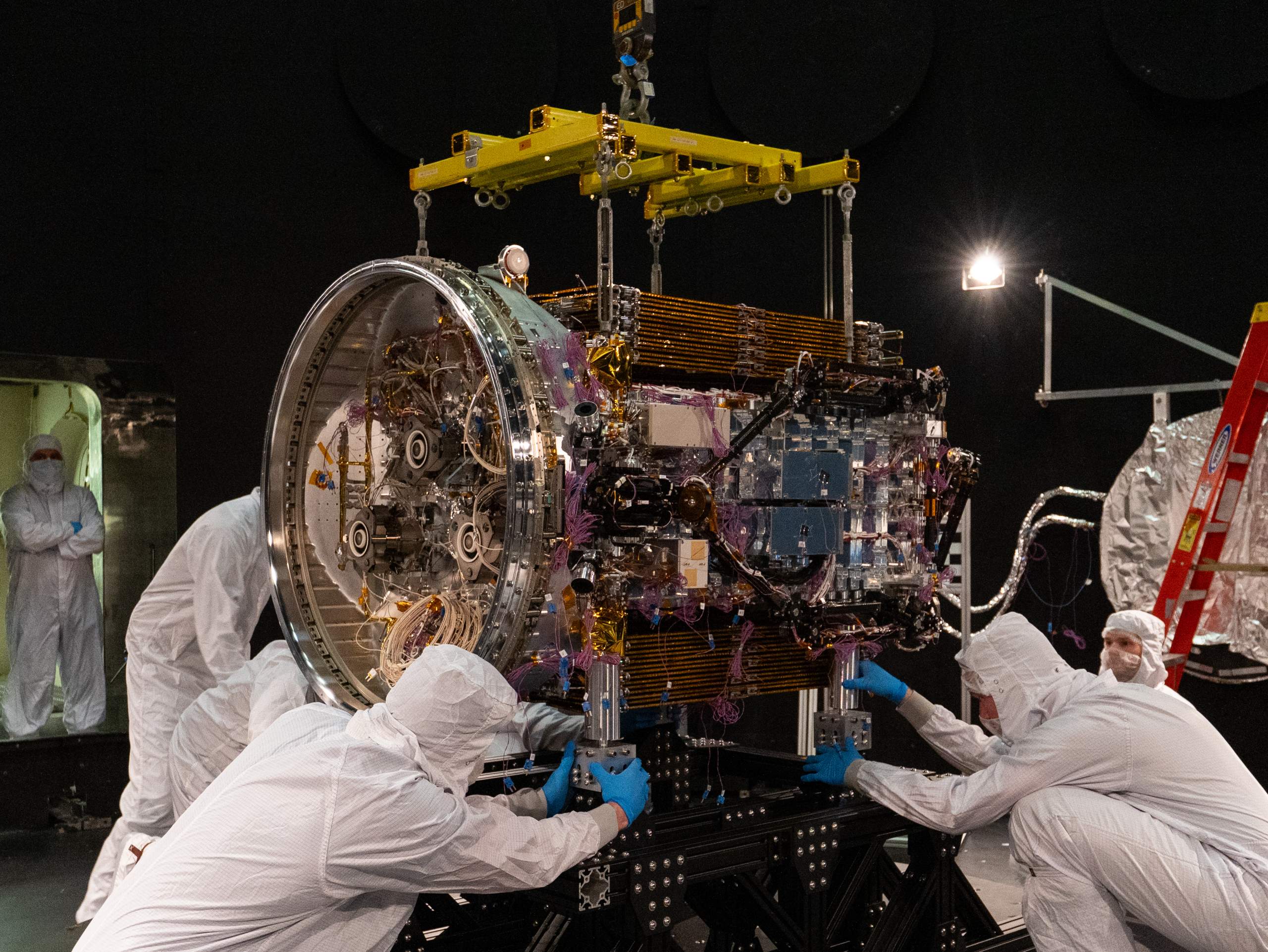
NASA Swift Telescope rescue mission has been cancelled after repeated technical problems affected the spacecraft sent to capture and raise the observatory’s orbit. NASA and Katalyst Space Technologies ended the main rescue plan on 19 August 2026 after engineers were unable to restore stable control of the rescue spacecraft. The mission had aimed to extend the working life of the Neil Gehrels Swift Observatory, which has spent more than two decades studying powerful cosmic events.
Thank you for reading this post, don't forget to subscribe!The Neil Gehrels Swift Observatory was launched on 20 November 2004. It was designed to quickly detect gamma-ray bursts and study other high-energy events in the universe. Gamma-ray bursts are among the most powerful explosions observed in space and can release enormous amounts of energy. Over its long mission, Swift has observed around 1,800 cosmic explosions and has made an important contribution to astronomy and space science.
NASA Swift Telescope and Its Long Space Mission
The NASA Swift Telescope was developed as a rapid-response space observatory. When its instruments detect a gamma-ray burst, the telescope can quickly turn towards the source and collect further information. This ability has helped scientists study short-lived and distant cosmic events that are difficult to observe from Earth.
The observatory was originally placed in low Earth orbit. However, its orbit has gradually become lower over time because of atmospheric drag. Before the rescue mission was abandoned, Swift was orbiting about 347 kilometres above Earth. As the orbit continues to decay, the observatory is expected to eventually re-enter Earth’s atmosphere.
NASA had explored a new approach to extend Swift’s mission by using a commercial spacecraft servicing operation. This project became an important example of the growing role of private companies in supporting and servicing satellites already operating in space.
Commercial Rescue Plan for Swift Observatory
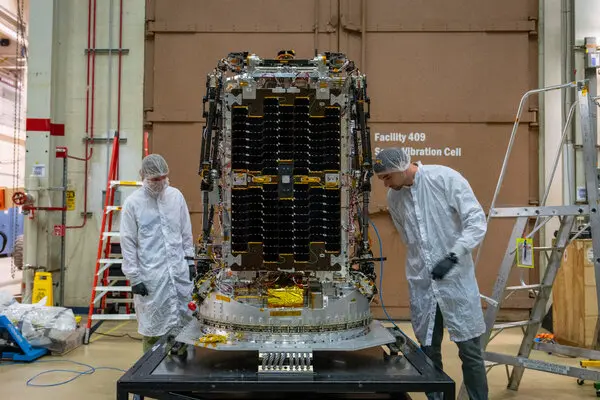
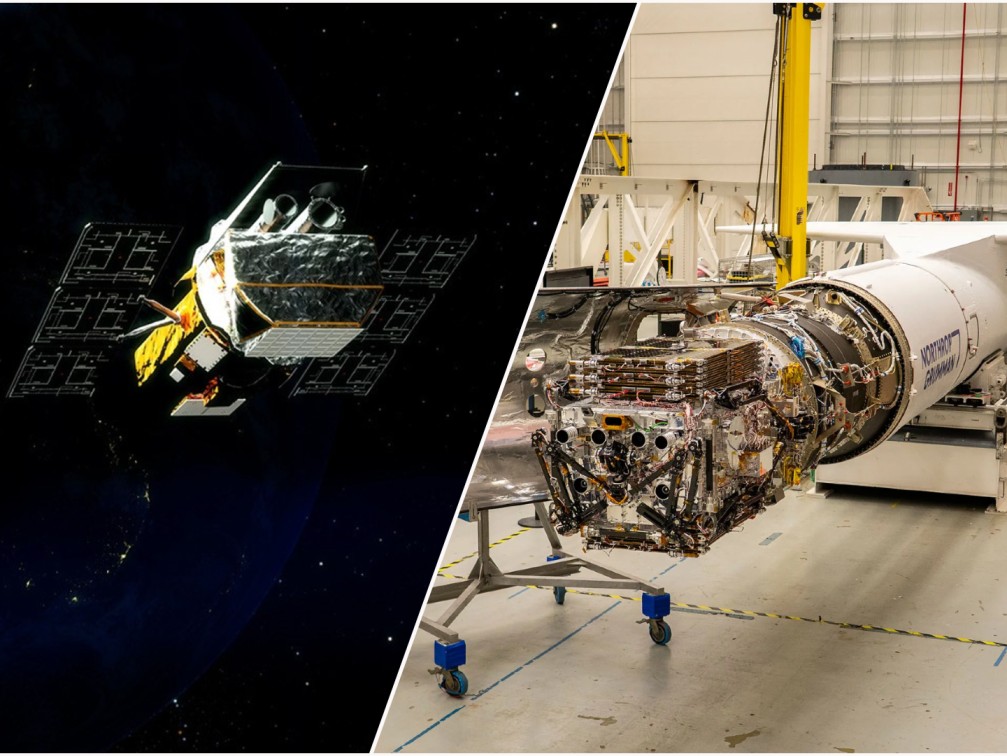
In September 2025, NASA awarded a contract worth $30 million to Katalyst Space Technologies for a mission to raise the orbit of the Swift Observatory. The company developed a robotic spacecraft called Lightweight In-Space Navigation and Kinematics, or LINK.
The plan was for LINK to approach the Swift Observatory, capture it safely and then increase its orbit. Raising the observatory’s orbit could have allowed it to remain in space for a longer period and continue scientific observations.
LINK was launched on 3 July 2026 aboard a Northrop Grumman Pegasus XL rocket from Kwajalein Atoll in the Pacific Ocean. The mission attracted attention because successful spacecraft servicing could open new possibilities for extending the life of satellites and other valuable space assets.
Control Problems Force Mission Cancellation
The rescue mission faced a major problem on 28 July 2026 when LINK experienced a critical attitude-control failure and entered a multi-axis spin. Attitude control is the system used to maintain the correct direction and position of a spacecraft in space.
Engineers worked to solve the problem and uploaded new attitude-control software on 11 August. The update helped slow the spacecraft’s spin, but LINK continued to face difficulties with pointing and positioning.
These problems made a safe approach and docking operation increasingly difficult. By 19 August 2026, NASA and Katalyst decided to cancel the main capture and reboost mission. Continuing with an unstable spacecraft could have created additional risks during the close operation near the Swift Observatory.
What Happens Next for the NASA Swift Telescope?
Although the main rescue plan has ended, the LINK spacecraft is still expected to carry out limited operations near the observatory. NASA Administrator Jared Isaacman said the spacecraft would attempt rendezvous and proximity operations to gather useful technical information.
This work could provide valuable data for future missions involving satellite servicing, robotic spacecraft operations and close approaches in orbit. Even though LINK will not capture and raise Swift’s orbit, engineers may still learn from its systems and the mission’s technical challenges.
The Swift Observatory is now expected to continue losing altitude and eventually re-enter Earth’s atmosphere. Current estimates suggest that re-entry may happen later in 2026, possibly no earlier than October. The exact timing will depend on changing atmospheric conditions and the rate of orbital decay.
Swift’s Legacy in Space Science
The end of the rescue mission does not reduce the scientific importance of the Swift Observatory. During more than 20 years in space, it has helped scientists investigate gamma-ray bursts and many other high-energy phenomena across the universe.
The mission also highlights the challenges of maintaining older spacecraft and the growing interest in commercial space servicing. As more satellites and observatories remain active in orbit, future technologies may focus on repairing, refuelling, moving or safely removing spacecraft.
The NASA Swift Telescope rescue attempt has therefore become an important development in the current space technology landscape. While the original plan to save and reboost the observatory could not be completed, the experience may still support future advances in robotic spacecraft servicing and orbital operations.