


India Russia Summit: Nuclear Cooperation Gains Momentum

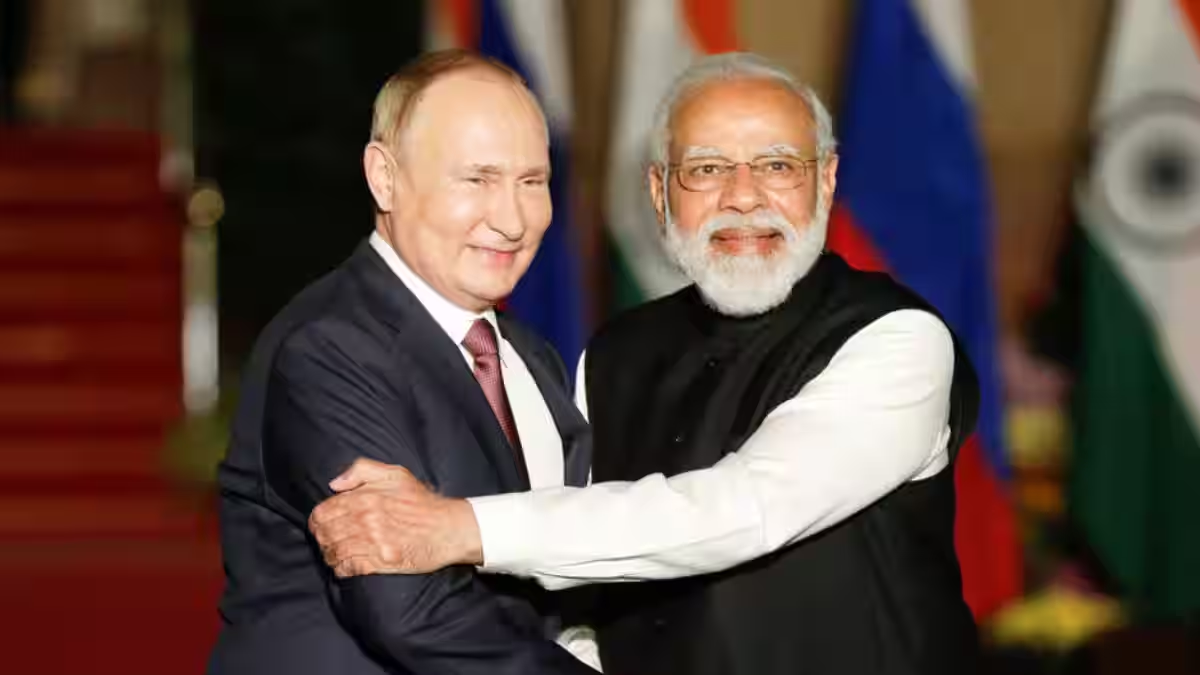
India Russia summit preparations are underway as both nations gear up to deepen their civil nuclear cooperation at the upcoming annual meeting. This summit is expected to highlight next-generation technologies, progress at the Kudankulam Nuclear Power Plant (KNPP), and new avenues for collaboration in small and modular reactors (SMRs). As India pursues long-term energy security and clean-energy goals, Russia remains a major strategic partner capable of supporting its nuclear expansion from large reactors to advanced modular systems. The discussions in this summit will help chart the next phase of nuclear cooperation between the two countries, with strong focus on innovation, localisation, and future-ready reactor designs.
Thank you for reading this post, don't forget to subscribe!India Russia Summit: Focus on Next-Generation Nuclear Technologies
A key highlight of the India Russia summit will be the emphasis on SMRs and advanced nuclear technologies that can reshape energy production in the coming decades. Rosatom’s director general recently held discussions with India’s atomic energy leadership in Mumbai, where both sides outlined potential areas of enhanced cooperation. The meeting explored the joint development of SMRs, which are increasingly gaining global attention due to their cost-effective and highly scalable design.
SMRs offer flexible deployment options, making them suitable even for regions with limited grid capacity. Their modular construction method allows for quicker installation and reduced financial risk. Enhanced safety mechanisms, smaller footprints, and the ability to tailor power output to regional demands are among the reasons SMRs are viewed as a transformative technology in the nuclear sector. At the India Russia summit, these technologies are expected to take centre stage, reflecting a shared vision for innovation-driven energy transition.
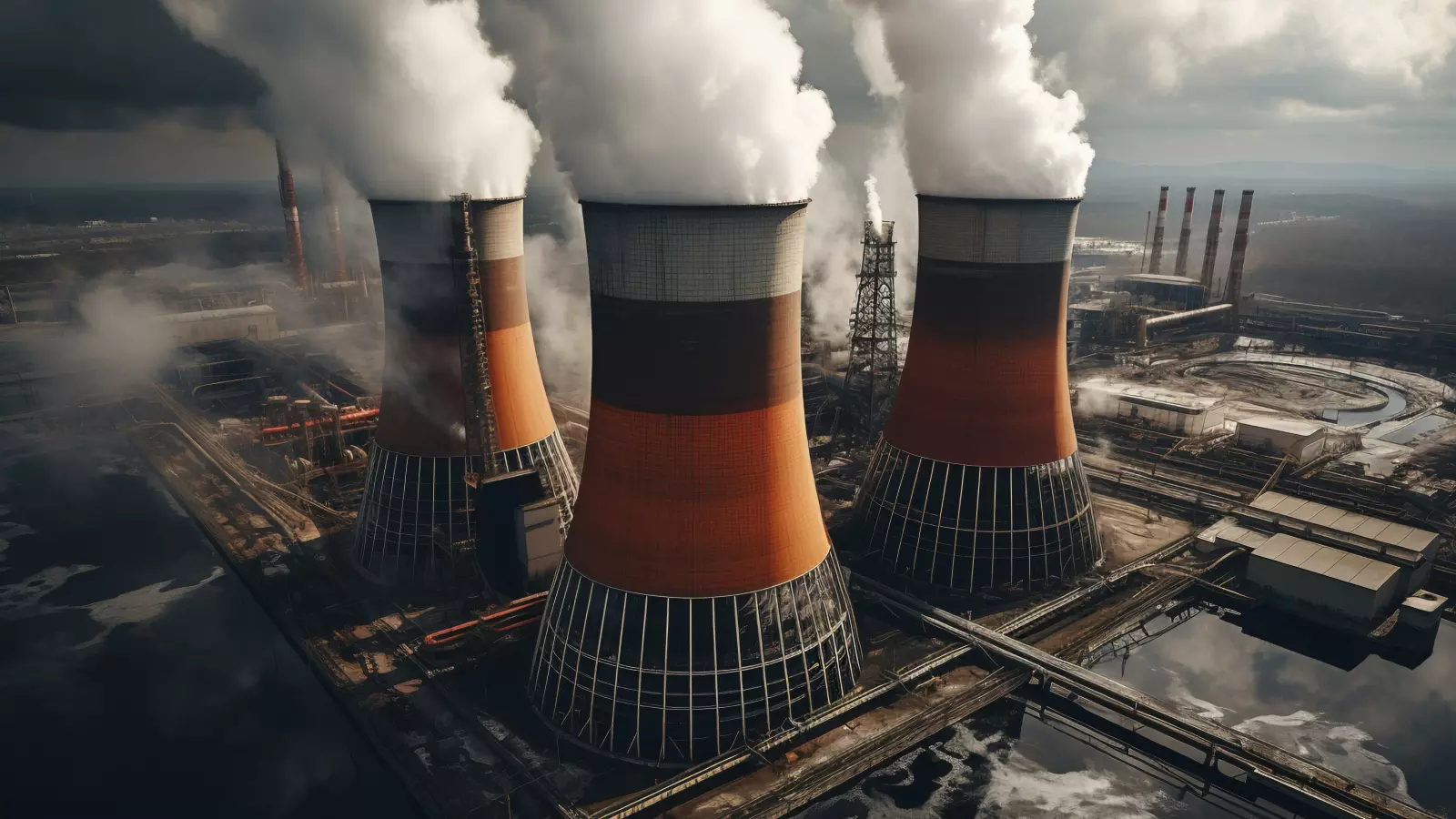
The meeting also covered possibilities for collaboration in fuel-cycle technologies. These discussions span enriched fuel supply, waste management solutions, and research-based initiatives aimed at improving reactor efficiency and long-term sustainability. As both nations recognise the strategic value of nuclear energy in future energy architectures, this summit will likely strengthen cooperation across the entire nuclear fuel cycle.
Kudankulam Nuclear Power Plant: Steady Progress and Future Milestones
The Kudankulam Nuclear Power Plant (KNPP), India’s largest operational nuclear facility, continues to serve as the backbone of India–Russia nuclear cooperation. Units 1 and 2 are already operational and supply a significant share of electricity to southern India. Over the years, Kudankulam has become a symbol of bilateral technological collaboration, demonstrating how large-scale civil nuclear projects can advance through coordinated planning, shared expertise and mutual trust.
As the India Russia summit approaches, progress at KNPP is expected to be a pivotal topic of discussion. Unit 3 has now reached the pre-commissioning stage, with safety system tests scheduled as the next major milestone. Unit 4 is also moving steadily forward, with key construction phases underway. Meanwhile, Units 5 and 6 part of the ambitious third phase of the project continue to advance through equipment delivery, installation and early-stage construction activities.
The consistent development at KNPP reinforces the reliability of Russia as a long-term partner in India’s nuclear infrastructure building. The summit is likely to outline upcoming roadmaps, timelines and strategic goals to accelerate KNPP’s next phases, ensuring timely power generation and enhanced national grid stability.
Expanding Nuclear Cooperation Beyond Kudankulam
While Kudankulam remains central to India–Russia nuclear engagement, both nations are now exploring opportunities beyond the flagship project. The India Russia summit is expected to feature discussions on diversification into new SMR projects, especially in regions where traditional large reactors may not be feasible due to grid limitations or geographical constraints.
Joint research initiatives are also high on the agenda, with both sides recognising the value of developing high-efficiency reactor designs that can cater to future energy needs. The potential for joint manufacturing capabilities is another strong component of the broader collaboration strategy. Increasing localisation of nuclear equipment in India is a major priority, as it would reduce project costs, strengthen domestic expertise, and optimise supply chains for future nuclear expansions.
The summit will likely highlight shared aspirations to transition beyond single-site collaborations and move toward a wider ecosystem of nuclear partnerships spanning research, design, manufacturing and deployment.
Strategic Importance for Bilateral Energy and Geopolitical Relations
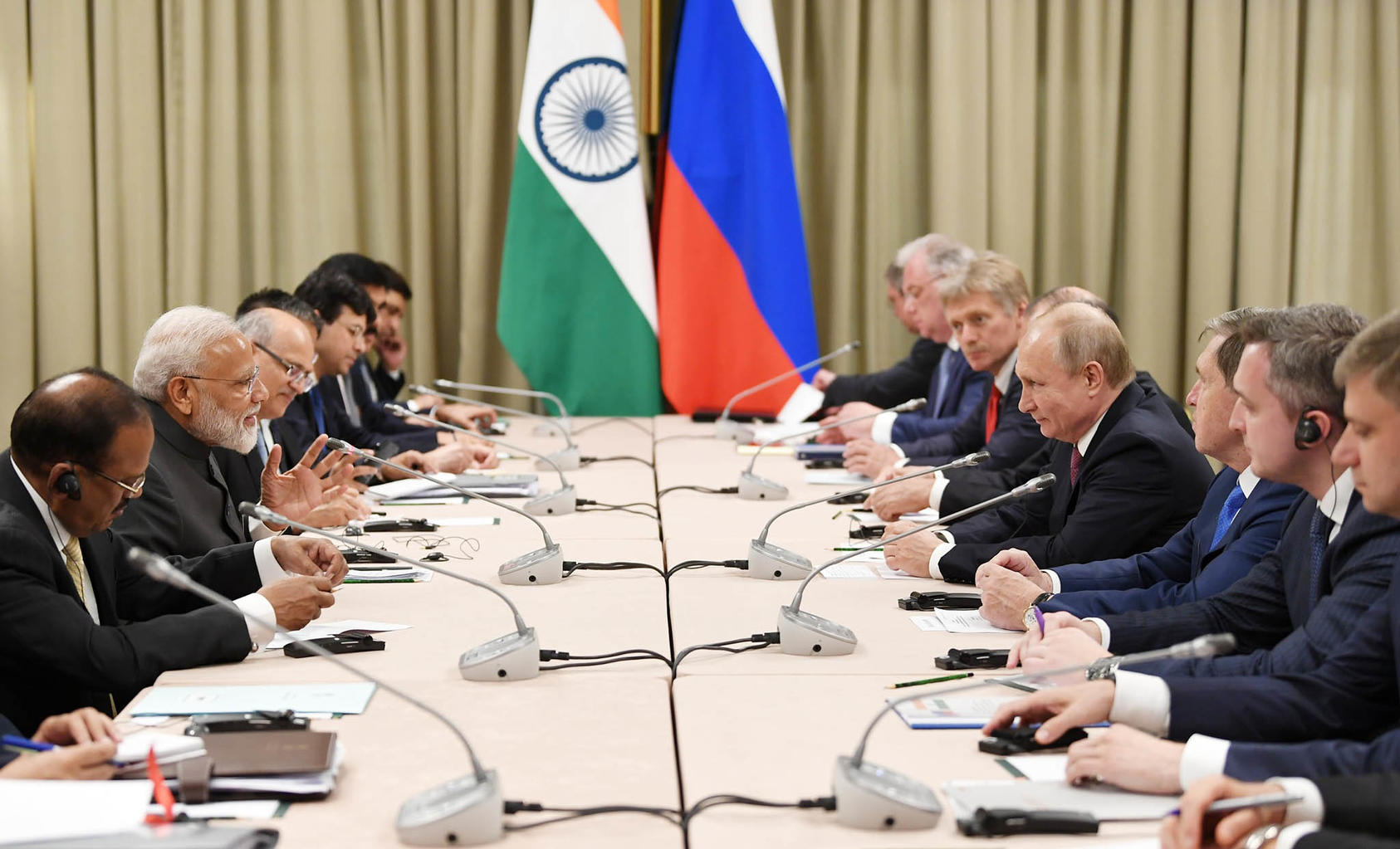
The India Russia summit carries strategic significance that goes beyond nuclear technology. For India, nuclear energy is an essential pillar of its long-term clean energy and energy security strategy. With rising electricity demand and commitments to reduce carbon intensity, nuclear power presents a stable and carbon-neutral source of large-scale generation.
Russia, with its strong expertise in reactor technology, fuel supply, and nuclear construction, is positioned to remain an important partner in India’s future nuclear ambitions. From supporting large-scale plants like Kudankulam to collaborating on advanced modular systems, the bilateral relationship is evolving to match the needs of a dynamic global energy environment.
The December summit is expected to reaffirm nuclear cooperation as a central pillar of India–Russia strategic ties. Both nations are prepared to define a broader roadmap that aligns with shifting global energy trends, geopolitical dynamics, and technological advancements.
As the world seeks cleaner, safer, and more reliable energy solutions, India and Russia are poised to strengthen their position through a renewed nuclear partnership one that blends innovation with long-term strategic vision.