



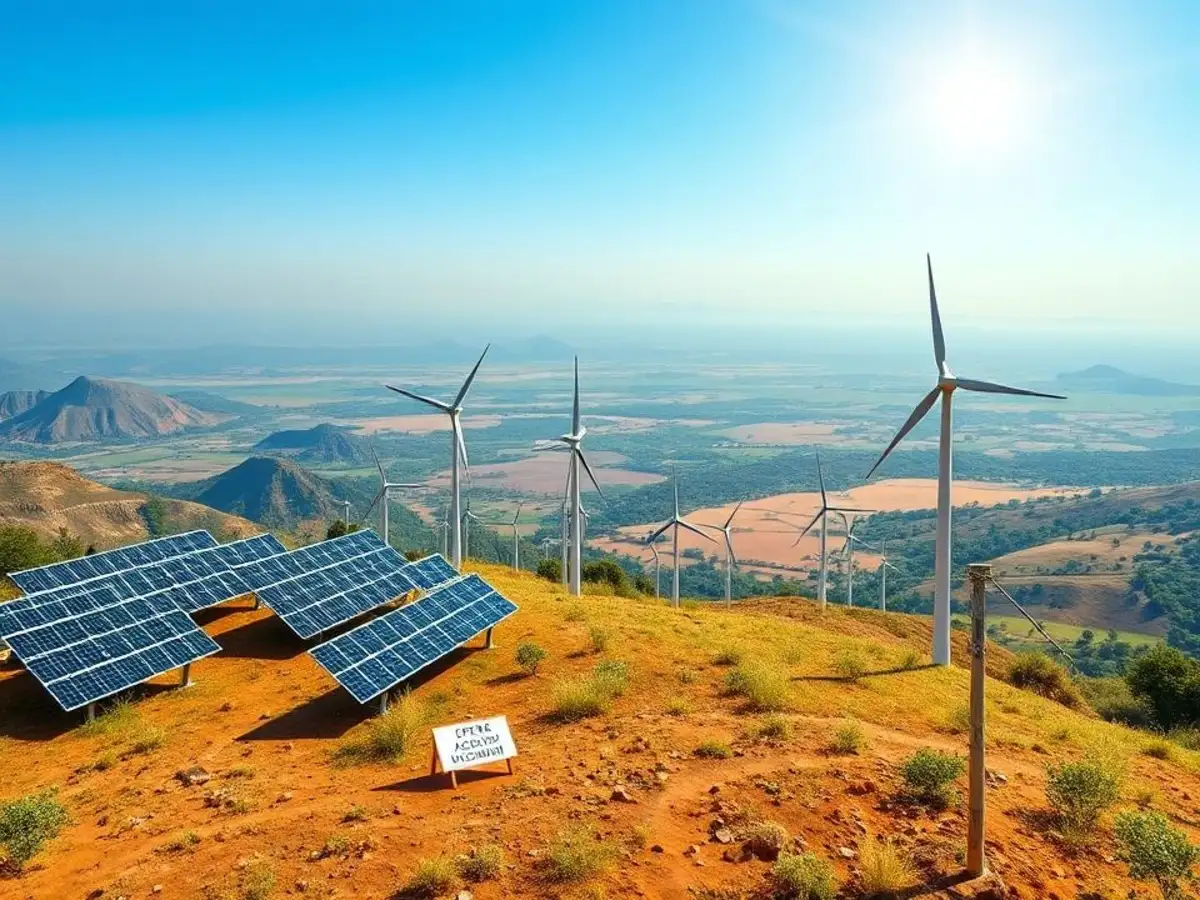
India Power Capacity: 874 GW Target by 2032

India Power Capacity is expected to grow rapidly over the next few years as the country plans to increase its total installed electricity generation capacity to 874 GW by 2031-32. This ambitious expansion is part of India’s long-term energy strategy to meet rising electricity demand while increasing the share of clean energy. As of 30 June 2026, India’s installed power generation capacity stood at 548.86 GW, showing steady progress in building a stronger and more reliable power system.
Thank you for reading this post, don't forget to subscribe!The latest plan focuses on expanding renewable energy, thermal power, energy storage, and transmission networks. With electricity demand increasing due to industrial growth, urban development, electric vehicles, and digital infrastructure, India is investing heavily in modernizing its power sector.
Installed Power Capacity Continues to Grow
Installed power capacity refers to the maximum amount of electricity that power plants can produce under normal conditions. India’s electricity system includes power generated from coal, hydroelectric projects, nuclear plants, solar parks, wind farms, and other renewable energy sources.
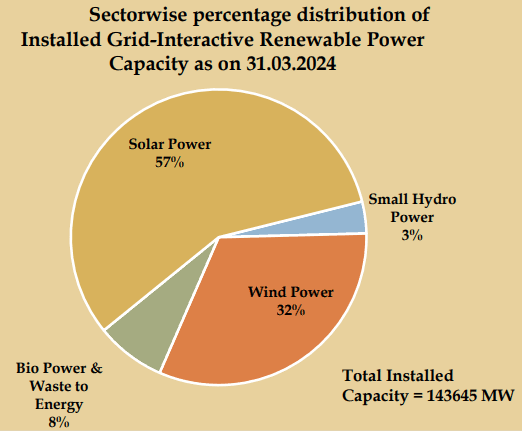
The country has continued to diversify its energy mix over the past few years. According to the latest figures, non-fossil fuel sources now account for 54.18% of India’s installed power capacity, surpassing the national target of achieving 50% before 2030. This milestone reflects the rapid expansion of solar and wind energy projects across several states.
Renewable Energy Plays a Bigger Role India Power Capacity
Renewable energy remains one of the fastest-growing parts of India’s power sector. Large solar parks, rooftop solar systems, wind farms, and hybrid renewable projects are being developed across the country.
The government is also promoting clean energy through various policies, financial support, and private sector investments. The growth of renewable energy helps reduce dependence on fossil fuels while supporting India’s climate goals.
As renewable energy production depends on sunlight and wind conditions, energy storage has become an important part of maintaining a stable electricity supply.
Thermal and Nuclear Projects Remain Important India Power Capacity
Although renewable energy is expanding quickly, thermal power continues to play a major role in ensuring uninterrupted electricity supply. India plans to add at least 80 GW of new coal-based thermal power capacity by 2031-32.
Between April 2023 and June 2026, more than 21 GW of coal-fired capacity was commissioned, while several additional projects remain under construction.
Hydroelectric and nuclear power projects are also part of the expansion plan. These energy sources provide stable electricity generation and help balance the increasing contribution from renewable energy.
Energy Storage Supports Clean Power India Capacity
Energy storage is becoming essential as India increases the use of solar and wind power. Storage systems help save excess electricity generated during peak production and supply it when demand increases.
As of early August 2026, projects under construction include 15,870 MW of pumped storage capacity and 15,754 MW of battery energy storage systems.
Battery storage technology has received growing attention worldwide because it improves grid stability and supports the integration of renewable energy. India is also encouraging investments in advanced battery manufacturing as part of its clean energy transition.
Expansion of Transmission Network
Generating electricity is only one part of the power system. It also needs a strong transmission network to deliver electricity across the country.
India plans to add nearly 191,474 circuit kilometres of transmission lines between 2022-23 and 2031-32. In addition, the country aims to increase transformation capacity by around 1,274 GVA, allowing electricity to move more efficiently between different parts of the national grid.
These upgrades will improve power reliability, reduce congestion, and help connect new renewable energy projects located in remote regions.
Lower Power Losses Improve Efficiency
India has also made progress in improving the efficiency of electricity distribution. Aggregate Technical and Commercial (AT&C) losses have declined significantly over recent years.
Lower transmission and distribution losses mean that more generated electricity reaches homes, businesses, and industries instead of being lost during delivery or through billing inefficiencies. This improvement strengthens the overall performance of the country’s electricity sector.
Rising Electricity Demand Drives Future Investments
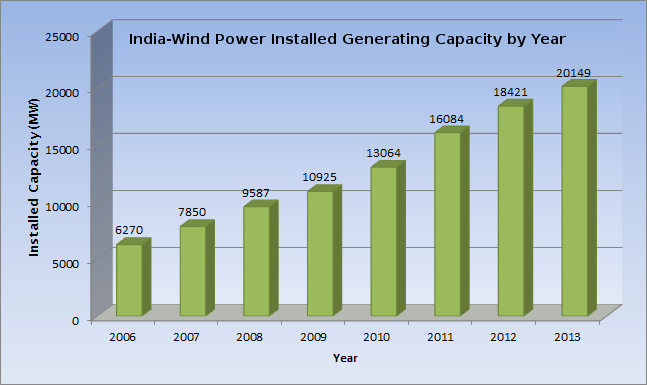
India’s electricity demand continues to rise because of economic growth, expanding manufacturing, digital services, electric mobility, and increasing household consumption. New data centres, metro rail systems, and industrial corridors are also contributing to higher power requirements.
To meet future demand while supporting cleaner energy production, India is investing in renewable power, thermal plants, battery storage, smart grids, and modern transmission infrastructure. The planned increase to 874 GW of installed power capacity by 2031-32 reflects the country’s broader effort to build a reliable, diversified, and future-ready energy system.