


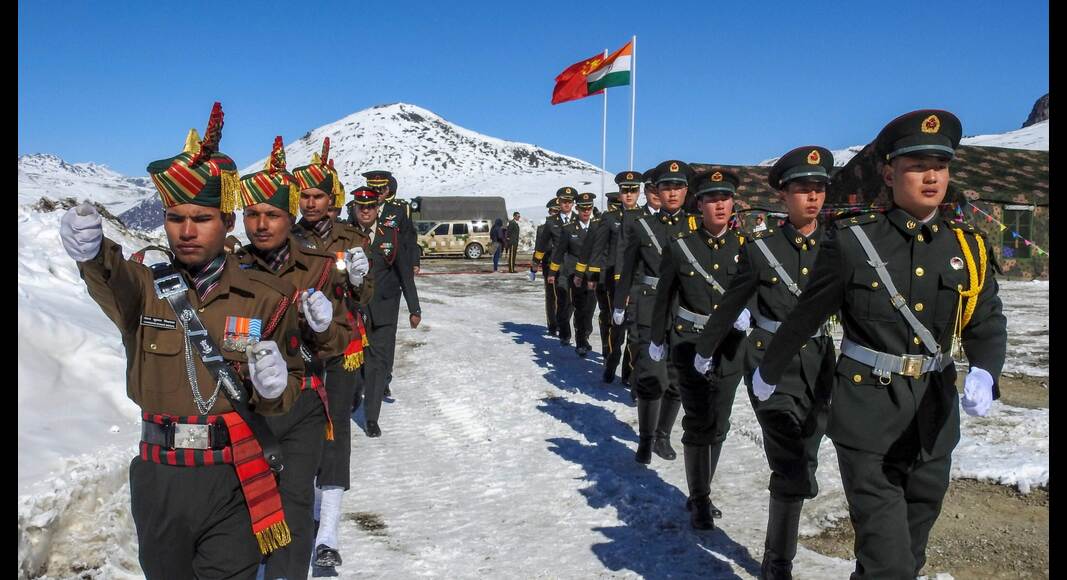
India-China Border Talks in Beijing

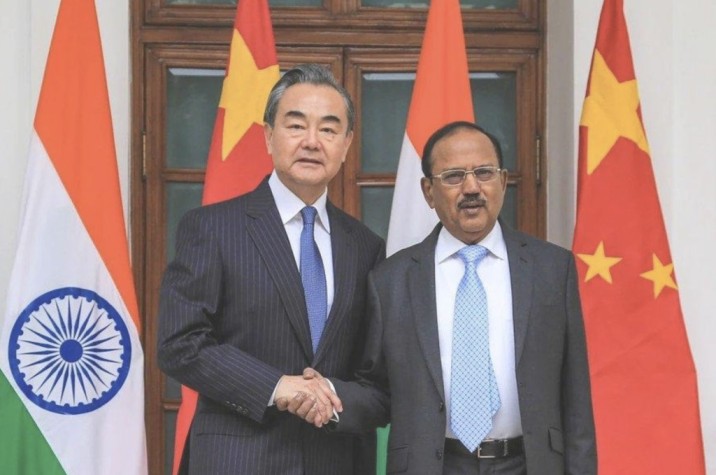
India-China Border Talks are set to enter an important new phase as the two countries hold the 25th round of Special Representatives discussions in Beijing on August 25, 2026. India’s National Security Advisor Ajit Doval is visiting Beijing for the high-level meeting, while Chinese Foreign Minister Wang Yi is expected to represent China as its Special Representative.
Thank you for reading this post, don't forget to subscribe!The meeting comes at a time when India and China are continuing diplomatic efforts to improve communication and maintain peace along their long and disputed border. Relations between the two Asian neighbours have faced several challenges in recent years, especially after tensions in eastern Ladakh. However, regular diplomatic meetings and military-level discussions have continued to play an important role in managing differences.
The latest round of talks is being closely watched because India and China are two major Asian powers with strong economic, political, and regional influence. Better communication between the two countries could have an impact on regional stability, trade, security, and cooperation through international platforms.
Special Representatives Mechanism Between India and China
The Special Representatives mechanism is a high-level diplomatic system created to discuss the long-standing India-China boundary question. The talks began in 2003 and have since provided a platform for senior representatives from both countries to discuss difficult border-related issues.
Ajit Doval is representing India in the latest discussions in his role as National Security Advisor. Wang Yi is expected to co-chair the meeting for China. The participation of senior officials shows the importance both countries attach to direct dialogue.
These discussions are different from regular diplomatic meetings because they focus specifically on finding ways to manage and eventually address the complex boundary issue. The process also allows both sides to discuss peace and stability in areas near the frontier.
The Long-Standing India-China Boundary Issue
The boundary between India and China remains unresolved in several areas. The issue involves the western, middle, and eastern sectors of the border. Areas connected with Ladakh, Himachal Pradesh, Uttarakhand, Sikkim, and Arunachal Pradesh are part of the broader geographical and political context of the boundary discussions.
The differences have developed over many decades and are linked to different historical maps, territorial claims, and interpretations of the boundary. Because of this complexity, the issue requires long-term dialogue and careful diplomatic engagement.
Both countries have large populations, growing economies, and important strategic interests. This makes border stability especially important. Any major tension can affect local communities, security arrangements, diplomatic relations, and wider regional confidence.
Recent Diplomatic Developments
The previous, 24th round of Special Representatives talks was held in August 2025. That meeting resulted in common understandings on several aspects of the boundary differences. The 25th round is expected to continue discussions on improving communication and maintaining stability.
Relations between India and China changed significantly after the military clash in eastern Ladakh in 2020. The incident led to increased security concerns and a long period of military and diplomatic engagement. Since then, both sides have worked through various channels to manage the situation and reduce tensions in sensitive areas.
The 2026 talks take place as India continues its wider engagement with major global and regional partners. India and China are also connected through multilateral groups and international discussions on issues such as climate change, global trade, energy security, and the changing world economy.
Focus on Border Peace and Communication
According to the available information, the Beijing meeting will focus on communication regarding the boundary question and maintaining peace in frontier areas. Strong communication is important because misunderstandings or sudden developments along the border can quickly create tension.
The discussions may also help both countries identify areas where cooperation and regular contact can reduce the risk of future problems. Diplomatic engagement does not immediately solve every disagreement, but it provides an important channel for dialogue.
Ajit Doval is also expected to meet Chinese Vice President Han Zheng during his visit. Such high-level meetings can help both countries discuss broader aspects of their relationship beyond the boundary issue.
Why the Beijing Talks Matter
The 25th round of India-China Border Talks highlights the continued importance of diplomacy between the two countries. Despite differences and past tensions, both sides are maintaining official communication through established channels.
The outcome of the discussions could influence future diplomatic engagement between New Delhi and Beijing. With Asia playing an increasingly important role in global politics and the economy, stable relations between India and China remain important for the wider region.
The Beijing meeting is another step in the ongoing effort to manage differences through dialogue and maintain stability along one of the world’s most sensitive international borders.