



India-GCC FTA launch: India and Gulf Bloc Sign Terms of Reference to Begin Free Trade Talks

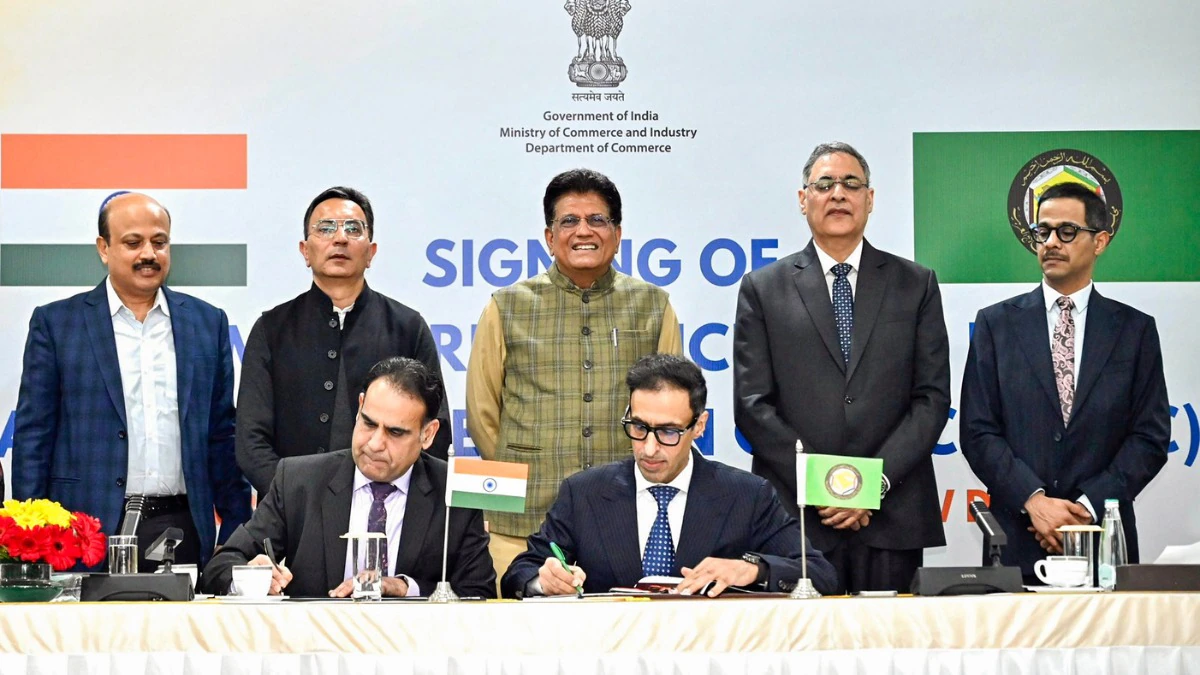
The India-GCC FTA launch marks a major step in strengthening economic ties between India and the six-member Gulf Cooperation Council (GCC). India has officially signed the Terms of Reference (ToR) with the GCC, opening the door for structured negotiations toward a comprehensive free trade agreement. This development comes at a time when global trade faces uncertainty due to geopolitical tensions and shifting supply chains. By moving ahead with the agreement, both sides are showing their commitment to deeper cooperation and long-term economic partnership.
Thank you for reading this post, don't forget to subscribe!The GCC includes Bahrain, Kuwait, Oman, Qatar, Saudi Arabia and the United Arab Emirates (UAE). Together, these countries form one of India’s most important regional trading blocs. The signing of the ToR is not the final agreement, but it sets the formal framework for negotiations. It clearly outlines the scope, structure and working process that will guide discussions between the two sides.
What the Terms of Reference Signify
The Terms of Reference play a crucial role in the India-GCC FTA launch process. They define how the negotiations will be conducted and what issues will be discussed. This includes tariff reduction, market access, customs procedures, regulatory cooperation and possible investment rules. With the ToR in place, both sides can now begin structured and focused talks instead of informal discussions.
The ToR ensures that the negotiation process is clear and time-bound. It helps avoid confusion and allows both parties to move forward with a shared understanding. This step reflects serious intent from both India and the GCC countries to achieve a balanced and mutually beneficial trade agreement.
GCC’s Importance in India’s Trade Landscape
The GCC holds a central position in India’s global trade network. It accounts for more than 15 percent of India’s total global trade, making it India’s largest regional trading partner. India’s exports to the GCC are valued at nearly $57 billion. These exports include food products, engineering goods, textiles, chemicals, machinery and services.
On the other hand, India imports goods worth around $122 billion from the GCC. A major portion of these imports consists of crude oil, natural gas and petrochemicals. The Gulf region plays a vital role in meeting India’s energy needs. This strong trade relationship shows how closely linked the economies are.
Over the past five years, bilateral trade between India and the GCC has grown at an average annual rate of about 15 percent. This steady growth highlights the region’s strategic economic importance for India. The India-GCC FTA launch is expected to further increase this trade volume and create new business opportunities.
Key Sectors Expected to Benefit
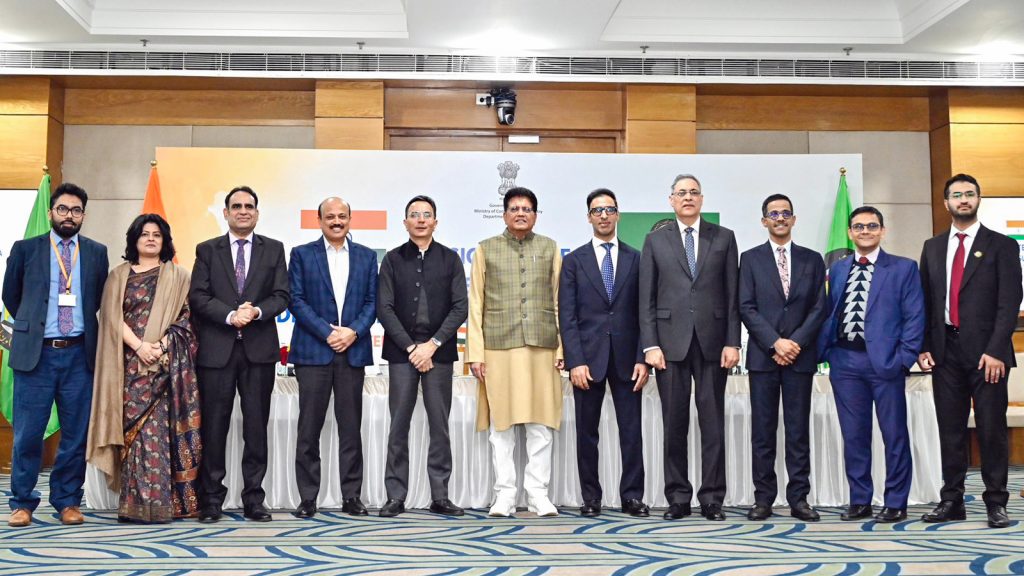
Commerce and Industry Minister Piyush Goyal has stated that the proposed agreement will build on the already strong economic relationship. The focus will be on expanding trade and investment in several priority sectors.
Food processing is one important area. With rising demand for food products in Gulf countries, Indian exporters may gain better market access. Infrastructure is another promising sector, as GCC countries continue to invest in large development projects. Indian companies with expertise in construction and engineering could benefit from easier entry into these markets.
Petrochemicals and energy cooperation will remain significant, given the region’s strength in oil and gas production. Information and communication technology (ICT) and services are also expected to be key areas. India’s strong IT and digital services industry can find expanded opportunities in Gulf markets under a free trade framework.
Mobility issues, including visa arrangements for Indian workers and professionals, are likely to be discussed. Millions of Indians live and work in GCC countries, contributing to both economies. Improved mobility rules could support skilled professionals, service providers and businesspersons.
Investment flows are another major focus. The agreement may encourage greater investment from sovereign wealth funds and private investors in the Gulf into Indian infrastructure, technology and manufacturing sectors.
Background of Earlier Talks
The India-GCC FTA launch revives an earlier negotiation process that had stalled. India and the GCC had started discussions on a free trade agreement in the past. However, talks were suspended when the GCC decided to pause all its external trade negotiations.
Momentum returned after India signed a comprehensive trade agreement with the UAE. That agreement strengthened bilateral ties and showed that meaningful trade deals with Gulf countries were possible. However, since the GCC operates as a bloc, consensus among all six members took time. The signing of the ToR now signals that the bloc is ready to move forward collectively.
This renewed push also fits into India’s broader trade strategy. In recent years, India has signed or negotiated several free trade agreements with complementary economies. The aim is to boost exports, strengthen supply chains, ensure energy and food security, attract foreign investment and generate employment.
Strategic and Economic Significance
The India-GCC FTA launch is not only about trade numbers. It also has strategic importance. The Gulf region is vital for India’s energy security and hosts a large Indian diaspora. Stronger economic ties can lead to deeper political and strategic cooperation.
In a global environment marked by trade disruptions and shifting alliances, building reliable economic partnerships is crucial. A comprehensive free trade agreement with the GCC could reduce tariffs, simplify trade procedures and improve transparency. This would make it easier for businesses on both sides to operate and expand.
For India, greater access to Gulf markets can help diversify export destinations and reduce dependence on a few regions. For the GCC countries, closer ties with a fast-growing economy like India can open up new opportunities in manufacturing, services and technology collaboration.
Looking Ahead After the India-GCC FTA Launch
With the Terms of Reference signed, formal negotiations are expected to begin soon. Both sides will work through detailed discussions on tariffs, services, investment and regulatory standards. The process may take time, as it involves balancing the interests of multiple countries and sectors.
However, the India-GCC FTA launch has clearly set the direction. It reflects a shared vision of expanding economic cooperation and building a stronger partnership. If successfully concluded, the agreement could become one of India’s most significant trade deals in recent years, shaping the future of India-Gulf economic relations.