


Iran Gas Reserve Discovery

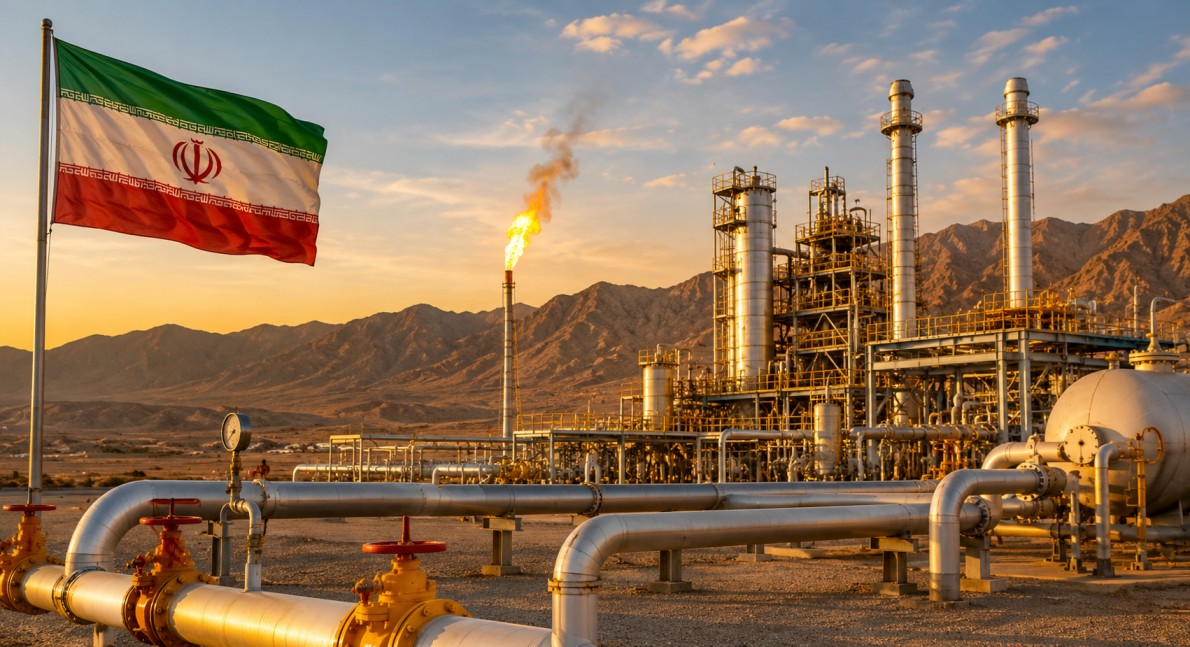
Iran Gas Reserve discovery has brought fresh attention to the country’s energy sector after Iran announced a major new natural gas field in Fars Province on 23 August 2026. According to the reported details, the newly discovered field contains more than 7.5 trillion cubic feet of natural gas, which is equal to around 212.4 billion cubic metres. Of this total amount, about 5.7 trillion cubic feet is estimated to be commercially recoverable.
Thank you for reading this post, don't forget to subscribe!The discovery comes at a time when natural gas continues to play an important role in global energy markets. Countries around the world are trying to balance energy security, rising electricity demand, industrial growth and the transition towards cleaner sources of energy. Iran already has one of the world’s largest natural gas reserves, and this new discovery could further strengthen its position in the global energy sector.
A Major Gas Discovery in Fars Province
The newly announced gas field is located in Fars Province in southern Iran. The region is part of the wider Zagros Basin, which is known for its rich hydrocarbon resources. Iran has been developing oil and gas resources across several southern and western regions for many years.
The discovery of more than 7.5 trillion cubic feet of gas is significant because of the large amount that may be recovered for commercial use. Around 5.7 trillion cubic feet of the total reserve is estimated to be extractable under suitable technical and economic conditions.
However, the actual development of a gas field usually takes time. After a discovery is announced, companies and government agencies need to carry out further studies, prepare production plans, build infrastructure and assess the costs involved. Pipelines, processing facilities and transportation systems are also necessary before large-scale production can begin.
What Is Sweet Natural Gas?
The Iran Gas Reserve has been described as containing “sweet gas.” This term is used in the natural gas industry to describe gas with a relatively low level of hydrogen sulphide.
Natural gas with a high level of hydrogen sulphide is called sour gas and usually needs more treatment before it can be safely transported and used. Hydrogen sulphide is a toxic compound and can create technical and safety challenges during production.
Sweet gas generally requires less processing compared with sour gas. This can make the development and use of the resource easier, although every gas field has its own technical and economic conditions.
The discovery also highlights the importance of technology in the energy industry. Modern exploration methods, geological studies and advanced drilling techniques are helping countries identify new energy resources and better understand underground reservoirs.
Gas Condensate Adds More Value
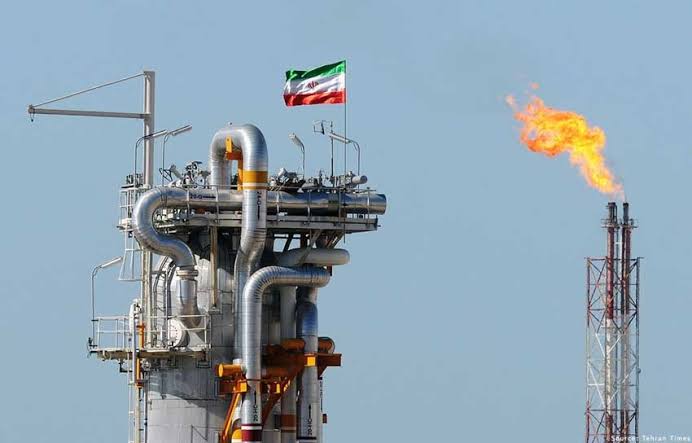
Another important feature of natural gas fields is the possible presence of gas condensate. Gas condensate is a liquid hydrocarbon that separates from natural gas when pressure and temperature change during production.
This means some gas fields can produce both natural gas and valuable liquid hydrocarbons. These liquids can be used in petroleum processing and other industrial activities.
The reported recovery rate for the new Iranian field is estimated at around 72% to 73%. This figure represents the expected share of the total gas resource that could potentially be recovered for commercial production.
A high recovery estimate can make a discovery more attractive, but actual production depends on many factors, including technology, infrastructure, investment and market conditions.
Iran’s Important Position in the Global Gas Sector
Iran is already one of the world’s biggest holders of natural gas resources. The country has nearly 34 trillion cubic metres of proven natural gas reserves, placing it behind Russia among the world’s largest reserve holders.
Iran is also a member of the Gas Exporting Countries Forum, an international organisation that brings together major gas-producing nations. Natural gas has become an increasingly important part of global energy discussions as countries look for reliable supplies to meet growing energy needs.
Energy security remains a major international issue in 2026. Changes in global supply chains, regional tensions, rising electricity demand and the growth of data centres and industries have increased attention on oil, gas and renewable energy resources.
For countries with large natural gas reserves, new discoveries can create opportunities for domestic energy supply, industrial development and future export planning.
Discovery Follows Earlier Pazan Field Announcement
The latest Iran Gas Reserve discovery follows another important energy announcement made by Iran in October 2025. The country had earlier reported the discovery of the Pazan field, which extends across Fars and Bushehr provinces.
The Pazan field was reported to contain around 10 trillion cubic feet of natural gas along with approximately 200 million barrels of crude oil. Together, these discoveries show the continued importance of the Fars region and nearby areas for Iran’s energy industry.
The latest discovery could become part of Iran’s long-term strategy to strengthen domestic energy production. Natural gas is widely used for electricity generation, household heating, industrial activities and chemical production.
As global demand for energy continues to change, the development of new gas reserves is likely to remain an important issue for governments, energy companies and international markets.