


Lahori Gate Haveli to Become Museum

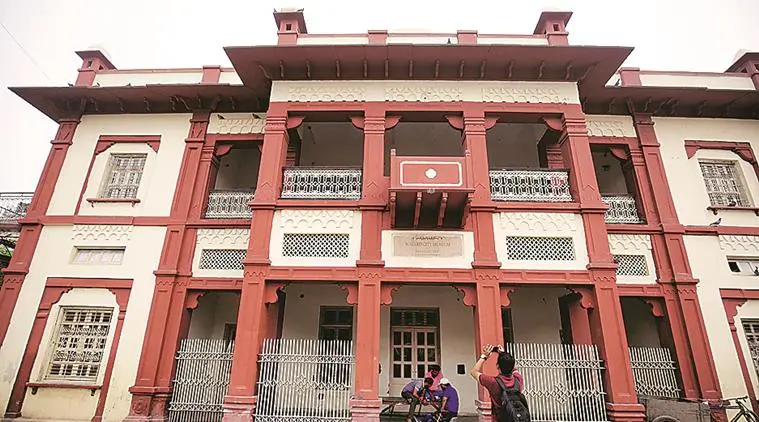
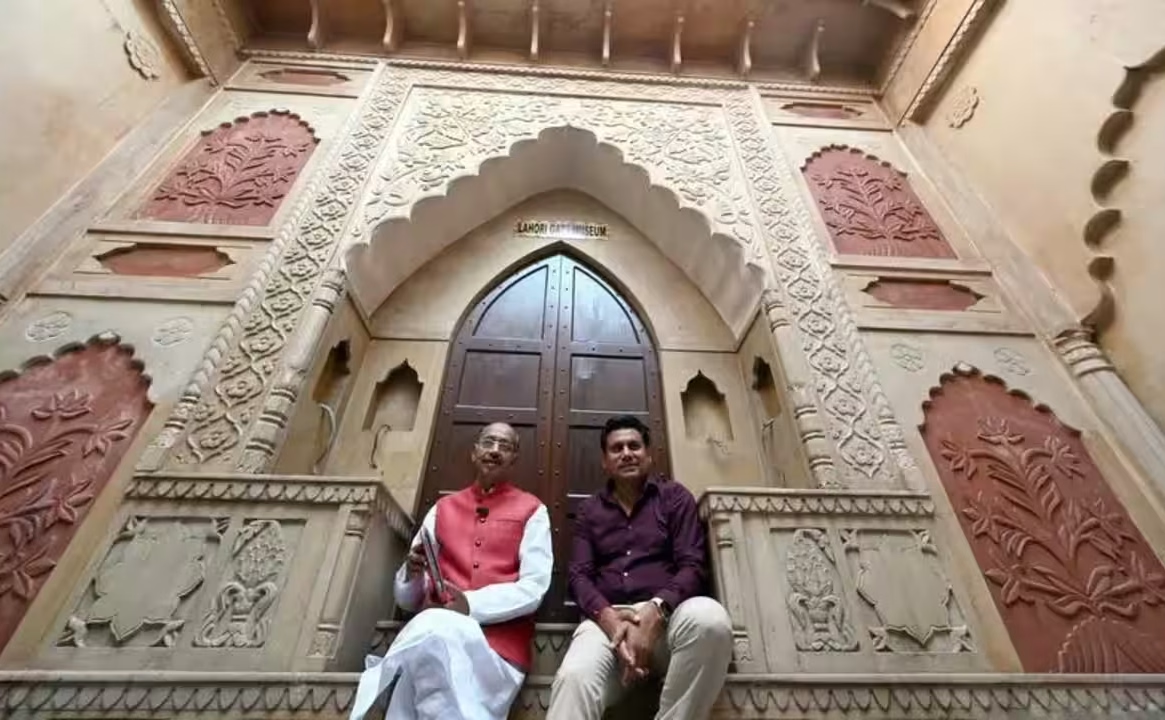
Lahori Gate Haveli in Old Delhi is set to get a new role as the Shahjahanabad Museum and Interpretation Centre after the Municipal Corporation of Delhi (MCD) cleared the project with the Indira Gandhi National Centre for the Arts (IGNCA). The restored heritage building at Vasudev Captain Chowk, near Khari Baoli, will be developed as a public museum showcasing the history, culture, markets, architecture and changing life of Shahjahanabad. IGNCA has already given in-principle approval to take up the museum project.
Thank you for reading this post, don't forget to subscribe!Lahori Gate Haveli Gets a New Role
The Lahori Gate Haveli was constructed in 1929 as a traditional private mansion. Over the years, the building served different purposes, including functioning as a municipal dispensary. It was also later used as a storehouse.
The building is located at the meeting point of Khari Baoli, Sadar Bazar and the area leading towards Old Delhi Railway Station. Its location places it close to some of the most active and historic parts of the walled city.
The haveli had suffered damage over the years, particularly to parts of its roof, balconies and jharokhas. Restoration work was carried out with government funding, along with electrical and civil improvements. The restoration was completed before the latest museum plans moved forward.
Museum to Tell the Story of Shahjahanabad
The proposed museum will focus on the history and evolution of Shahjahanabad, the walled city established by Mughal emperor Shah Jahan in the 17th century.
Instead of presenting only old objects, the project is planned as an interpretation centre that will combine physical displays with digital technology. Visitors are expected to see artefacts, crafts, narrative panels, digital databases, audio-visual material and models explaining how the city developed over time.
The project will also include galleries showing the changing layout of Shahjahanabad. Digital reconstructions of historic structures are planned to help visitors understand parts of Old Delhi that have changed or disappeared.
Red Fort, Jama Masjid and Old Delhi Culture
The museum plan will cover important landmarks and cultural features of the old city. Proposed displays include representations of the Red Fort, Jama Masjid, Town Hall and traditional havelis.
The museum will also present aspects of everyday life in Shahjahanabad. These include Chandni Chowk’s markets, food, language, customs and traditional activities.
Sections connected with grocery markets, dry fruits, handicrafts and Meena Bazaar are also planned. This would allow the museum to present Shahjahanabad not only as a historic Mughal city but also as a living urban area whose markets and traditions continue today.
IGNCA to Design the Galleries
The MCD and IGNCA are working together on the museum project. Under the proposed arrangement, the MCD will provide the restored heritage building, while IGNCA will help design the galleries and select the artefacts and other material for display.
The museum is expected to be a ticketed facility. Plans also include a visitor gathering area, audio-visual rooms and a cafeteria on the first floor.
A souvenir shop and spaces for presenting traditional crafts have also been proposed. These additions are intended to make the restored building a cultural centre rather than simply a collection of historical objects.
Digital Technology Will Be Part of the Museum
The Lahori Gate Haveli project is expected to use digital tools to make the history of Old Delhi easier to understand.
One planned feature is an interactive map that can connect visitors with information about heritage sites across Delhi. Another gallery is expected to include a timeline covering the history of Delhi.
Digital reconstructions and three-dimensional models will also be used to recreate scenes and structures from earlier periods. Proposed displays include a model showing the development of Shahjahanabad’s town plan and digital reconstructions of historic structures such as the old clock tower.
The use of these tools reflects a wider trend in museums, where historical material is increasingly combined with digital displays, interactive maps and audio-visual storytelling.
Restoration Received Central Government Support
The museum project has been linked to funding provided under the Ministry of Culture’s Museum Grant Scheme.
Government records cited in reports show that a total project cost of about ₹4.22 crore was approved, with around ₹3.38 crore sanctioned as the central government share. INTACH, the Indian National Trust for Art and Cultural Heritage, was involved as a conservation consultant for the heritage structure.
The funding supported restoration and related work needed to bring the old structure back into usable condition. The work included repairs to damaged architectural elements as well as electrical and civil improvements.
From Dispensary to Heritage Centre
The history of the building itself is part of the story the new museum will tell. After being built in 1929, the haveli was used for several purposes during different periods.
It operated as a municipal dispensary for decades and reportedly continued in that role until 2003. The building later became associated with storage and other uses before falling into disrepair.
Earlier restoration efforts had also been made, but the structure again required major conservation work. The latest restoration has now created the base for its proposed transformation into a museum.
Museum Expected to Open in 2027
According to officials involved in the project, work on the museum was expected to begin in September 2026, with completion targeted for the end of the year. The museum is expected to open to visitors in early 2027, subject to the progress of the remaining work and formal arrangements.
Once operational, the Lahori Gate Haveli will add another heritage-focused public space to Old Delhi. Its location near Khari Baoli and Chandni Chowk will connect the museum directly with the markets, streets, buildings and cultural traditions that form part of the history of Shahjahanabad.