Lakshadweep Investors Meet Marks a New Chapter for Fisheries and Aquaculture Development

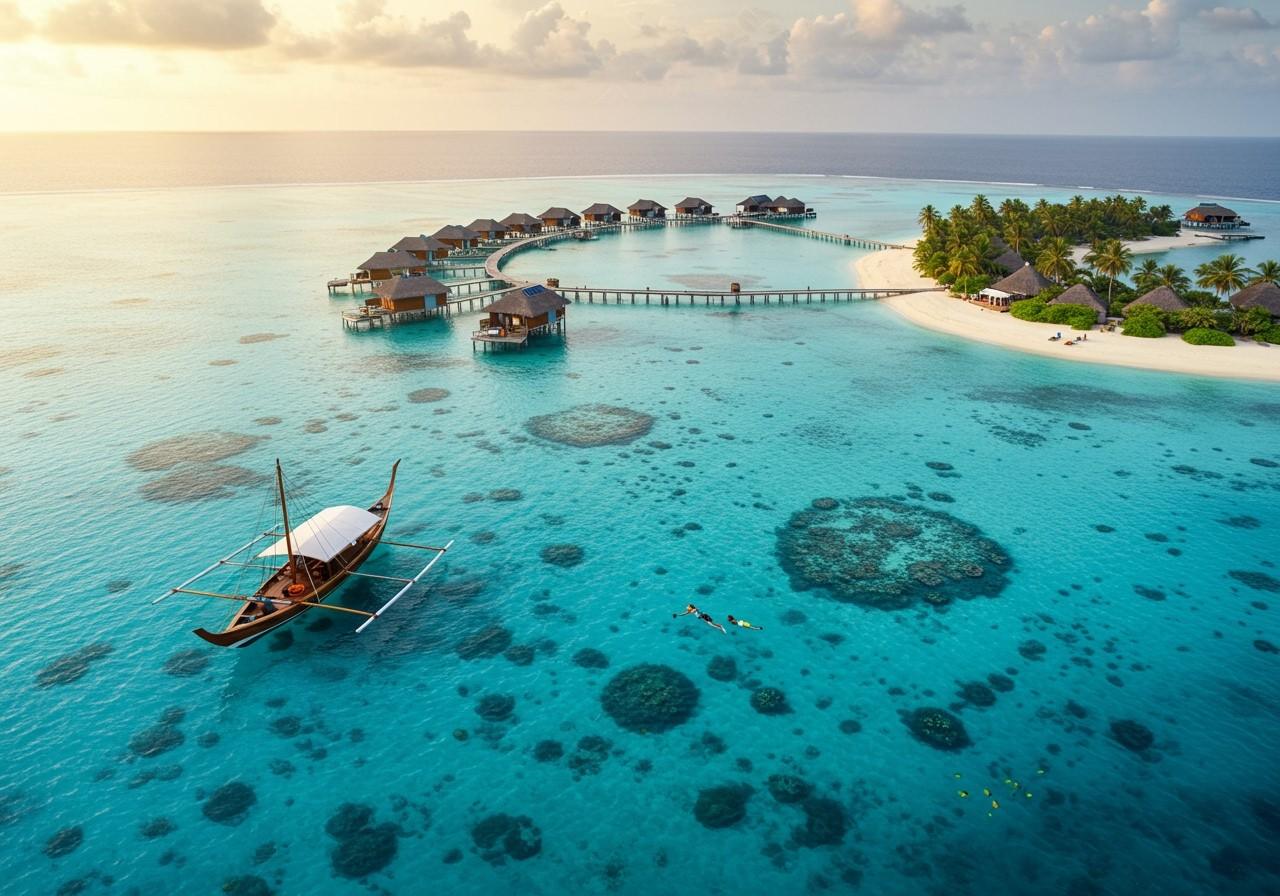
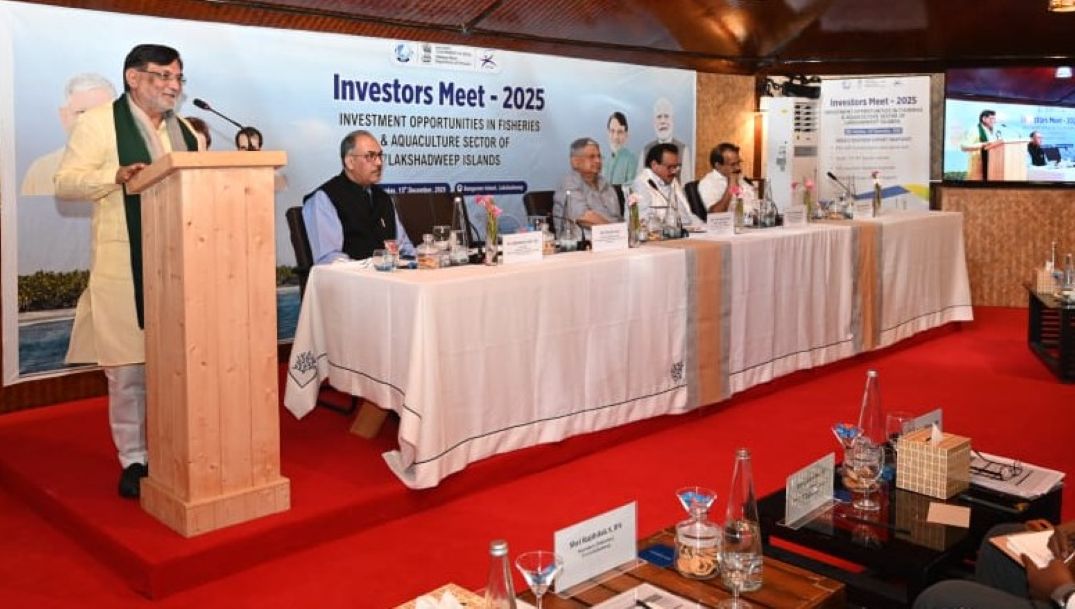
Lakshadweep Investors Meet has opened a new window of opportunity for India’s smallest Union Territory as it hosted its first-ever investors’ meet focused on fisheries and aquaculture. Held at the scenic Bangaram Island, the event aimed to attract private investment into sustainable marine-based industries and strengthen the region’s blue economy. The initiative was led by the Central government in collaboration with the Lakshadweep administration, signalling a strong push to unlock the islands’ untapped ocean potential.
Thank you for reading this post, don't forget to subscribe!This landmark gathering brought Lakshadweep into the national investment spotlight for the first time in the fisheries sector. With its clean waters, rich marine biodiversity, and traditional fishing practices, the islands are seen as a promising destination for responsible and eco-friendly marine investment.
First-Ever Platform for Marine Investment in Lakshadweep
The Lakshadweep Investors Meet was officially titled “Investment Opportunities in Fisheries and Aquaculture Sector of Lakshadweep Islands.” It brought together investors, seafood exporters, policy makers, fisheries experts, and entrepreneurs from different parts of India. According to official estimates shared during the meet, investment proposals worth nearly ₹519 crore have been envisioned across multiple marine-related sectors.
The event was jointly organised by the Department of Fisheries under the Ministry of Fisheries, Animal Husbandry and Dairying, along with the Lakshadweep Union Territory administration. This marked the first structured attempt to directly connect investors with local opportunities in the islands’ fisheries and aquaculture ecosystem.
Why Fisheries Matter for Lakshadweep
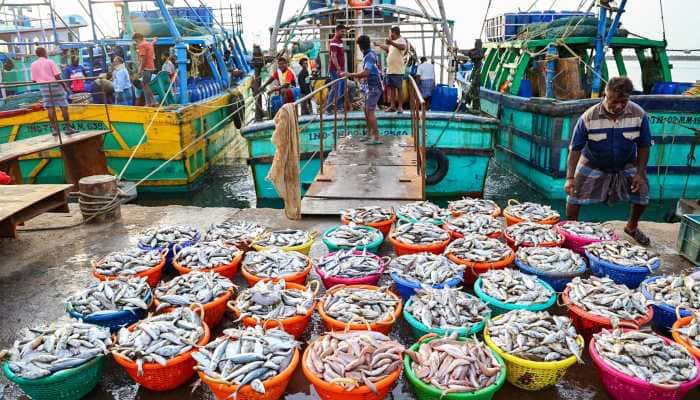
Fishing has always been central to Lakshadweep’s economy and culture. The islands currently produce around 14,000 tonnes of fish every year, mainly through traditional methods. However, experts estimate that the fisheries potential of the islands could reach nearly one lakh tonnes annually if modern infrastructure, technology, and market access are improved.
A major highlight discussed during the Lakshadweep Investors Meet was pole-and-line tuna fishing, a method already practiced by local fishermen. This method is globally recognised as environmentally sustainable because it avoids overfishing and reduces bycatch. Investors were informed that this sustainable practice gives Lakshadweep a unique advantage in global seafood markets that increasingly value eco-friendly sourcing.
Key Challenges Highlighted by Investors
During interactive sessions at the Lakshadweep Investors Meet, investors openly discussed the challenges that need to be addressed to make large-scale investment viable. One of the main concerns raised was logistics. Transporting fresh fish and marine products from the islands to mainland India remains costly and time-consuming.
Participants pointed out the urgent need for better cold storage facilities, ice plants, and chilled fish handling centres. These are essential for post-harvest management and for maintaining quality during transport. Without such infrastructure, fishermen and processors face losses and limited market reach.
Investors also highlighted the lack of value-added processing facilities on the islands. Suggestions included setting up sashimi-grade tuna processing units, fish oil refining plants, and modern packaging centres. These facilities would allow Lakshadweep to move beyond raw fish exports and earn higher value from marine resources.
Scope for Skilled Manpower and New Marine Segments
Another important topic at the Lakshadweep Investors Meet was the need for skilled manpower. Investors stressed that training local youth in modern fishing techniques, processing, quality control, and marine technology would be critical for long-term success.
The meet also discussed emerging sectors such as ornamental fisheries, including aquarium fish breeding and ornamental fish brood banks. Lakshadweep’s clear waters and coral ecosystems make it ideal for this niche but high-value market. Investors showed interest in setting up breeding and export facilities with proper environmental safeguards.
Policy Support from the Central Government
Union Minister Rajiv Ranjan Singh addressed the gathering and underlined the government’s commitment to supporting fisheries growth in Lakshadweep. He stated that the Centre has issued fishing rules for India’s Exclusive Economic Zone, allowing fishermen to operate legally through authorised access passes.
This policy step is crucial because it enables the export of high-value tuna and other marine products to international markets without legal hurdles. The minister also explained that fishery resources harvested from India’s Exclusive Economic Zone will now be recognised as of Indian origin under international law. This simplifies export documentation and improves market access.
In addition, the issuance of High Seas Fishing Guidelines gives Indian-flagged vessels legal fishing rights in these waters. This move is expected to encourage private players to invest confidently in offshore fishing and processing activities linked to Lakshadweep.
New Opportunities in Seaweed and Deep-Sea Fishing
The Lakshadweep Investors Meet also highlighted future-focused sectors such as seaweed farming and deep-sea fishing. Seaweed is increasingly used in food, pharmaceuticals, cosmetics, and bio-products, making it a high-growth area. The islands’ clean marine environment offers ideal conditions for seaweed cultivation.
Deep-sea fishing was identified as another promising area, especially for large tuna species that are in demand globally. With proper regulation and sustainable practices, this sector could generate employment while protecting marine ecosystems.
Infrastructure Growth and Long-Term Vision
The Lakshadweep administration assured investors of full support and policy facilitation. Fisheries development is being linked with upcoming infrastructure projects, including the proposed Minicoy airport, which is expected to significantly improve connectivity and cargo movement.
Officials also invited stakeholders to share inputs for framing Lakshadweep’s first dedicated fishing policy. This policy aims to balance investment growth with environmental protection and the livelihood needs of local communities.
A follow-up Lakshadweep Investors Meet is planned in Delhi, where detailed project proposals and partnerships are expected to be discussed further. This indicates that the Bangaram Island meet is just the beginning of a longer investment journey for the islands.
A New Economic Path for the Islands
The Lakshadweep Investors Meet has positioned the island territory as a serious player in India’s blue economy vision. By combining sustainable fishing traditions with modern investment, policy support, and infrastructure development, Lakshadweep is preparing to chart a new economic path rooted in its marine strengths.
The success of this initiative will depend on how well investment, sustainability, and local participation are balanced. For now, the first-ever investors’ meet has laid a strong foundation for turning Lakshadweep’s vast ocean potential into lasting economic opportunity.