



Model Youth Gram Sabha Initiative Boosts Civic Learning in Schools

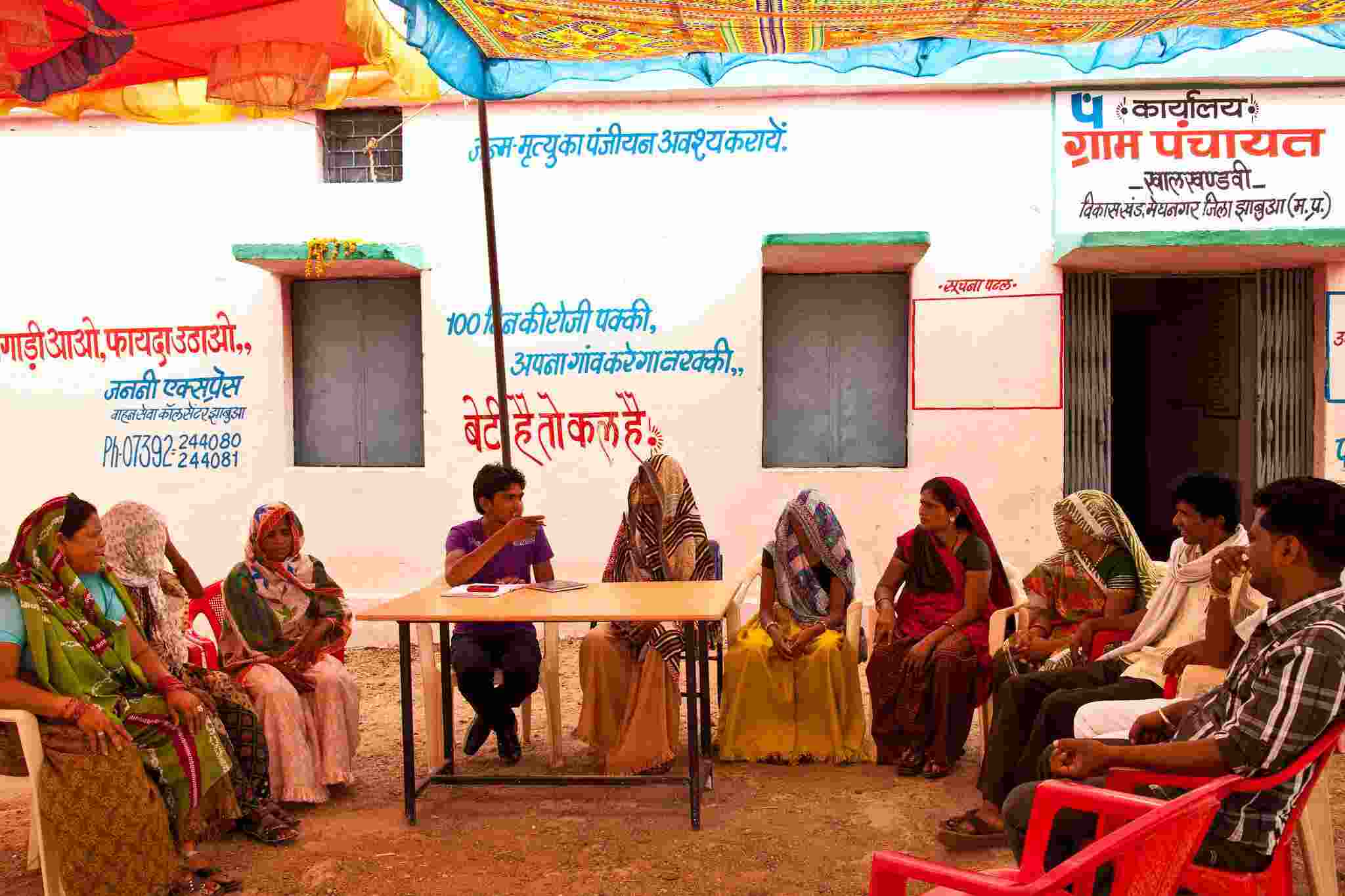
The Government of India is set to launch the Model Youth Gram Sabha (MYGS) Initiative in schools nationwide from October 2025. This landmark programme seeks to nurture democratic awareness and participatory governance among students by simulating real-life Gram Sabha proceedings. By bringing the essence of local self-government into classrooms, the initiative aims to transform how young minds perceive civic responsibility, rural development, and the role of community leadership in governance.
Thank you for reading this post, don't forget to subscribe!Overview of Model Youth Gram Sabha Initiative
The Model Youth Gram Sabha Initiative is inspired by the globally popular Model United Nations (MUN) simulation, but with a uniquely Indian focus on local governance. The programme will initially be implemented in over 1,100 schools, including Jawahar Navodaya Vidyalayas (JNVs), Eklavya Model Residential Schools (EMRS), and select Zilla Parishad schools in Maharashtra and Karnataka.
The Ministry of Panchayati Raj, in collaboration with the Ministries of Education and Tribal Affairs, will oversee its implementation. The target group comprises students from classes 9 to 12, who will engage in role-playing exercises that mirror the functioning of a Gram Sabha the foundational unit of India’s democratic governance structure at the village level.
Through these sessions, students will learn not only about administrative systems but also about inclusive decision-making, gender sensitivity, resource allocation, and community participation in local planning.
Structure and Roles in Model Youth Gram Sabha Initiative
In each participating school, students will form teams to conduct mock Gram Sabha meetings. They will assume real-world roles such as:
- Sarpanch (village head)
- Ward members
- Village secretary
- Anganwadi worker
- Auxiliary nurse midwife (ANM)
- Junior engineer
These mock sessions will cover agendas typical to actual Gram Sabhas discussing community welfare issues, preparing budgets, reviewing development projects, and proposing village-level plans.
By assuming these roles, students will gain a first-hand understanding of the responsibilities and challenges faced by local leaders. This experiential approach bridges the gap between theoretical civics education and practical governance. It encourages young citizens to think critically, collaborate effectively, and participate constructively in public life.
Educational and Social Objectives
At its core, the Model Youth Gram Sabha Initiative is designed to cultivate informed, engaged, and responsible citizens. It encourages students to see governance as a shared responsibility rather than a distant bureaucratic process.
The programme also complements the Panchayati Raj chapter already present in school curricula. However, unlike textbook learning, MYGS focuses on experiential education learning by doing. Students actively debate, negotiate, and problem-solve issues such as sanitation, women’s empowerment, digital literacy, and environmental protection.
From a broader perspective, the initiative aims to:
- Strengthen democratic values at the grassroots level.
- Promote civic participation and public accountability.
- Develop leadership skills and social empathy among youth.
- Encourage inclusivity and gender equality in governance discussions.
By shaping young minds through participatory methods, MYGS seeks to build a generation that understands and respects the essence of Gram Swaraj Mahatma Gandhi’s vision of self-sufficient and self-governing villages.
Implementation and Support Measures
The rollout of MYGS will be supported by structured teacher training and financial assistance. Two teachers from each participating school have already undergone orientation sessions to guide students through the mock Gram Sabha process.
The Ministry of Panchayati Raj will provide Rs 20,000 to each school to cover expenses related to organizing the sessions from setting up venues to printing materials and documentation.
The first phase focuses on centrally managed institutions like JNVs and EMRS, ensuring quality control and effective monitoring. Once evaluated, the programme will be extended to state government schools across the country in subsequent phases, creating a national movement for youth-driven democratic literacy.
Competitions and Incentives
To further boost participation, the initiative introduces a competitive dimension. After completing the mock Gram Sabha exercises, schools will compete at regional and national levels. These competitions will be held separately for JNVs and EMRS institutions to ensure balanced representation.
Winners will receive cash prizes ranging from Rs 50 lakh to Rs 1 crore, along with certificates and recognition for their innovative ideas and presentations. Every participating student will receive an official certificate of participation, underscoring the educational value of their involvement.
These incentives aim not only to reward excellence but also to make civic learning exciting, aspirational, and rewarding.
Preparatory Steps and Pilot Projects
Before the nationwide rollout, the Ministry of Panchayati Raj conducted extensive consultations with the Ministries of Education and Tribal Affairs. The pilot phase was successfully conducted in JNV Baghpat (Uttar Pradesh) and EMRS Alwar (Rajasthan).
These pilot projects helped refine the curriculum, evaluation parameters, and logistics of implementing the programme in diverse educational settings. The results demonstrated strong student enthusiasm, improved understanding of local governance mechanisms, and active engagement in social issue discussions.
Based on these insights, the national version of MYGS was fine-tuned to ensure scalability, inclusivity, and regional adaptability.
A Step Toward Grassroots Empowerment
The Model Youth Gram Sabha Initiative is not just an educational experiment it is a step toward reimagining citizenship education in India. By introducing students to governance at the village level, the initiative links classrooms with communities and knowledge with responsibility.
As India continues to strengthen its democratic fabric, empowering young people to understand and participate in governance becomes essential. Through MYGS, the government aims to sow the seeds of civic consciousness early, nurturing future leaders who can steer their communities and the nation toward inclusive and sustainable development.