World’s First Koala Vaccine: A Breakthrough in Wildlife Conservation

The World’s First Koala Vaccine marks a revolutionary milestone in wildlife medicine and conservation. Recently approved by the Australian Pesticides and Veterinary Medicines Authority, this vaccine is designed to protect koalas from the deadly chlamydia infection that has plagued their populations for decades. Developed after over ten years of intensive research by scientists at the University of the Sunshine Coast in Queensland, the vaccine is expected to bring hope to one of Australia’s most iconic yet endangered species.
Thank you for reading this post, don't forget to subscribe!This single-dose vaccine has demonstrated the ability to reduce disease symptoms and mortality in wild koala populations by at least 65%. It is now officially approved for use in veterinary clinics, wildlife hospitals, and field conservation programs across Australia.
World’s First Koala Vaccine and Its Impact on Chlamydia Infections
The World’s First Koala Vaccine aims to counter the devastating effects of chlamydia infections in koalas. Chlamydia is a bacterial disease that causes severe health issues such as urinary tract infections, infertility, blindness, and even death. The infection primarily affects breeding-age koalas, reducing their ability to reproduce and survive in the wild.
In some regions, including southeast Queensland and northern New South Wales, infection rates have reached alarming levels between 50% and 70% of the population. These outbreaks have had a catastrophic effect on koala numbers, significantly contributing to their endangered status.
Antibiotic treatments used previously proved to be problematic, as they interfered with the koalas’ ability to digest eucalyptus leaves their sole source of food and hydration. This disruption often led to starvation, highlighting the urgent need for a safer and more sustainable treatment like the newly approved vaccine.
Vaccine Development and Effectiveness of the World’s First Koala Vaccine
The development of the World’s First Koala Vaccine was led by Professor Peter Timms and his dedicated team of researchers at the University of the Sunshine Coast. After more than a decade of field trials and studies, the vaccine emerged as a promising solution to the chlamydia crisis among koalas.
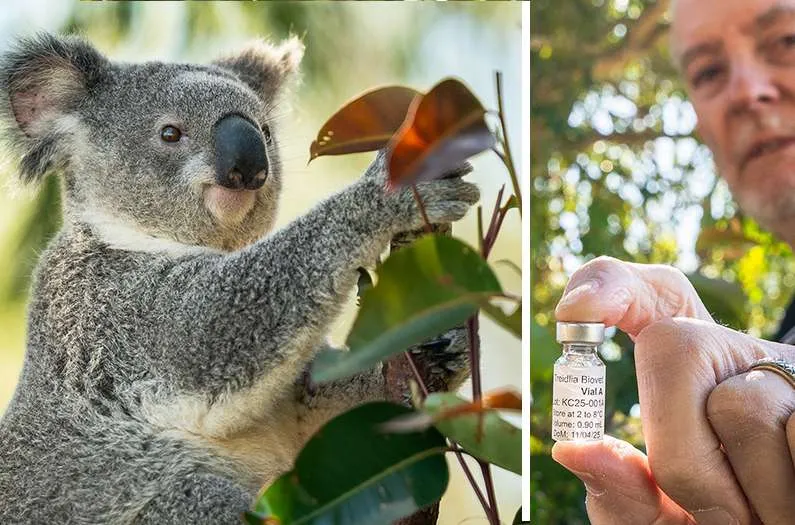
The vaccine is a single-dose formula that requires no booster shots, making it easier to administer to wild populations. Field trials showed remarkable results infected koalas displayed significant recovery, while healthy individuals developed strong immunity against the disease. The mortality rate in vaccinated populations dropped by up to 65%, proving the vaccine’s effectiveness in real-world conditions.
Now that it has been officially approved, wildlife veterinarians and conservationists can implement widespread vaccination drives across affected regions. This advancement could slow down the disease’s spread and give koala populations a fighting chance to recover.
Conservation Challenges Beyond the World’s First Koala Vaccine
While the World’s First Koala Vaccine is a major scientific success, it does not address all the challenges facing Australia’s beloved marsupial. Habitat loss remains one of the most serious threats to koalas. Rapid urbanisation, bushfires, and climate change have destroyed vast areas of eucalyptus forests the primary habitat and food source for koalas.
The devastating 2019–2020 bushfires, for example, burned millions of hectares of forest, killing thousands of koalas and leaving many others without food or shelter. Conservation groups, such as the Australian Koala Foundation (AKF) and the Queensland Conservation Council, have emphasised that vaccination alone will not save the species. They argue that a combination of habitat restoration, climate resilience strategies, and disease control is essential for long-term survival.
These organisations are calling on the government and private sector to enhance funding for habitat conservation, enforce stricter land-clearing laws, and expand protected zones where koalas can thrive without human interference.
World’s First Koala Vaccine and Koala Population Estimates
According to the National Koala Monitoring Program, Australia’s koala population is estimated to range between 224,000 and 524,000 individuals. However, the Australian Koala Foundation presents a much more alarming figure suggesting that fewer than 100,000 koalas remain in the wild.
The species is already listed as endangered in Queensland, New South Wales, and the Australian Capital Territory. Without timely interventions, experts warn that koalas could face extinction by 2050. The World’s First Koala Vaccine provides a critical opportunity to stabilize declining numbers by reducing mortality rates and improving reproductive success in the wild.
Government Support and Funding for the World’s First Koala Vaccine
The Australian government has shown strong support for the World’s First Koala Vaccine initiative. Funding came from multiple sources, including the federal and state governments, under programs such as the Saving Koalas Fund, which allocated 76 million Australian dollars to protect and restore koala populations.
Federal Environment Minister Murray Watt praised the vaccine’s approval, calling it a “significant step in safeguarding Australia’s natural heritage.” He highlighted that combating chlamydia is vital for protecting the species’ reproductive health and ensuring the continuation of healthy populations in the wild.
With this official approval, wildlife hospitals, sanctuaries, and conservation groups can now incorporate vaccination programs into their broader koala management strategies. The combined efforts of government agencies, scientists, and community volunteers are expected to make a measurable difference in preserving the future of this national symbol.
About Koalas and Their Unique Biology
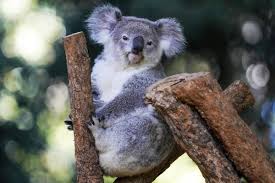
Koalas are one of Australia’s most recognizable animals. These tree-dwelling marsupials spend most of their lives in eucalyptus forests, feeding almost exclusively on eucalyptus leaves. They possess highly specialized digestive systems that allow them to detoxify and process the otherwise poisonous compounds in the leaves.
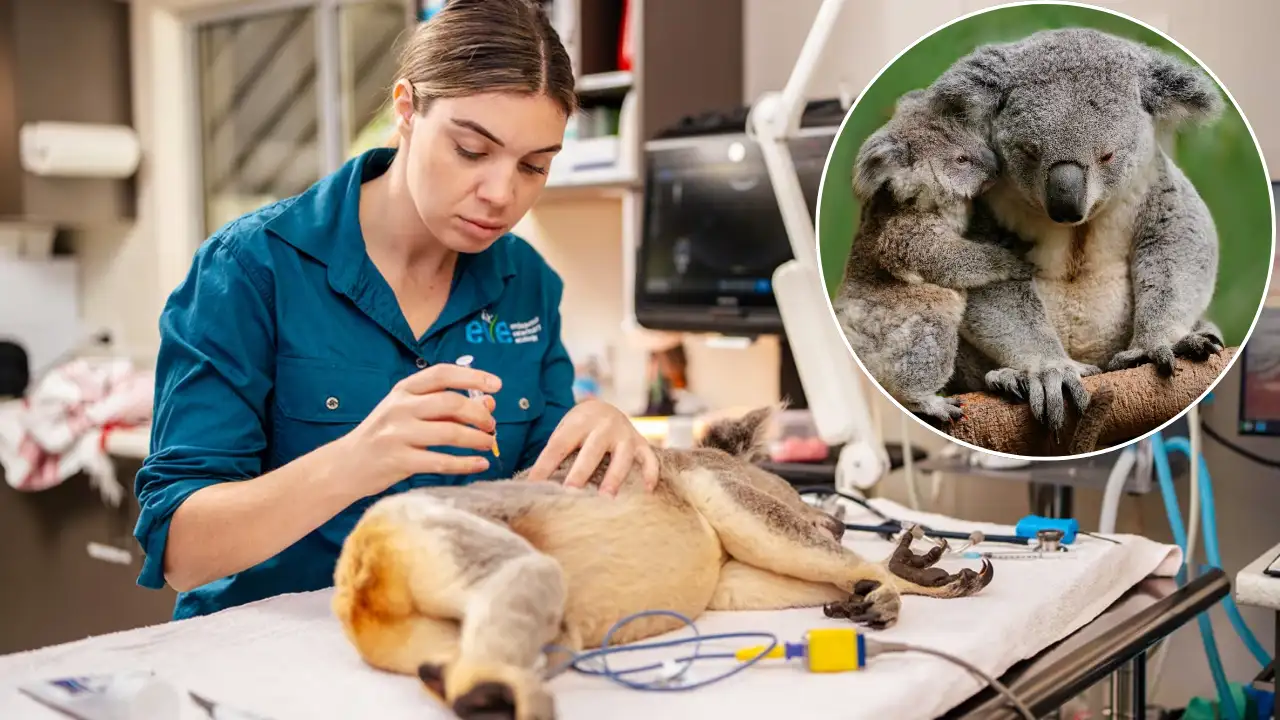
Koalas are mostly nocturnal, spending up to 18 hours a day sleeping or resting. Their bodies are adapted for climbing, with strong limbs and two opposing thumbs on each front paw that enable a firm grip on tree branches. Despite their cuddly appearance, koalas are solitary animals and highly territorial.
However, their dependence on eucalyptus forests makes them extremely vulnerable to deforestation and environmental changes. Disease outbreaks, like chlamydia, combined with habitat loss, have accelerated their decline over recent decades.
The Future Ahead for Koala Conservation
The World’s First Koala Vaccine is more than a scientific achievement it’s a symbol of hope for Australia’s wildlife conservation efforts. While the vaccine will help control one of the most devastating diseases affecting koalas, its success must be complemented by continued efforts to protect their habitats, address climate change, and promote ecological balance.
Through a combination of medical innovation, community involvement, and government commitment, Australia has the chance to rewrite the story of its endangered koalas ensuring that these gentle marsupials remain an enduring part of the nation’s natural heritage for generations to come.