Erra Matti Dibbalu UNESCO Bid: Andhra Pradesh’s Red Sand Dunes and Tirumala Hills Move Closer to World Heritage Status

Andhra Pradesh’s Erra Matti Dibbalu UNESCO Bid marks a major milestone in India’s journey to preserve its extraordinary natural and geological heritage. The state’s famous Erra Matti Dibbalu (Red Sand Dunes) near Visakhapatnam and the Tirumala Hills, including the remarkable Eparchaean Unconformity, have been officially added to UNESCO’s Tentative List of World Heritage Sites. This development highlights India’s commitment to protecting its rare geomorphological and ecological wonders and paves the way for potential global recognition.
Thank you for reading this post, don't forget to subscribe!Erra Matti Dibbalu UNESCO Bid: A Natural Wonder of the Eastern Coast
The Erra Matti Dibbalu UNESCO Bid focuses on one of India’s most fascinating geological landmarks the Red Sand Dunes of Visakhapatnam. Known locally as Erra Matti Dibbalu, this site spans around 1,500 acres along the eastern coast, displaying a breathtaking landscape of red-hued dunes. These formations are made of sand, silt, and clay and owe their distinct colour to natural oxidation processes that occurred over thousands of years.
The dunes exhibit unique dendritic drainage patterns and multiple sediment layers that serve as natural records of fluctuating sea levels and climatic changes during the late Quaternary period. Such characteristics make the Erra Matti Dibbalu a living geological museum, offering insights into Earth’s environmental history.
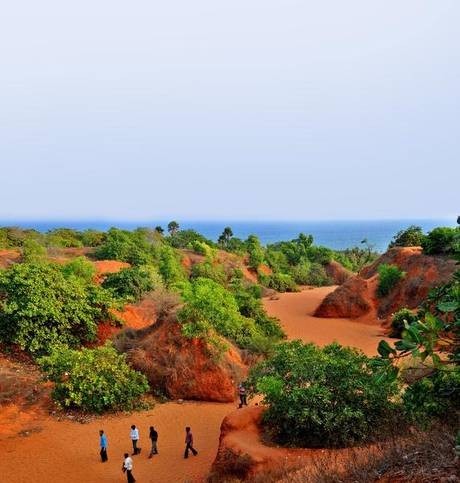
The site first drew scientific attention in 1886, when British geologist William King studied its distinct formation. It remains one of only three such coastal geomorphological formations known globally. This rare geological uniqueness has strengthened the case for its inclusion in UNESCO’s prestigious list.
Erra Matti Dibbalu UNESCO Bid: Conservation Challenges and the Need for Protection
Despite its immense geological value, the Erra Matti Dibbalu UNESCO Bid highlights ongoing conservation challenges. The dunes face growing threats from unregulated tourism, recreational activities, and film shootings. These human activities, though beneficial for local economy and visibility, have caused erosion and physical damage to the fragile dune systems.
Experts and environmentalists have raised concerns that without stringent conservation policies and monitoring, these dunes may lose their natural integrity. The UNESCO Tentative List status now provides a fresh opportunity to establish protective measures, introduce visitor management systems, and raise global awareness about the site’s vulnerability. Strengthened legal protection, eco-sensitive zoning, and community involvement will be essential to ensure its long-term survival.
Erra Matti Dibbalu UNESCO Bid: Tirumala Hills and the Eparchaean Unconformity
The Erra Matti Dibbalu UNESCO Bid also includes the Tirumala Hills, located in Tirupati district, known for their immense geological and ecological value. The most notable feature of this region is the Eparchaean Unconformity, a visible geological boundary that reveals a gap of nearly 900 million years in Earth’s history. It marks the point where rocks older than 2.5 billion years meet relatively younger Proterozoic formations—a phenomenon of global geological significance.
Another prominent landmark in this region is the Natural Arch, or Silathoranam, located near the Tirumala temple. This naturally formed rock arch, estimated to be over 1.5 billion years old, is a rare sight and serves as an iconic symbol of geological heritage in India.
The Tirumala Hills form part of the Seshachalam Biosphere Reserve and Venkateswara National Park, both of which are home to diverse flora and fauna, including endangered species such as the red sanders (Pterocarpus santalinus) and the elusive Jerdon’s Courser. These forests not only enrich biodiversity but also play a crucial role in maintaining ecological balance in southern India.
Erra Matti Dibbalu UNESCO Bid: Geological and Cultural Relevance
The Erra Matti Dibbalu UNESCO Bid underscores how these sites represent the perfect blend of natural, geological, and cultural heritage. While the red sand dunes capture the planet’s climatic and sedimentary evolution, the Tirumala Hills embody both Earth’s geological timeline and India’s deep spiritual traditions.
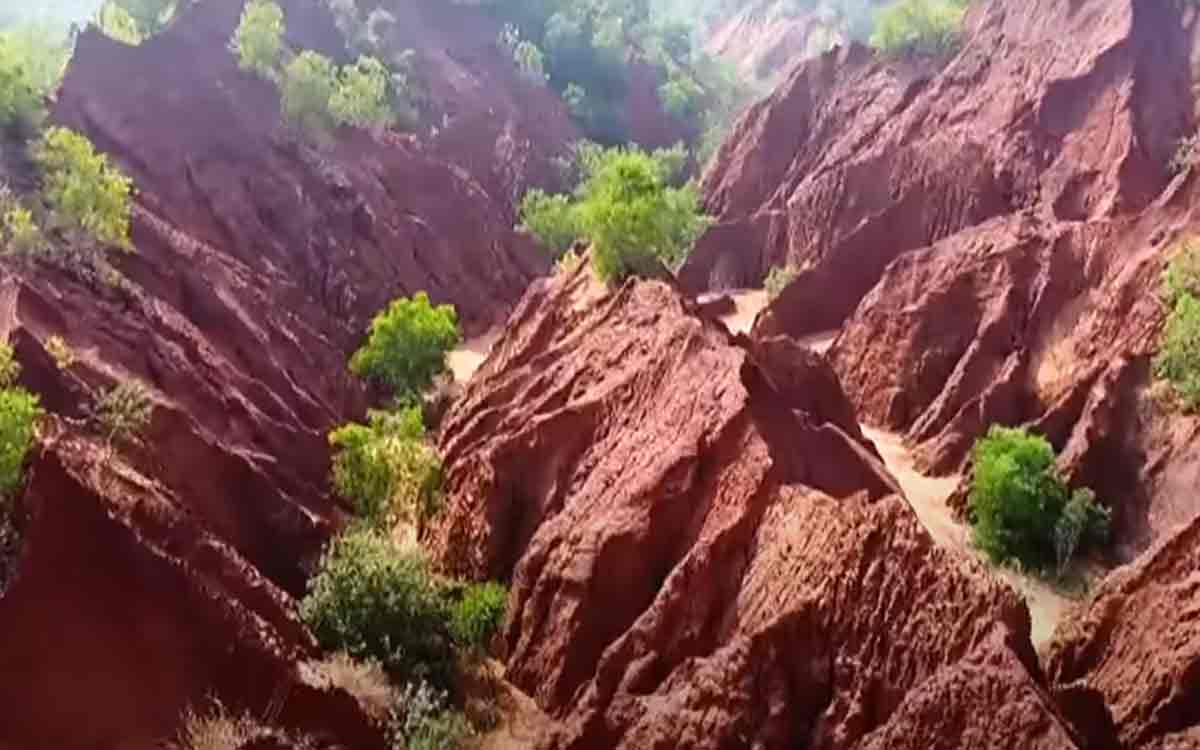
The region’s dense forests, seasonal waterfalls, and endemic biodiversity qualify it under multiple UNESCO World Heritage criteria, including:
- Criterion (vii): Exceptional natural beauty and aesthetic importance.
- Criterion (viii): Outstanding examples of Earth’s geological and biological evolution.
- Criterion (x): Habitats of threatened species and biodiversity conservation significance.
In addition to its scientific and ecological relevance, Tirumala holds profound cultural significance. It is home to the sacred Sri Venkateswara Temple, one of the most visited pilgrimage sites in the world. The harmonious coexistence of nature, geology, and spirituality enhances the site’s value for both global recognition and national pride.
The Road Ahead for Andhra Pradesh’s Heritage Sites
The inclusion of these sites in the UNESCO Tentative List is only the first but essential step toward achieving full World Heritage Site status. This step indicates India’s commitment to preserving its geological and cultural treasures through global partnerships and international guidelines.
The Tentative List was last updated in August 2025, and the new entries highlight the government’s proactive approach in identifying and conserving sites of exceptional universal value. For the Erra Matti Dibbalu, the focus will be on enhancing research, implementing strict conservation rules, and developing sustainable tourism infrastructure. For the Tirumala Hills, the emphasis will remain on protecting the Eparchaean Unconformity, maintaining the ecological balance of its forests, and integrating local community participation in preservation efforts.
Once officially nominated and accepted, the sites will gain international recognition, access to conservation funding, and technical expertise from UNESCO’s global network. Moreover, this bid encourages educational outreach, promoting awareness about India’s geological heritage among scientists, students, and the general public.