



Mukhyamantri Gramotthan Yojana Launch Signals New Era of Rural Transformation in Gujarat

Mukhyamantri Gramotthan Yojana Launch marks a major step by the Gujarat government towards transforming villages into modern growth centres with facilities similar to urban areas. The ambitious rural development drive aims to bridge the long-standing gap between rural and urban regions by improving infrastructure, public services, and governance systems in villages across the state. Through this initiative, the government is seeking to ensure balanced and inclusive growth, where rural communities can enjoy better living standards and wider economic opportunities.
Vision for Urban-Level Facilities in Villages
The core vision of the Mukhyamantri Gramotthan Yojana is to upgrade key rural centres so that villagers do not feel deprived of basic urban amenities. The programme focuses on strengthening infrastructure, improving sanitation, enhancing digital services, and promoting sustainable energy solutions. By creating well-equipped rural hubs, the state hopes to reduce migration to cities and encourage people to build prosperous lives within their own villages.

This approach reflects a shift in development planning, where villages are no longer seen only as agricultural spaces but also as centres of social, economic, and administrative activity.
Statewide Launch from Anand District
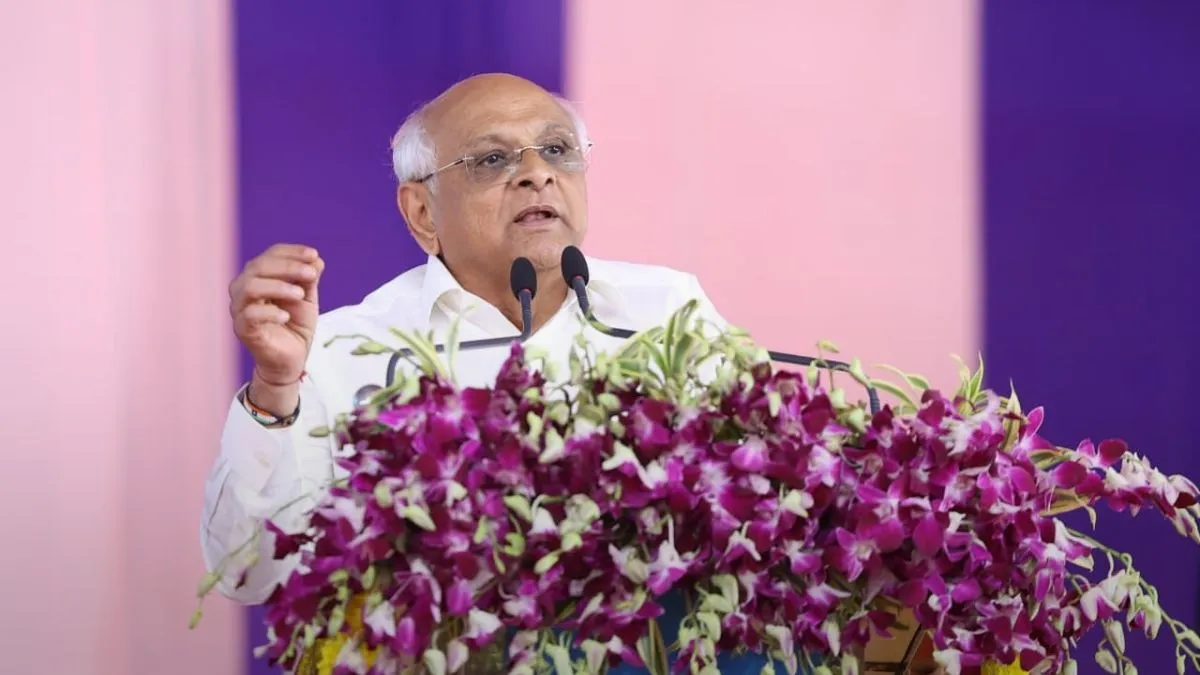
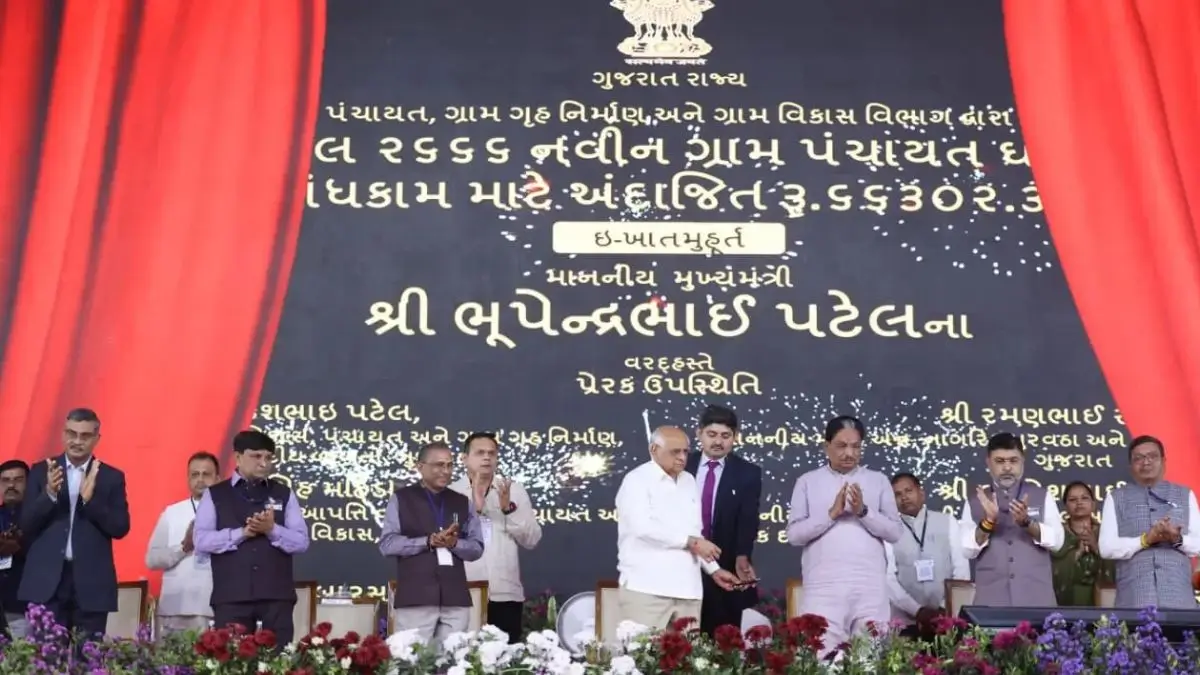
The scheme was officially launched by Chief Minister Bhupendra Patel from Bhadran village in Anand district. The choice of location highlighted the government’s intention to start this transformation directly from rural areas. During the launch, the Chief Minister emphasised that the programme would play a crucial role in improving the quality of life in villages and strengthening rural economies.
The event also underlined the state’s commitment to long-term rural development, with a clear roadmap for phased implementation and expansion.
First Phase Targets Taluka Headquarters
In the first phase, 114 villages that serve as Taluka headquarters have been selected for comprehensive development. These villages are important administrative and commercial centres for surrounding areas, making them ideal starting points for the initiative.
Planned infrastructure upgrades include:
- Construction and improvement of high-quality road networks
- Development of underground drainage and sewage systems
- Installation of solar-powered street lighting
- Strengthening of digital governance through e-Gram services
These improvements aim to enhance connectivity, ensure cleaner living conditions, and provide reliable access to government services.
Strengthening Digital and Governance Systems
A key feature of the Mukhyamantri Gramotthan Yojana is its focus on digital governance. Through e-Gram services, villagers will be able to access government schemes, certificates, and information more easily. This reduces the need to travel long distances to government offices and saves both time and money.
Better digital connectivity also opens doors for education, skill development, and online business opportunities, especially for rural youth.
Major Push to Panchayat Infrastructure
Alongside the village development plans, the Chief Minister laid the foundation stone for 2,666 Gram Panchayat Ghar-cum-Talati Awas buildings across the state. These facilities, costing around ₹663 crore, are designed to provide dedicated office and residential space for village-level officials.
Stronger panchayat infrastructure will improve the efficiency of local administration and help deliver government services more effectively. It also reflects the government’s focus on empowering grassroots institutions.
Expanding Coverage to Larger Villages
The government has announced that the Gramotthan Abhiyan will soon be expanded to include all villages with a population of more than 10,000. This expansion will allow a larger number of rural communities to benefit from modern infrastructure and improved services.
By gradually extending the programme, the state aims to create a network of well-developed villages that can support economic growth, small businesses, and local industries.
Creating Economic Opportunities
Better infrastructure and connectivity are expected to attract investment and encourage entrepreneurship in rural areas. Improved roads and digital services make it easier for farmers, artisans, and small traders to reach markets and access information. Over time, this can lead to job creation and higher incomes.
The focus on solar energy and sustainable infrastructure also supports environmental goals while reducing long-term costs.
Towards Balanced Growth Through Mukhyamantri Gramotthan Yojana Launch
The Mukhyamantri Gramotthan Yojana reflects Gujarat’s broader development strategy of ensuring that progress reaches every corner of the state. By upgrading villages with urban-level facilities, the government is working towards reducing regional disparities and building self-reliant rural communities.
This initiative is not only about physical infrastructure but also about dignity, opportunity, and better living standards for millions of villagers. As the programme moves forward, it is expected to play a significant role in shaping the future of rural Gujarat.