
National Tribal Olympiad 2026 to Be Held in December

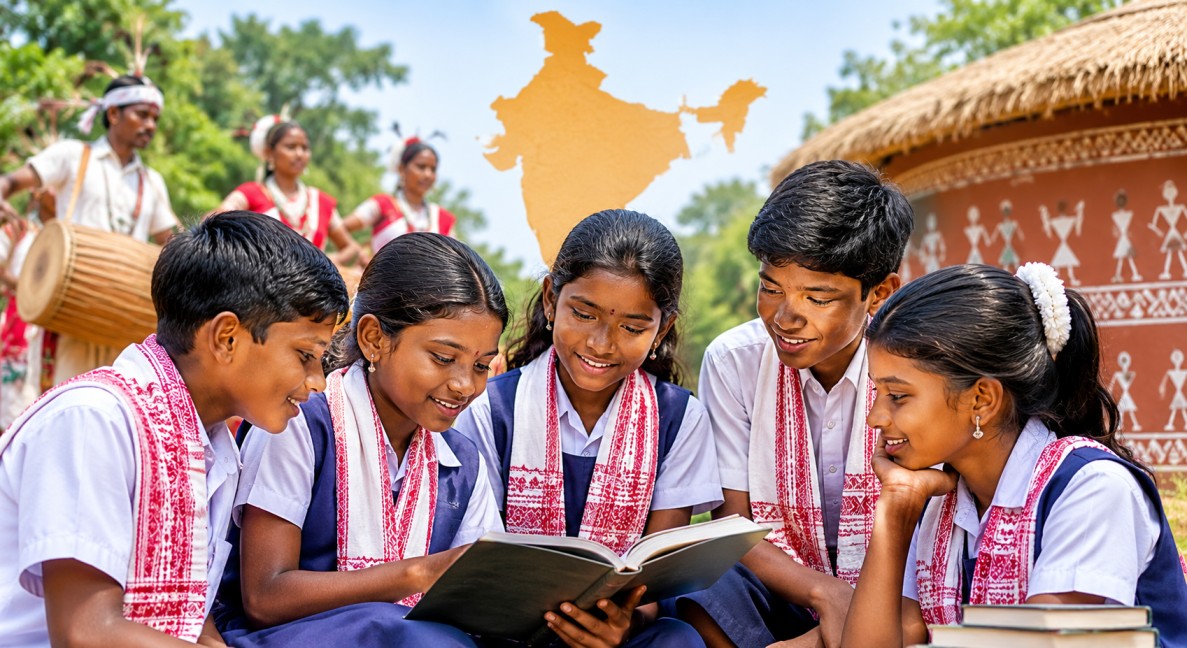
National Tribal Olympiad 2026 is an important initiative aimed at promoting tribal history, culture, traditions and Indigenous knowledge among young students in India. The country’s first National Tribal Olympiad (NTO) is scheduled to take place on 13 December 2026. The programme will provide tribal students with an opportunity to learn about their rich cultural heritage and develop pride in their identity.
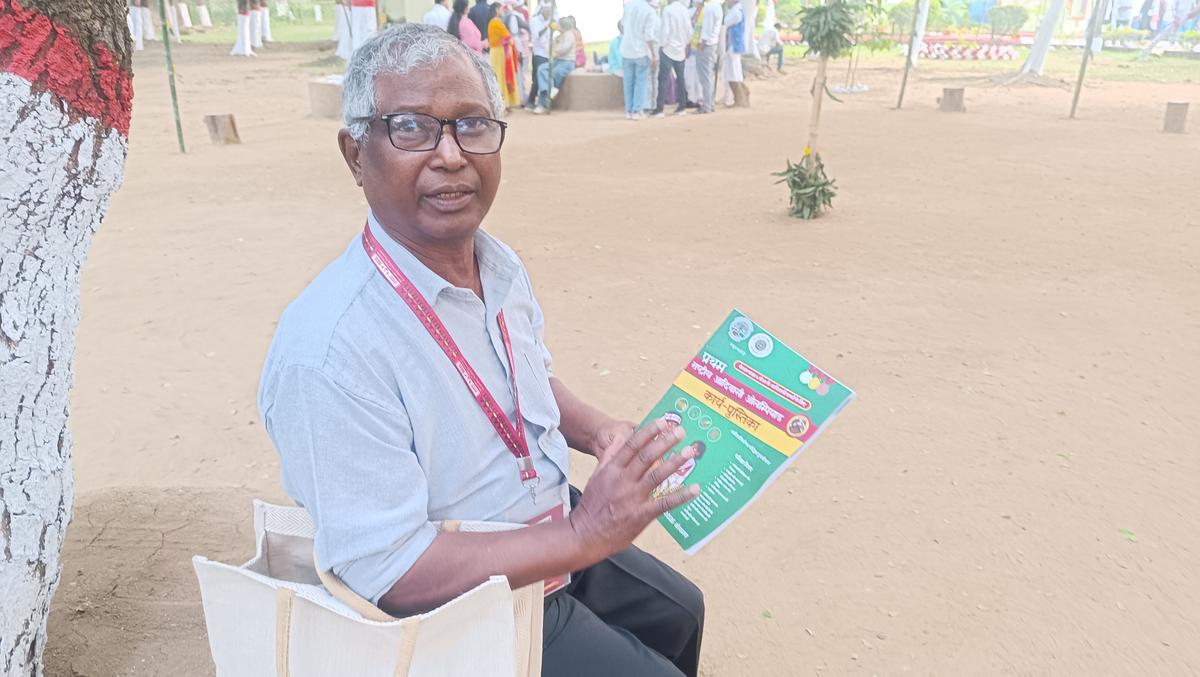
The announcement was discussed by adviser Mahadev Toppo during a tribal convention organised by the Tata Steel Foundation in Jamshedpur. The convention concluded on 19 November 2026. The initiative is expected to create greater awareness about the contributions, traditions and knowledge of India’s tribal communities.

National Tribal Olympiad 2026: Important Details
The National Tribal Olympiad is designed especially for students belonging to tribal communities. Students studying in Classes VI to X will be eligible to participate. The initiative will focus on making young learners aware of the history, achievements, rights and traditional knowledge of Adivasi communities.
According to the information shared at the convention, the organisers have already received more than 1,500 applications. The last date for submitting applications has also been extended from 30 October to 29 November 2026. This extension will give more eligible students an opportunity to register for the competition.
What Will Students Learn?
The National Tribal Olympiad will cover several topics related to the lives and contributions of India’s Indigenous communities. Its syllabus goes beyond ordinary classroom subjects and includes different aspects of tribal society.
Students will learn about Adivasi history, heritage, languages, literature, arts, festivals, food traditions and traditional sports. The syllabus will also include constitutional rights, environmental knowledge, Indigenous practices, community self-governance and important tribal personalities.
The Olympiad aims to help students understand how tribal communities have protected forests, natural resources, traditional practices and cultural values over generations. It will also introduce them to the important role of Indigenous knowledge in environmental protection and sustainable living.
Rashtriya Adivasi Olympiad Workbook
A special learning resource titled Rashtriya Adivasi Olympiad has been developed to support the initiative. The workbook contains 626 questions and answers covering different subjects related to tribal communities.
Mahadev Toppo also contributed to this workbook. It is expected to help students understand tribal history, culture, traditional knowledge and the contributions of Adivasi communities in a simple and organised way.
The learning material will provide students with information about their cultural roots and encourage them to explore the importance of Indigenous knowledge in modern society.
How Did the Idea of the Olympiad Begin?
The idea of organising an Adivasi Knowledge Olympiad was first suggested by Ajay Kerketta, a member of Team Dhumkudia. Team Dhumkudia is a community-based institution in Ranchi, Jharkhand, which works to protect and promote Indigenous knowledge and traditions.
The idea was developed to create a platform where tribal students could learn about their own history and cultural identity. The National Tribal Olympiad is an effort to turn this idea into a national-level educational initiative.
Tribal Achievers to Be Highlighted
The Olympiad will also introduce students to successful personalities from tribal communities who have made important contributions in different fields.
Some of the personalities mentioned by Mahadev Toppo include:
- Animesh Kujur: An Indian sprinter known for his achievements in athletics.
- Kranti Goud: An Indian cricketer who has represented the country in international cricket.
- Salima Tete: An Indian women’s hockey player known for her contribution to Indian hockey.
- Hansda Sowvendra Shekhar: A writer recognised for his literary work and stories connected with tribal life and society.
By learning about these personalities, students can understand how members of tribal communities are contributing to sports, literature and other areas of public life.
Importance of Tribal Culture and Indigenous Knowledge
India is home to many tribal communities with unique languages, customs, traditions and lifestyles. Their traditional knowledge includes farming methods, medicinal plants, forest conservation, food practices and ways of managing natural resources.
Much of this knowledge has been passed from one generation to another through stories, oral traditions and community practices. However, many Indigenous languages and traditional practices face challenges due to modernisation, migration and changing lifestyles.
Initiatives such as the National Tribal Olympiad can help younger generations remain connected with their cultural roots. They can also encourage greater respect for tribal communities and their contributions to Indian society.
The initiative is also relevant at a time when discussions about inclusive education, cultural preservation, tribal development and environmental sustainability are receiving greater attention across India.
Constitutional Rights and Tribal Communities
The Olympiad will also cover constitutional rights and the system of self-governance followed in tribal areas. Students will learn about important constitutional provisions related to the protection and development of Scheduled Tribes.
Article 342 of the Indian Constitution empowers the President to specify Scheduled Tribes for different States and Union Territories. Parliament has the authority to include or exclude communities from these lists through legislation.
The Panchayats (Extension to Scheduled Areas) Act, 1996, commonly known as PESA, is another important topic. It extends the Panchayati Raj system to Fifth Schedule areas with certain modifications and recognises the important role of Gram Sabhas in protecting customary practices and community resources.
Through these topics, students will gain a better understanding of tribal rights, local governance and the importance of community participation.