



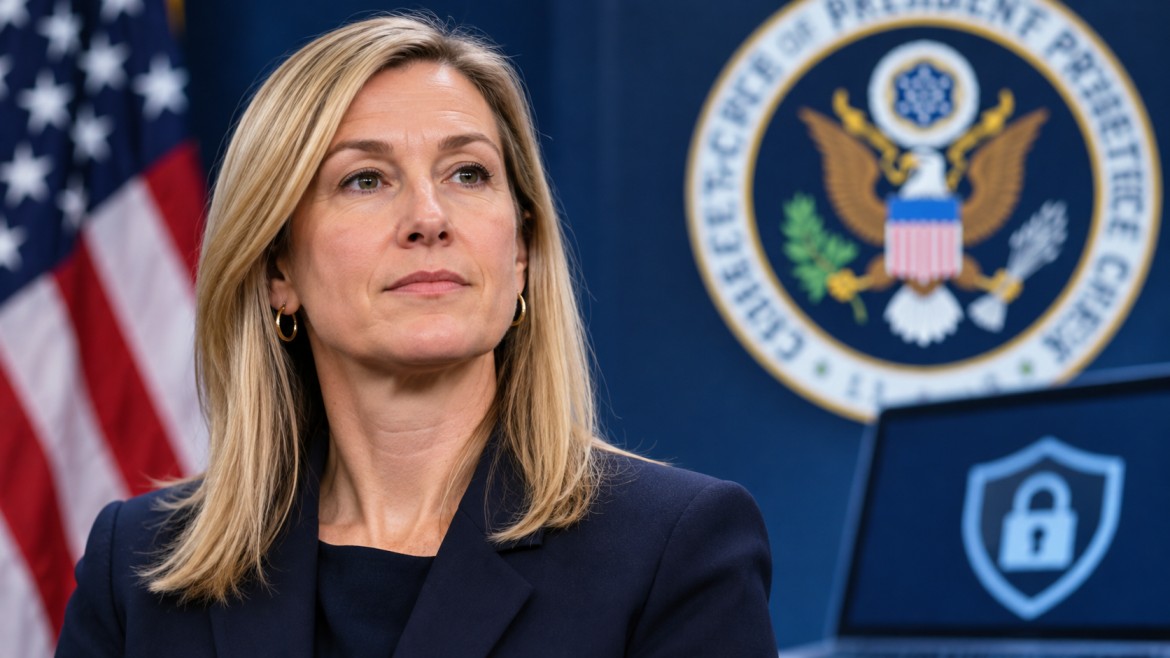
Kirsten Davies Named Acting US National Cyber Director

Kirsten Davies has been named the acting National Cyber Director of the United States, replacing Sean Cairncross. The White House announced the leadership change on November 19, 2026. Davies previously served as the Chief Information Officer at the US Department of Defense (Pentagon). Her appointment comes at a time when the United States is facing several technology-related service disruptions affecting important public and government services.
The National Cyber Director plays an important role in protecting the country’s digital systems. The office coordinates cybersecurity policies and strategies across different federal government departments. Davies will take on this responsibility in an acting capacity. Her appointment should not be confused with permanent confirmation, as the position requires Senate confirmation for a permanent director.

Who Is Kirsten Davies?
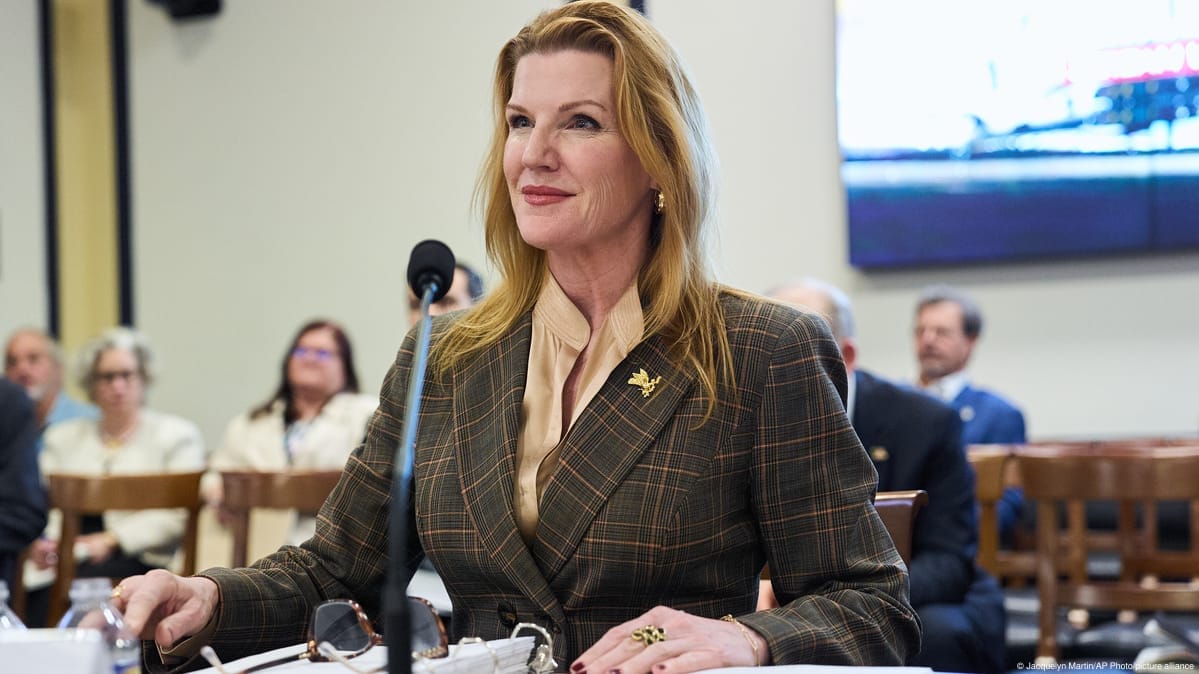
Kirsten A. Davies previously worked as the Chief Information Officer of the US Department of Defense. In that role, she was responsible for overseeing important information technology and cybersecurity activities.
Her professional background includes experience in cybersecurity, technology management and digital infrastructure. Before joining the US government, she held leadership positions in major companies, including Unilever, Estée Lauder Companies, Barclays Africa Group, Hewlett Packard Enterprise and Siemens.
Her experience in both the private and public sectors is expected to support her work in the new role. Kirsten Davies has also spoken about the need to modernise digital infrastructure, improve security and develop skilled professionals for future cybersecurity challenges.
Why Did the White House Change Its Cybersecurity Leadership?
The leadership change comes during a period of major technology disruptions in the United States. Over the past week, outages have affected several services, including air travel, banking, Microsoft services and communications systems at the National Security Agency (NSA).
These disruptions caused problems for people and organisations. Flight operations were interrupted, some banking services became difficult to access, and government communication systems also faced technical issues.
Sean Cairncross, who previously held the National Cyber Director position, left the role during this period. Reports about the reasons for his departure have differed. Some reports cited concerns among White House officials about his cybersecurity experience, while other accounts described the departure differently.
Are the Recent Technology Outages Connected?
The timing of the leadership change has drawn attention because of the recent technology problems. However, officials have cautioned against assuming that all the disruptions were connected.
On November 17, Secretary of State Marco Rubio said there was no information indicating that the technical failures were linked to one another or caused by a malicious actor. Other administration officials also said that the incidents appeared to be separate problems rather than evidence of one coordinated attack.
This distinction is important because technical failures can happen for different reasons, including software updates, maintenance problems, system errors and cyberattacks. Investigations and technical reviews are needed to understand the cause of each incident.
What Does the National Cyber Director Do?
The Office of the National Cyber Director works within the Executive Office of the President. Its main responsibility is to coordinate cybersecurity policy and strategy across the US federal government.
The office helps different government departments work together to protect important digital systems. These systems support areas such as banking, transport, healthcare, communication, energy and national security.
The role has become increasingly important as governments and businesses depend more on digital technology. Artificial intelligence, cloud computing and connected systems are creating new opportunities, but they also bring new security challenges.
Why Cybersecurity Leadership Matters Today
Cybersecurity has become a major concern for countries around the world. Government agencies, financial institutions, businesses and ordinary citizens all depend on secure digital services.
A cyber incident can affect personal information, financial transactions, public services and national infrastructure. As artificial intelligence develops, security experts are also paying greater attention to how new technologies could be used to identify weaknesses or carry out cyberattacks.
Davies will take over the coordination of US cybersecurity policy during this important period. Her immediate responsibilities include supporting stronger digital systems, improving cooperation across government agencies and helping build long-term cybersecurity capabilities.
The appointment also brings attention to the importance of having experienced leadership as countries work to protect their digital infrastructure and respond to rapidly changing technology threats.