


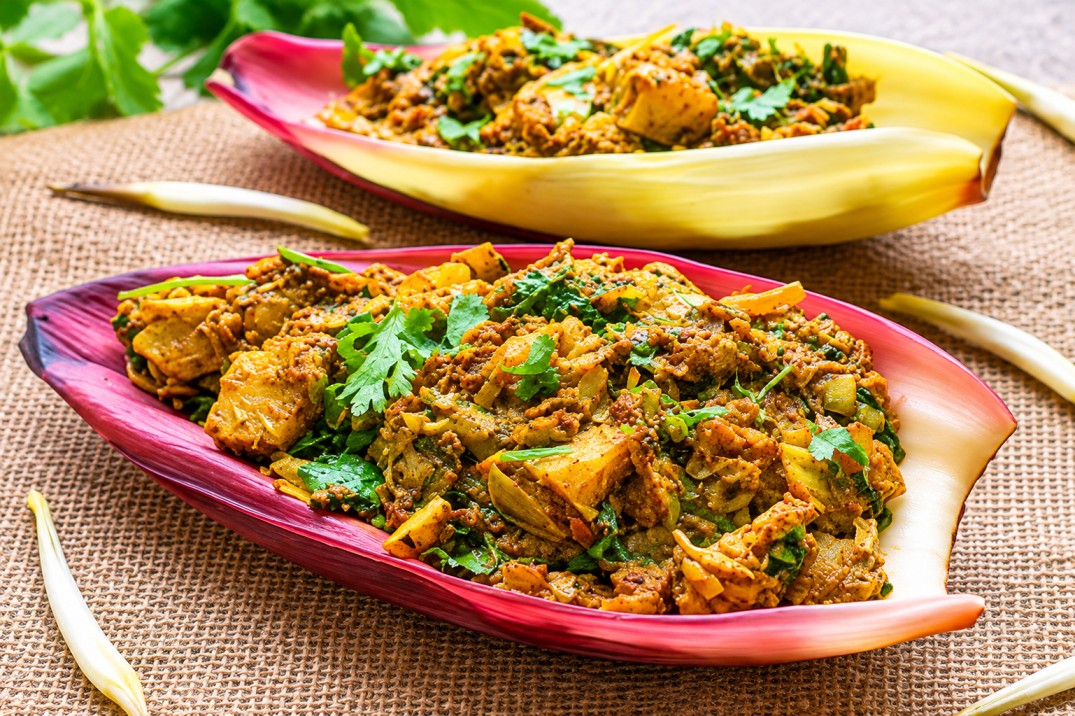
Koldil Bhaji: Traditional Assamese Banana Flower Fry

Koldil Bhaji is a traditional Assamese vegetable dish prepared using fresh banana flowers, onions, green chillies, turmeric and mustard oil. It is a simple homemade recipe that is loved by many Assamese people for its unique taste, natural flavour and traditional cooking style. The word Koldil means banana flower, while Bhaji means fry. This dish is prepared by finely chopping banana flowers and cooking them slowly with a few basic ingredients.
Assamese cuisine is famous for using locally available vegetables, herbs and seasonal ingredients. Banana flower is one of the traditional ingredients used in Assamese households. It is not only used to prepare Koldil Bhaji but also added to different vegetable and fish recipes. Its slightly bitter taste and soft texture make it a special ingredient in traditional Assamese cooking.

Koldil Bhaji does not require complicated spices or a long list of ingredients. The combination of mustard oil, onion, green chilli and turmeric gives the dish a delicious flavour. The most important part of this recipe is cleaning and preparing the banana flower properly. Once prepared, it is cooked slowly over low heat without adding water.
This traditional Assamese recipe tastes delicious with steamed rice, roti or luchi. If you enjoy simple homemade Assamese food, Koldil Bhaji is a wonderful dish to try in your kitchen.
What Is Koldil Bhaji?
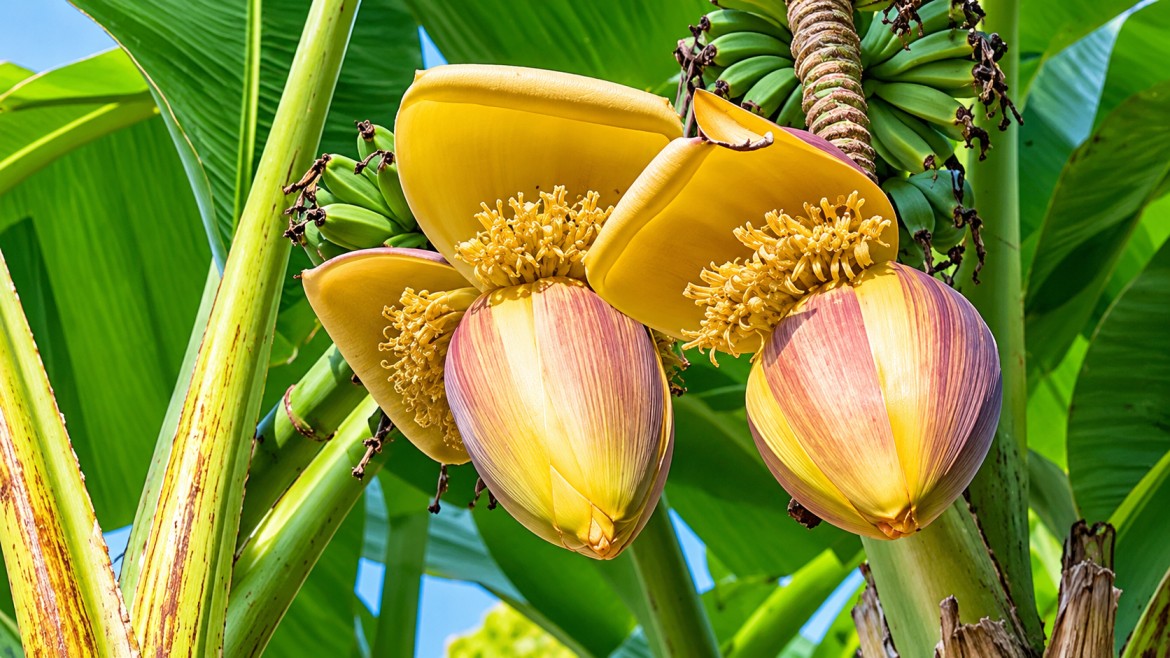
Koldil Bhaji is a traditional Assamese dish made from banana flowers, which are locally known as Koldil. The banana flower is the large purple-red flower that grows at the end of a banana plant. It contains several layers of reddish-purple bracts, and each layer has small cream-coloured flowers inside.
In Assamese cooking, the tender inner portion and the individual flowers are used to prepare different dishes. For Koldil Bhaji, the banana flower is cleaned, finely chopped and cooked with onion, green chilli, turmeric, salt and mustard oil.
The dish has a distinctive taste because banana flowers naturally contain a slightly bitter flavour. Proper cleaning and preparation help improve the taste and texture. Unlike many vegetable curries, this recipe does not require water. The banana flower is cooked slowly in a covered pan until it becomes soft and well combined with the other ingredients.
Koldil Bhaji is commonly prepared as a side dish for lunch or dinner in Assamese households. It is a good example of traditional cooking that makes use of locally available ingredients.
Ingredients for Koldil Bhaji
The following ingredients are required to prepare traditional Assamese Koldil Bhaji for approximately four people.
| Ingredients | Quantity |
|---|---|
| Fresh banana flower (Koldil) | 1 medium-sized |
| Onion | 3 medium-sized |
| Green chilli | 1 |
| Turmeric powder | 1 teaspoon |
| Salt | 1½ teaspoons or to taste |
| Mustard oil | 4 tablespoons |
Preparation time: 25–35 minutes
Cooking time: 25–30 minutes
Total time: Approximately 50–65 minutes
Cuisine: Assamese
Servings: 4 people
Dish type: Traditional vegetable fry
How to Prepare Koldil Bhaji
Preparing Koldil Bhaji is easy, but cleaning the banana flower requires patience. Each layer contains small flowers that must be separated and cleaned before cooking. Follow these steps to prepare delicious Assamese-style banana flower fry at home.
Step 1: Prepare the Banana Flower
Take one fresh, medium-sized banana flower. Remove the outer purple-red layers one by one. As you peel away each layer, you will find clusters of small, elongated flowers attached to the base.
Continue removing the layers until you reach the tender, pale inner portion of the banana flower. The inner portion is soft and suitable for cooking.
Do not throw away the edible flowers from the removed layers. Collect them separately because they are also used in this recipe.
Step 2: Remove the Hard Parts from the Flowers
Take the individual banana flowers and carefully open or separate them. You will notice a long, hard stamen inside each flower, along with a small transparent or firm outer covering called the tepal.
Remove the hard stamen and the tough covering from each flower. These parts can make the dish fibrous and less enjoyable to eat.
Repeat the process for all the flowers. Although this step takes some time, it is important for achieving a soft and delicious Koldil Bhaji.
Step 3: Chop the Banana Flower
Once the flowers are cleaned, take the tender inner portion and the prepared individual flowers. Chop everything very finely using a sharp knife.
Fine chopping helps the banana flower cook evenly and gives the finished dish a soft texture. Place the chopped banana flower in a large bowl.
You can chop the ingredients directly over a plate or use a cutting board. Since banana flowers may release sticky sap, lightly applying oil to your hands and knife can make the preparation easier.
Step 4: Wash the Chopped Banana Flower
Fill a large bowl with clean, cold water. Add the chopped banana flower and rinse it thoroughly.
Squeeze the chopped Koldil gently with your hands and drain the water. You may notice that the water becomes dark because of the natural compounds released by the banana flower.
Discard the dark water and repeat the washing process approximately three times, as described in the traditional recipe. Drain the excess water properly before cooking.
This washing process helps clean the chopped banana flower and improves its final texture and flavour.
Step 5: Prepare the Onion and Green Chilli
Take three medium-sized onions and peel them. Cut the onions lengthwise into thin slices, also known as julienne.
Take one green chilli and slice it lengthwise. If you prefer a spicier dish, you can increase the number of chillies according to your taste.
Keep the chopped banana flower, sliced onions, green chilli, turmeric powder and salt ready before starting the cooking process.
Step 6: Heat Mustard Oil
Place a kadai or deep frying pan on the stove over medium heat. Add four tablespoons of mustard oil and allow it to heat properly.
Mustard oil is an important ingredient in traditional Assamese cooking. It provides a distinctive aroma and flavour that makes the dish taste authentic.
Once the oil is hot, add the sliced onions and green chilli. Stir them gently so that they are coated with the oil.
Step 7: Add Koldil and Spices
Now add the finely chopped and drained banana flower to the kadai. Add one teaspoon of turmeric powder and approximately one and a half teaspoons of salt, adjusting the quantity according to your taste.
Mix everything thoroughly so that the turmeric, salt, onion and green chilli are evenly distributed throughout the banana flower.
At this stage, the mixture may look bulky, but the banana flower will gradually shrink as it cooks.
Step 8: Cook Slowly Without Adding Water
Cover the kadai with a lid and cook the mixture over low heat. Do not add water to this traditional recipe.
The banana flower will release some moisture while cooking. Stir occasionally to prevent the ingredients from sticking to the bottom of the pan.
Continue cooking until the banana flower becomes soft and properly cooked. If necessary, adjust the heat to ensure that the mixture does not burn.
Slow cooking allows the onion, mustard oil, turmeric and banana flower to combine naturally. It also helps develop the traditional flavour of Assamese Koldil Bhaji.
Step 9: Fry Until Ready to Serve
Once the banana flower is completely cooked and soft, remove the lid. Stir the mixture gently and allow any remaining moisture to evaporate.
Continue frying for a few more minutes until the Koldil Bhaji reaches your preferred texture. Some people like it soft, while others prefer a slightly dry and well-fried preparation.
Turn off the heat and transfer the cooked banana flower to a serving bowl.
Your delicious traditional Assamese Koldil Bhaji is now ready to serve with hot steamed rice, roti or luchi.
Tips for Making Perfect Koldil Bhaji
A few simple tips can help you prepare tasty Koldil Bhaji with the right texture and flavour.
- Choose a fresh banana flower: Select a fresh, firm banana flower with healthy purple outer layers.
- Remove the hard parts: Always remove the hard stamens and tough coverings from the individual flowers.
- Chop finely: Fine chopping helps the banana flower cook evenly and become soft.
- Wash properly: Rinse the chopped banana flower several times and drain the excess water.
- Use mustard oil: Mustard oil gives the dish its traditional Assamese flavour.
- Cook on low heat: Slow cooking helps soften the banana flower and allows the flavours to blend.
- Avoid adding water: The traditional recipe is prepared without additional water.
- Stir occasionally: Stirring prevents the banana flower from sticking to the bottom of the kadai.
How to Serve Koldil Bhaji
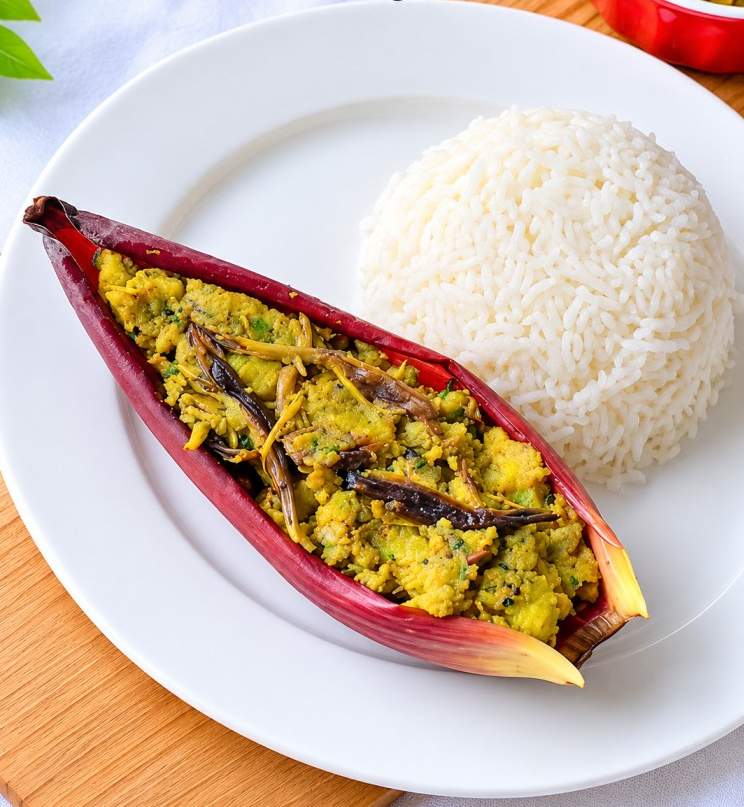
Koldil Bhaji is best enjoyed hot with freshly cooked steamed rice. In Assamese households, it is commonly served as a vegetable side dish during lunch or dinner.
You can also enjoy it with roti, chapati or luchi (poori). Its slightly bitter and savoury flavour goes well with simple dal, Aloo Pitika and other traditional Assamese dishes.
For a complete homemade Assamese meal, serve Koldil Bhaji with steamed rice, dal, mashed potato and a fish curry. The combination of different flavours makes the meal satisfying and delicious.
Since this dish does not contain a heavy gravy, it can also be served as a dry vegetable preparation alongside other curries.
Health Benefits of Banana Flower
Banana flower is a traditional edible vegetable used in different parts of India, including Assam. It contains dietary fibre and various plant nutrients that can contribute to a balanced diet.
Here are some nutritional benefits of including banana flowers in your meals.
1. Contains Dietary Fibre: Banana flowers provide dietary fibre, which supports normal digestion and helps maintain bowel regularity.
2. Provides Important Nutrients: Banana flowers contain nutrients such as potassium and other minerals that contribute to normal body functions.
3. Contains Plant Antioxidants: Banana flowers contain natural plant compounds with antioxidant properties that help protect cells from oxidative damage.
4. Supports a Balanced Diet: Including different vegetables such as banana flowers in everyday meals helps increase dietary variety.
5. A Traditional Vegetable Choice: Koldil is a locally available ingredient that can be prepared using simple cooking methods and everyday spices.
The nutritional value of Koldil Bhaji depends on the quantity of oil and other ingredients used. It is best enjoyed as part of a varied and balanced diet.
Importance of Koldil Bhaji in Assamese Cuisine
Assamese cuisine is closely connected with agriculture, seasonal vegetables and locally available food ingredients. Many traditional Assamese recipes are prepared using plants and vegetables that grow naturally in the region.
Koldil is one such ingredient. Banana plants are commonly found in Assamese villages and households, and different parts of the plant are used in traditional cooking. The banana fruit, stem and flower all have a place in Assamese food culture.
Koldil Bhaji is an example of how Assamese cooking makes use of the banana flower instead of limiting the plant’s use to its fruit. The recipe requires simple ingredients and a traditional slow-cooking method.
Unlike dishes that depend on many spices, this preparation allows the natural flavour of banana flowers to remain noticeable. Onion adds sweetness, green chilli provides mild heat, turmeric gives colour and mustard oil brings everything together.
Although every household may have its own cooking style, the basic preparation remains similar. Some families prefer a softer preparation, while others cook it until it becomes dry and slightly crispy.
This traditional recipe continues to be enjoyed by people who appreciate authentic Assamese homemade food.
Frequently Asked Questions (FAQs)
1. What is Koldil Bhaji?
Koldil Bhaji is a traditional Assamese vegetable dish prepared using banana flowers, onion, green chilli, turmeric, salt and mustard oil. It is cooked slowly without adding water.
2. What is Koldil called in English?
Koldil is called banana flower or banana blossom in English. It is the large purple-red flower that grows at the end of a banana plant.
3. How do you prepare banana flowers for Koldil Bhaji?
Remove the outer layers of the banana flower and collect the small flowers inside. Remove the hard stamens and tough coverings, then finely chop the flowers and tender inner portion. Wash the chopped ingredients several times before cooking.
4. Why should the hard stamens be removed from banana flowers?
The hard stamens can make the dish fibrous and unpleasant to eat. Removing them helps create a softer and more enjoyable texture.
5. Why does banana flower turn dark after chopping?
Banana flowers contain natural compounds that react with air after cutting, which can cause browning or darkening. This is normal. Washing the chopped flowers in clean water helps remove excess sap and maintain better quality.