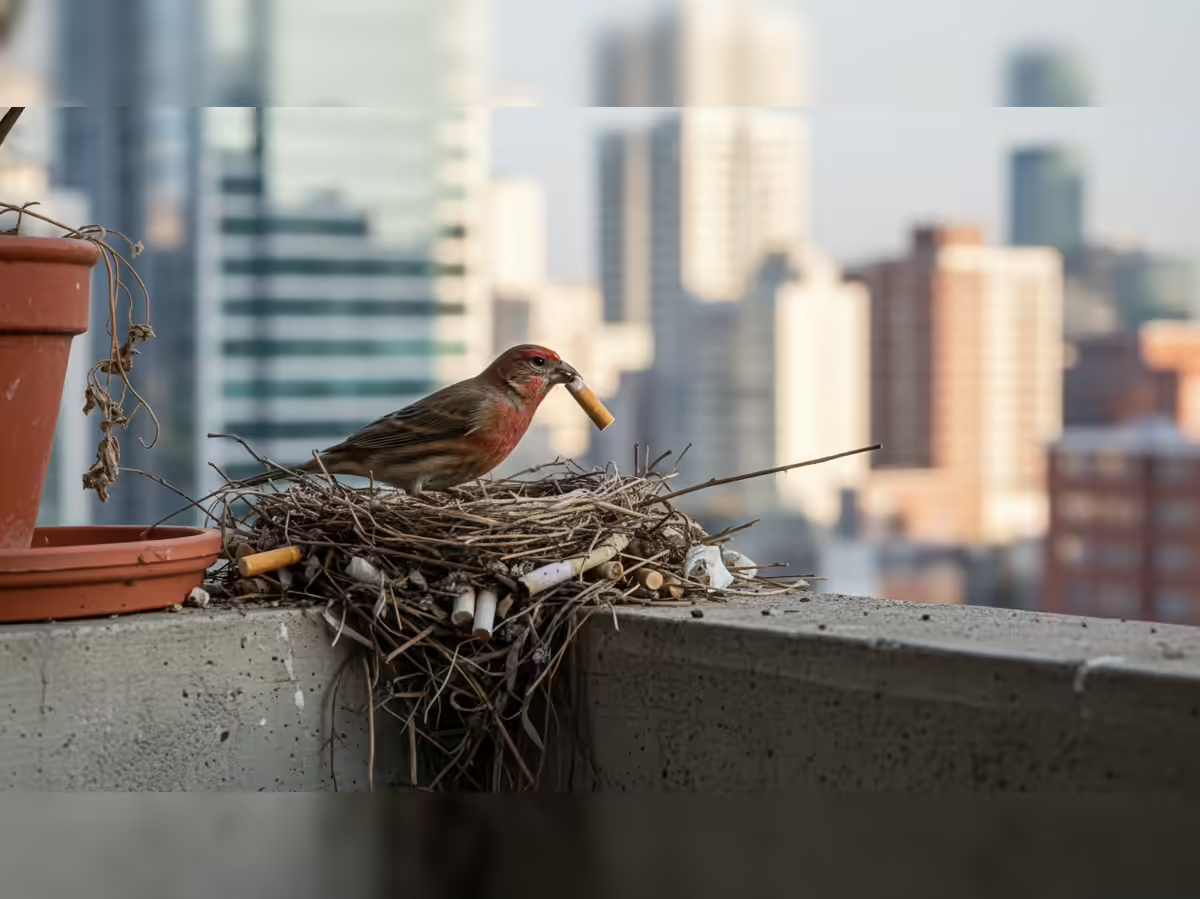
Birds Use Cigarette Butts for Nest Protection

Recent studies show that Birds Use Cigarette Butts in a surprising way. Instead of ignoring this waste, some urban birds collect cigarette filters to build their nests. What once seemed harmful is now seen as a clever survival trick.
Thank you for reading this post, don't forget to subscribe!Unusual Nesting Behaviour
Scientists have observed birds like house sparrows and finches using cigarette fibres in their nests. This has been recorded in busy cities, including parts of Mexico and Europe. The repeated presence of these materials proves that birds are choosing them on purpose, not by accident.
Why Birds Choose Cigarette Butts
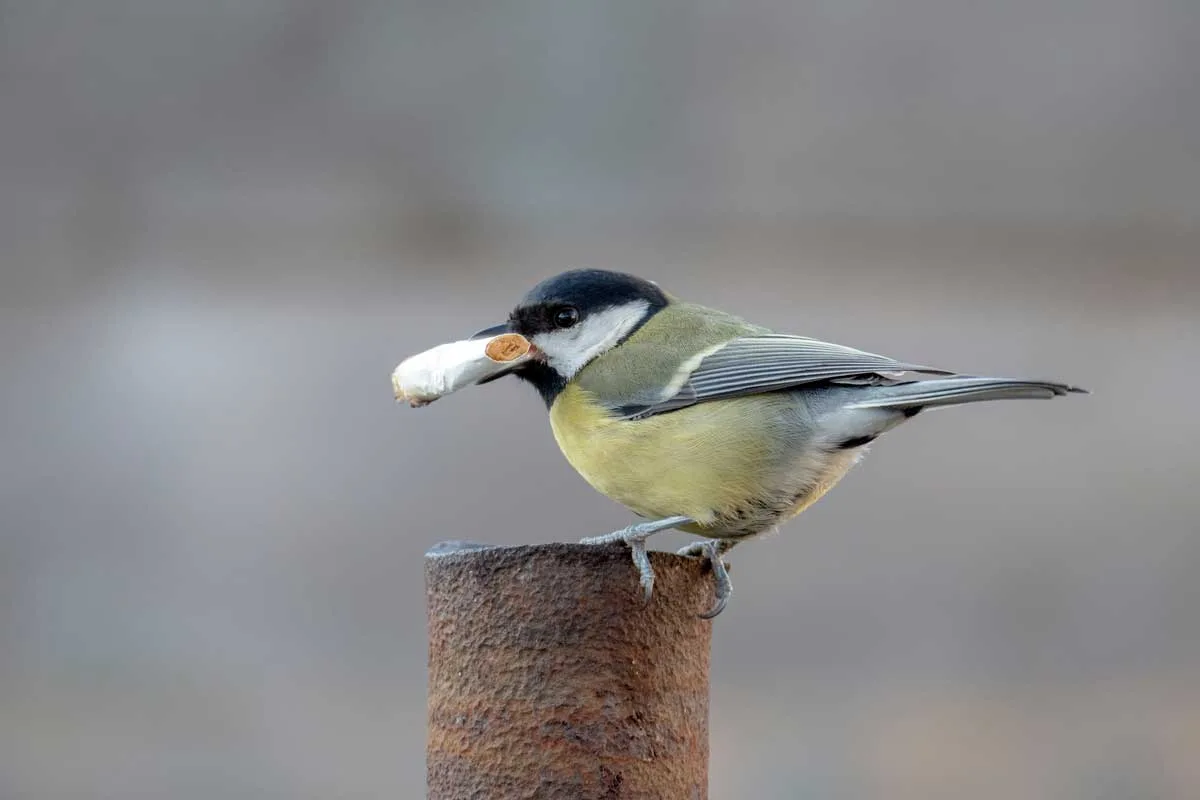
The main reason behind this behaviour is nicotine. Cigarette filters still contain nicotine and other chemicals even after use. Nicotine works as a natural insect killer. When birds add these fibres to their nests, it helps keep away tiny parasites like mites.
Research shows that nests with cigarette fibres have fewer parasites than normal nests. This helps protect both adult birds and their chicks from infections and irritation.
Birds Use Cigarette Butts in Urban Adaptation
This behaviour is a clear example of how birds adapt to city life. In natural environments, birds often use plants with strong smells to keep insects away. But in cities, such plants are not always easy to find.
So, birds replace natural materials with available human waste like cigarette butts. This shows how wildlife can quickly adjust to changes in their surroundings.
Risks and Environmental Concerns
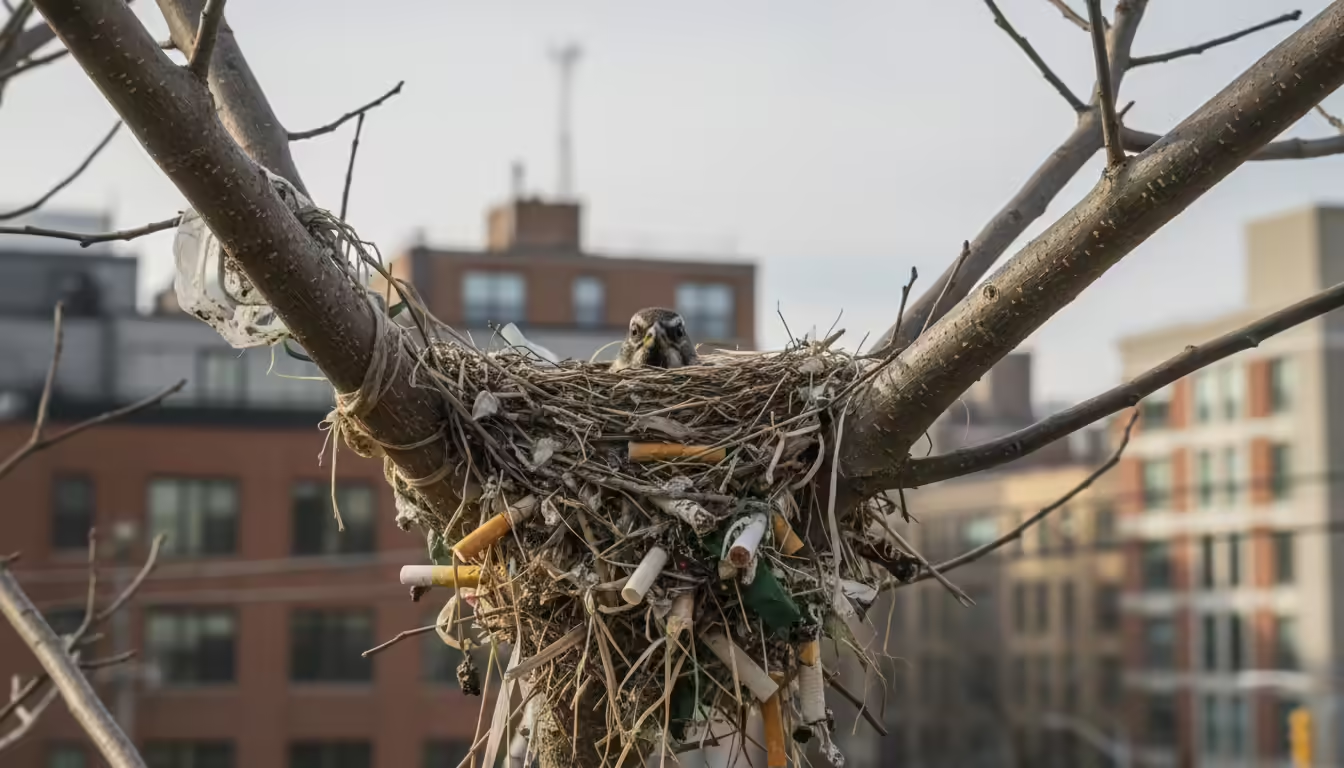
Even though Birds Use Cigarette Butts for protection, there are risks. Cigarette filters contain harmful chemicals and heavy metals. These toxic substances can affect birds, especially young chicks growing in the nest.
Scientists believe there is a trade-off. Birds get protection from parasites, but they may also face health problems due to chemical exposure. Researchers are still studying the long-term effects of this behaviour.