



New Diplura Species Found: Rare Soil Arthropod Discovered in Eastern Himalayas

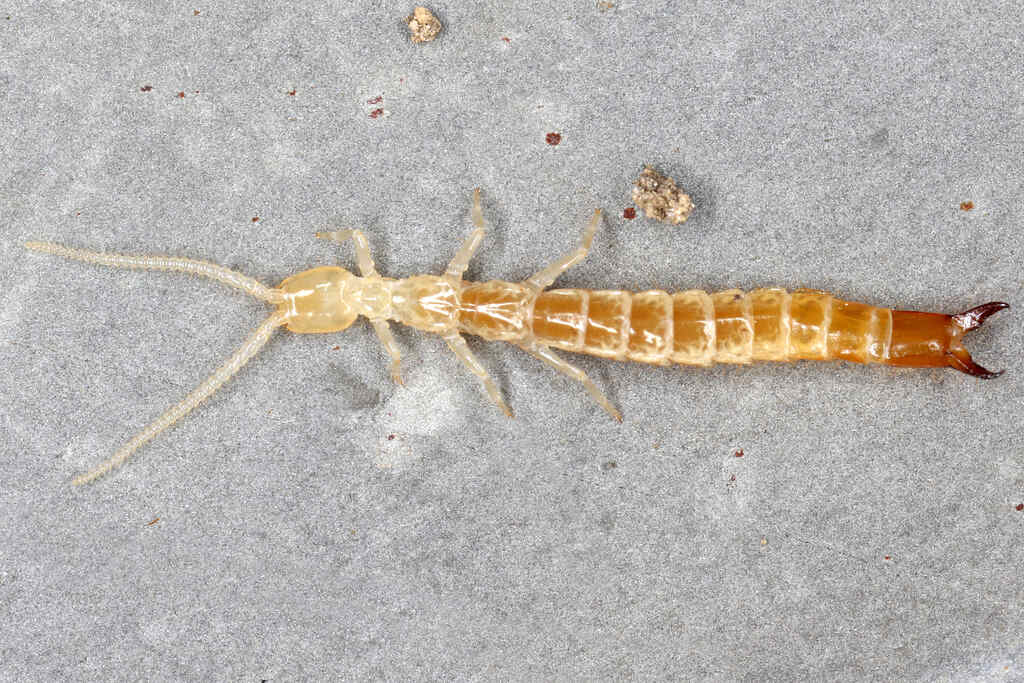
The discovery of a New Diplura Species Found in the eastern Himalayas has brought fresh attention to India’s hidden soil biodiversity. Scientists from the Zoological Survey of India (ZSI) have identified a previously unknown species of Diplura, a group of tiny, wingless creatures that live deep within the soil. This finding is being seen as a major moment for Indian entomology because it comes after decades of limited research on this ancient group of organisms.
Thank you for reading this post, don't forget to subscribe!The new species has been named Lepidocampa sikkimensis, reflecting its Himalayan origin. What makes this discovery special is that it is the first Diplura species from India to be formally described by an Indian research team. The study was published on 7 January in the international taxonomic journal Zootaxa, giving global recognition to the work carried out by Indian scientists.
A Little-Known Creature Beneath Our Feet
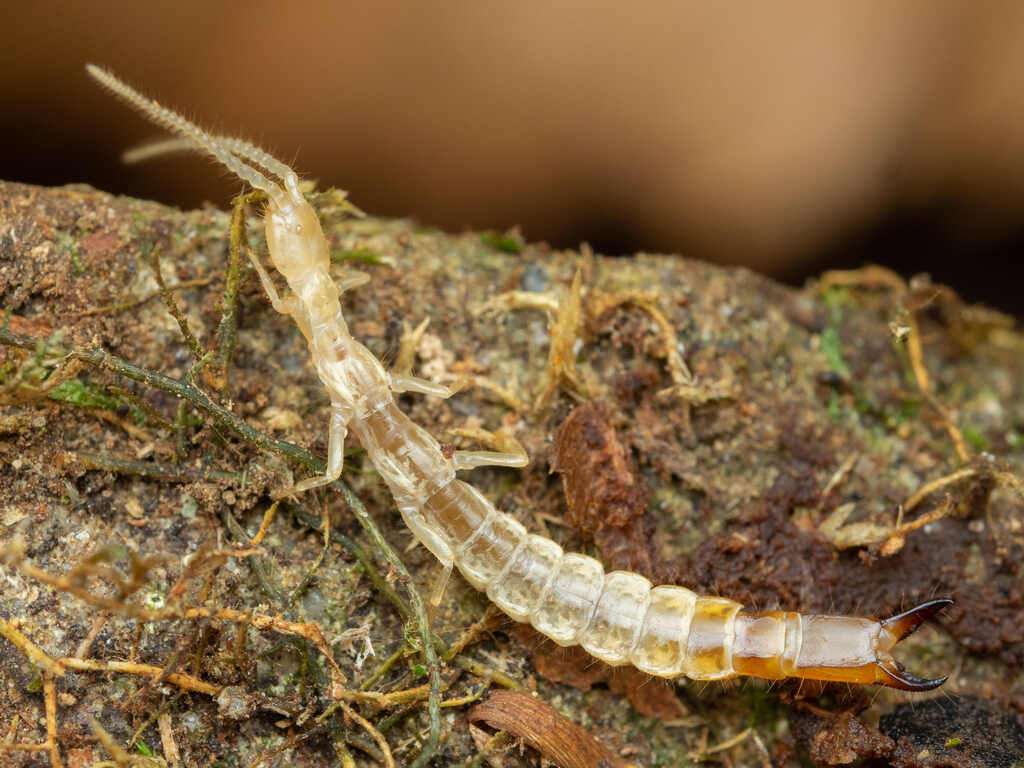
Diplurans are small, blind, soil-dwelling arthropods that many people have never heard of. They belong to the class Hexapoda, meaning they have six legs, just like insects. However, Diplura are considered more primitive and ancient than most insects alive today. Because they live underground and avoid light, they are rarely seen and even more rarely studied.
The species recently identified is part of this old evolutionary line. Scientists believe it represents a lineage that has survived for millions of years, quietly playing its role in the soil ecosystem. The fact that a New Diplura Species Found has come to light shows how much remains unexplored beneath the forest floors of India.
Discovery in the Eastern Himalayas
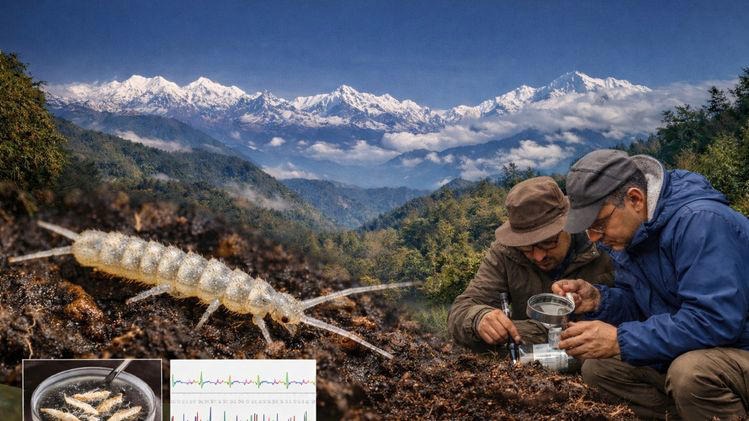
The discovery was made during field surveys in the eastern Himalayan region, an area already known worldwide for its rich biodiversity. The research team collected soil samples near Ravangla in Sikkim. Careful examination in the laboratory revealed unusual features that did not match any known Diplura species recorded from India or elsewhere.
Further investigations confirmed the presence of the same species in Kurseong, suggesting that the organism may be spread across a wider part of the eastern Himalayan belt. This region, part of the Eastern Himalayas, provides the moist soil and organic matter that Diplurans need to survive.
Who Led the Research
The study was led by Dr Surajit Kar, along with a team of young researchers from ZSI. Their work involved detailed field collection, microscopic examination, and careful comparison with known species from other parts of the world. Such patient and detailed research is essential in taxonomy, where even small differences in body structure can point to a new species.
Until now, India had records of 17 Diplura species, all described by scientists from outside the country. The fact that a New Diplura Species Found has now been documented by Indian researchers highlights the growing strength of local scientific expertise.
How the Species Was Identified
The newly discovered Diplura species was identified based on several unique physical features. These included a distinct pattern of body scales, a special arrangement of bristles, and differences in certain appendages. These small but important details helped scientists confirm that the organism was indeed a species never described before.
In addition to traditional methods, the team also used modern genetic tools. For the first time, DNA barcode data was generated for an Indian species of Lepidocampa. This combination of classical observation and modern molecular science has strengthened the reliability of the findings.
Rediscovery of a Long-Lost Relative
Along with the description of the new species, the researchers also reported the rediscovery of Lepidocampa juradii bengalensis, a rare subspecies that had not been recorded for nearly 50 years. Its reappearance suggests that some soil-dwelling organisms may survive unnoticed for decades, even as landscapes change around them.
This rediscovery adds further value to the study and underlines how incomplete our knowledge of soil life still is.
Why Soil Biodiversity Matters
According to Dhriti Banerjee, Director of ZSI, documenting soil organisms like Diplurans is essential for understanding how ecosystems function. These tiny creatures help break down organic matter, recycle nutrients, and maintain soil structure. Without them, forests and grasslands would struggle to stay healthy.
The finding of a New Diplura Species Found reminds us that conservation is not only about large animals and visible plants. Protecting soil habitats is just as important, especially in sensitive regions like the Himalayas.
A Boost for Indian Taxonomy
This discovery marks an important step forward for Indian taxonomy and biodiversity research. It shows that with focused fieldwork and modern tools, scientists can uncover species that have remained hidden for centuries. The eastern Himalayas, already known for their richness in life forms, continue to surprise researchers with new discoveries.
As more attention is given to soil biodiversity, many more unknown species may come to light. The discovery of Lepidocampa sikkimensis stands as a reminder that even the smallest creatures can tell big stories about evolution, ecology, and the natural heritage of India.