



Nilgiri Wood Pigeon Climate Threat: Study Warns of Shrinking Habitat in Western Ghats

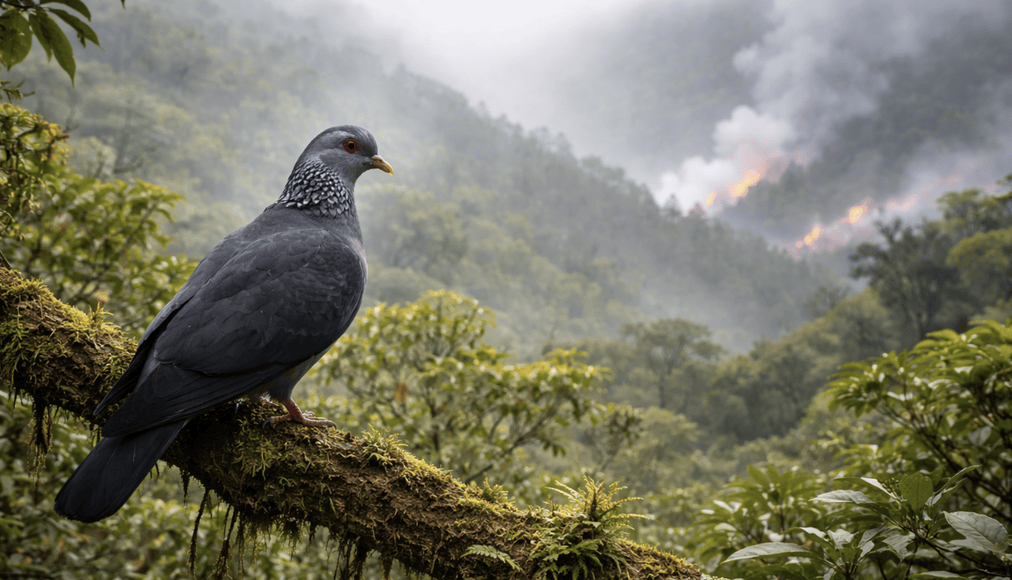
Climate change is creating a serious Nilgiri Wood Pigeon Climate Threat for the Nilgiri Wood Pigeon, a bird species found only in the forests of the Western Ghats. A recent scientific study warns that rising temperatures could significantly reduce the bird’s suitable habitat by the end of this century. Although the species is currently considered stable, researchers say long-term climate changes may increase ecological risks for this unique mountain bird.
Study Predicts Future Habitat Changes
The research, published in the Proceedings of the Indian National Science Academy, analysed how climate change may influence the distribution of the Nilgiri Wood Pigeon. Scientists used data from the eBird database, which contains thousands of bird observation records from across the world.
Out of 9,757 records analysed, researchers confirmed 117 reliable presence points of the species. Using the MaxEnt machine-learning model and nine climate variables, they predicted how suitable habitats may change under future warming scenarios.
Short-Term Gain but Long-Term Decline
The findings show that habitat suitability may increase slightly between 2021 and 2040. This temporary improvement could happen as lower mountain areas become climatically favourable for the bird.
However, the situation may change dramatically later in the century. Between 2081 and 2100, the model predicts a sharp decline in highly suitable habitats. This could result in habitat fragmentation and a reduction in the bird’s overall geographical range.
Life in High-Altitude “Sky Islands”
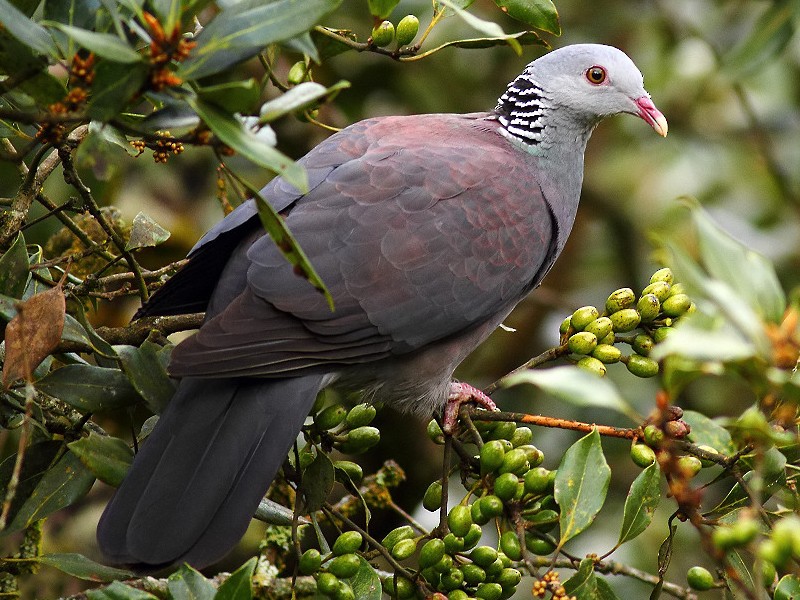
The Nilgiri Wood Pigeon mainly lives in high-elevation wet evergreen forests and nearby moist deciduous forests of the Nilgiri and Anamalai hills in Tamil Nadu and Kerala. Smaller populations are also reported from areas like the Biligirirangan Hills and Nandi Hills.
These high-altitude ecosystems are often described as “sky islands” because they are isolated from other habitats and support many unique species. The pigeon depends on dense forest canopy and undisturbed environments, making it highly sensitive to environmental changes.
Warming Climate and Up-Slope Shifting
Scientists also highlight the risk of “up-slope shifting,” a process where mountain species move to higher elevations as temperatures rise. While moderate warming may temporarily expand habitats, continued warming can compress available space near mountain summits.
The species is currently listed as “Least Concern” by the International Union for Conservation of Nature. However, researchers note that limited field studies on population size and breeding patterns mean its future status could change if climate pressures increase.
Nilgiri Wood Pigeon Climate Threat: Protecting Western Ghats Biodiversity
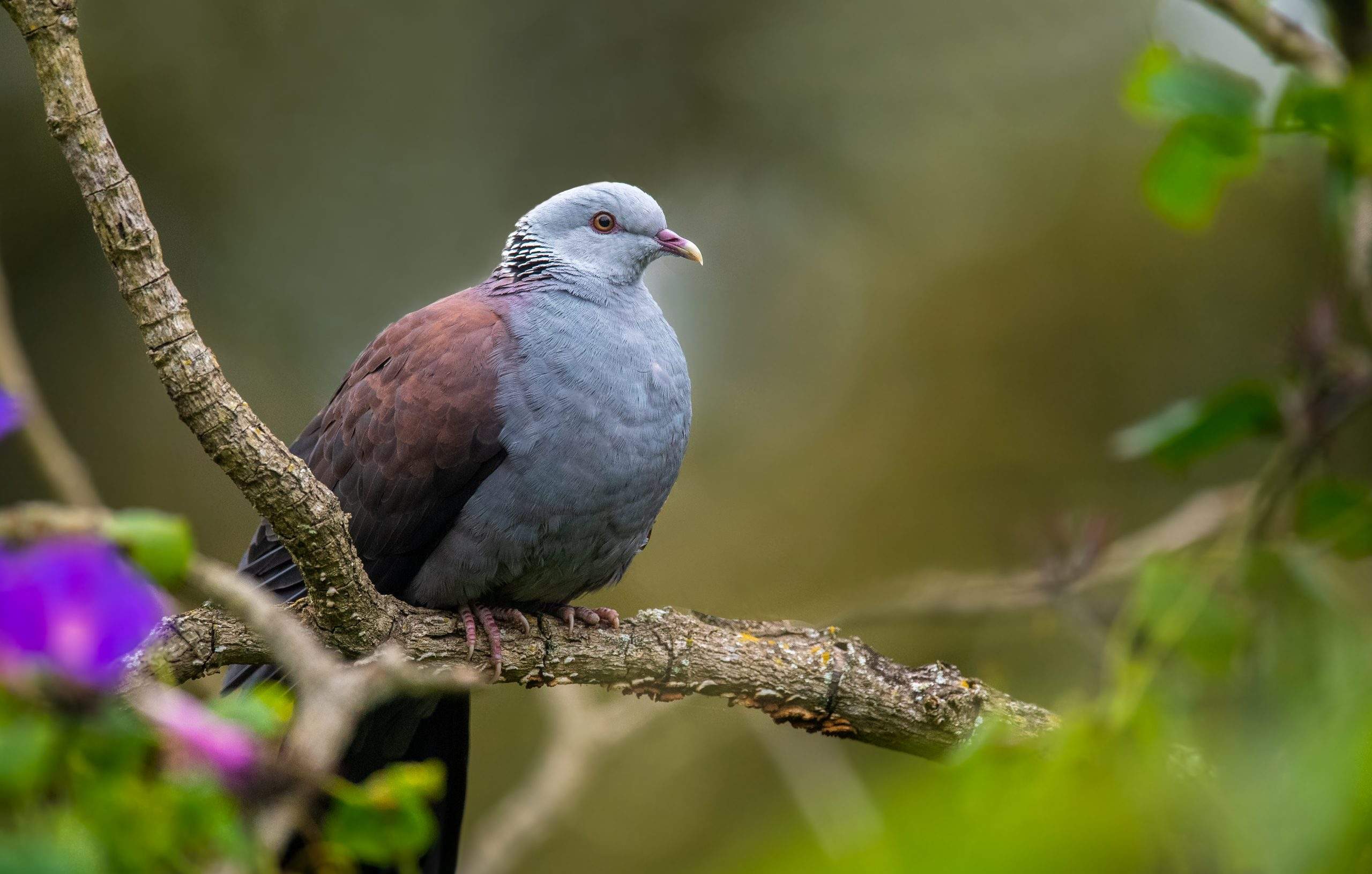
Experts emphasise the need for climate-resilient conservation strategies in the Western Ghats. Long-term monitoring, detailed field surveys, and updated conservation assessments will be important to protect this unique mountain bird.
Safeguarding high-altitude forests and understanding climate impacts will play a key role in ensuring the survival of the Nilgiri Wood Pigeon in the decades ahead.