


Pacific Typhoon Monsoon Impact on India

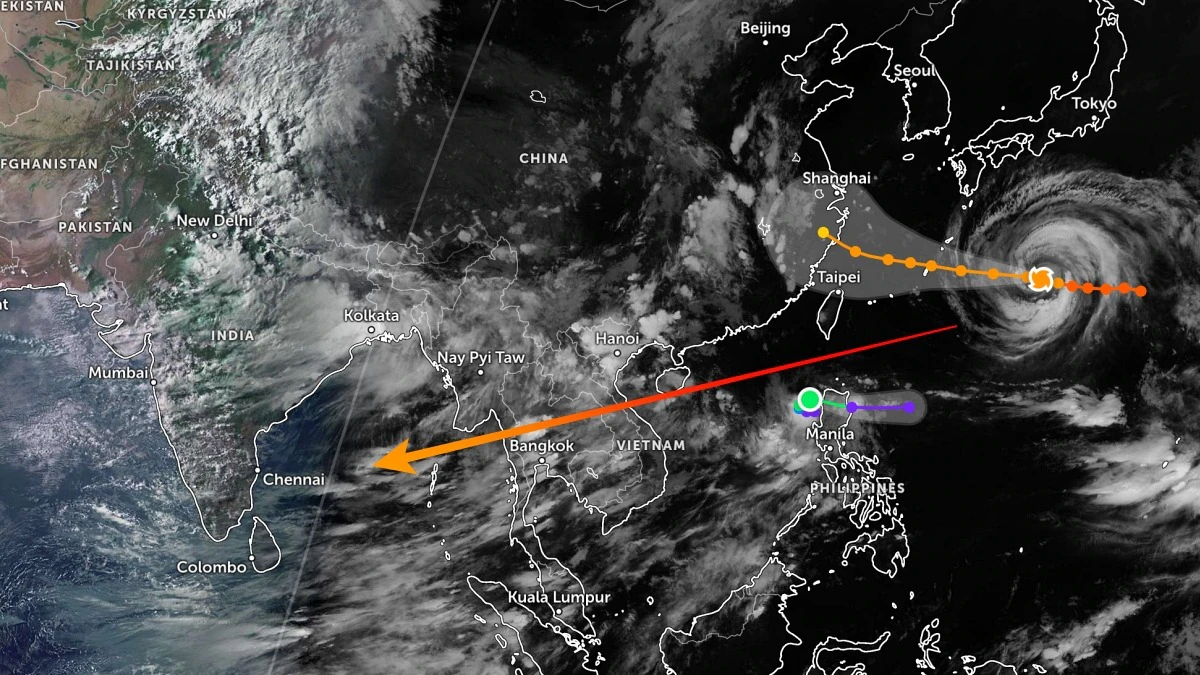
Pacific Typhoon Monsoon Impact is becoming an important topic as changing weather patterns across oceans begin to affect rainfall in India. In August 2026, weather experts closely watched a powerful storm system in the Pacific Ocean near Japan. While this typhoon was far from India, its presence still had the potential to influence how the monsoon behaves. This shows how connected global weather systems are, where events in one region can shape rainfall in another.
Thank you for reading this post, don't forget to subscribe!Changing Weather Patterns Across Oceans Pacific Typhoon Monsoon Impact
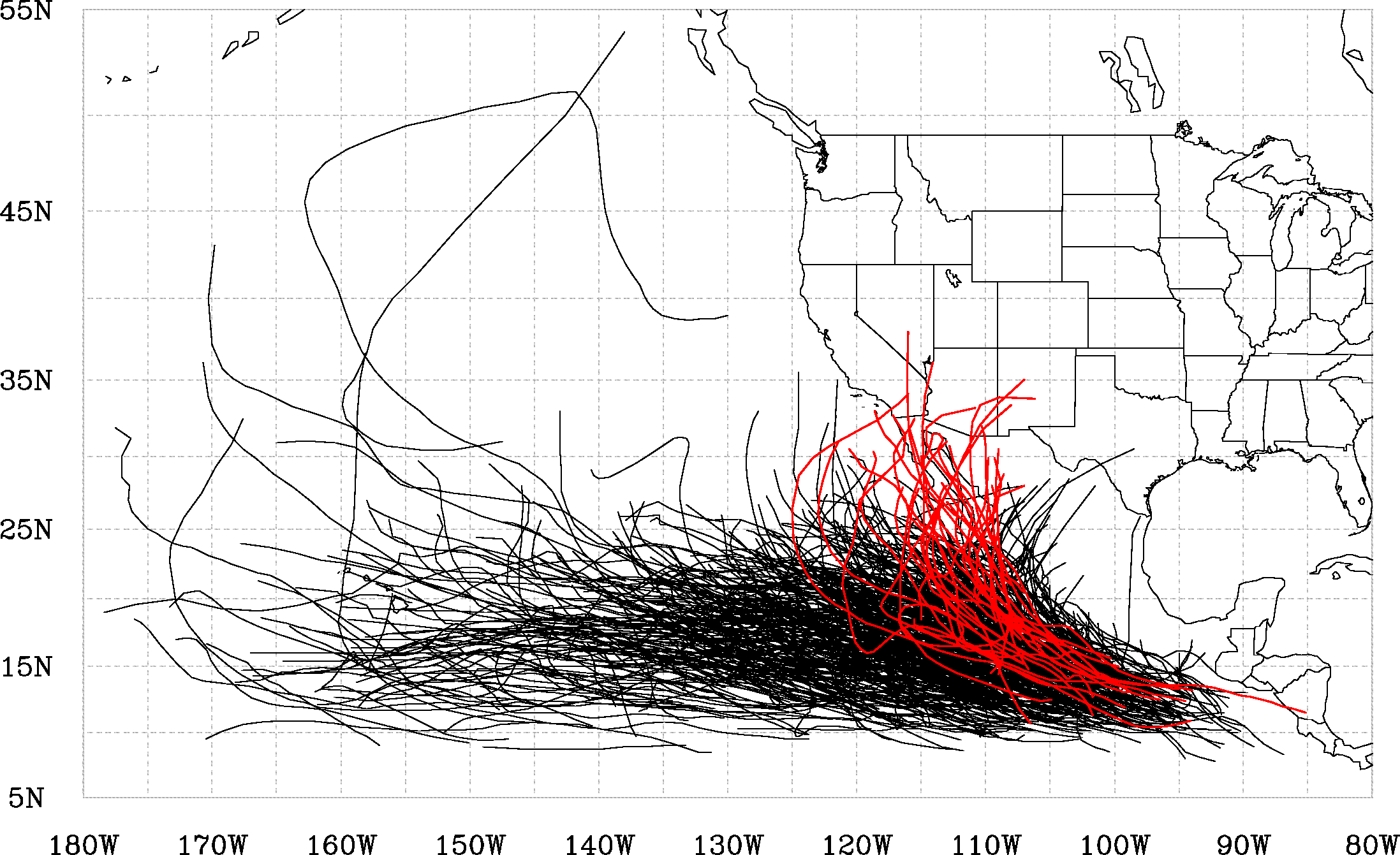
The Indian monsoon does not depend only on local conditions. It is influenced by large systems across the Indian Ocean and the Pacific Ocean. When strong typhoons form in the western Pacific, they can shift wind patterns and pressure systems. These changes can weaken or delay rainfall over parts of India. This is why meteorologists track storms even when they are far away, because their indirect effects can be significant.
How Pacific Typhoons Affect Rainfall in India
Typhoons in the Pacific can change the position of the monsoon trough, which is a key zone where rain clouds form. When this trough shifts, rainfall patterns across India also change. In some cases, it can reduce the formation of rain-bearing systems over the Bay of Bengal. This leads to less rainfall in central and western parts of India. It can also affect the flow of moisture that normally travels across the subcontinent.
Recent Weather Observations in 2026
During July 2026, a strong weather system in the Pacific was linked with weaker monsoon activity in India. Many regions, including central and peninsular India, received less rainfall than expected. This pattern raised concerns among farmers and planners, as agriculture depends heavily on steady monsoon rains. It also highlighted the need to understand global weather connections more clearly.
Role of El Nino in Monsoon Changes
Another important factor influencing the monsoon is El Nino. This is a climate pattern where sea surface temperatures in the Pacific Ocean become warmer than usual. In 2026, signs of a developing El Niño were observed. This warming affects wind circulation and reduces rainfall over India in many cases. It can delay the arrival of the monsoon and weaken its intensity.
Delayed Monsoon Onset in 2026
In 2026, the southwest monsoon reached Kerala slightly later than usual. Although the delay was only a few days, it showed how sensitive the system is to changes in ocean temperatures. Even small shifts in timing can affect crop cycles and water availability. Weather agencies predicted that overall rainfall would be slightly below normal, adding to concerns about uneven distribution.
Moisture Flow and Atmospheric Changes
Moisture flow plays a key role in rainfall. Winds carry moisture from oceans to land, where it forms clouds and rain. When typhoons develop in the Pacific, they can pull this moisture away from the Indian region. This reduces the amount of water available for rainfall. At the same time, changes in atmospheric pressure can further disrupt normal patterns.
Cyclone Activity in the Indo-Pacific Region
The Indo-Pacific region is one of the most active areas for tropical cyclones. It includes the Northwest Pacific, South China Sea, and the North Indian Ocean. In 2026, forecasts suggested a higher number of strong and long-lasting storms. This increased activity can lead to more complex interactions between different weather systems, making predictions more challenging.
Rising Energy of Storm Systems
Experts use a measure called Accumulated Cyclone Energy to understand how powerful a cyclone season is. In 2026, this value was expected to be higher than average. This means storms could last longer and carry more energy. Stronger storms can have wider effects, influencing not only nearby regions but also distant weather systems like the Indian monsoon.
Impact on Agriculture and Daily Life
Monsoon rainfall is very important for agriculture in India. Crops such as rice, pulses, and sugarcane depend on timely and adequate rainfall. When the monsoon becomes weak or uneven, farmers face difficulties. It can lead to lower crop yields and affect food supply. Water shortages in some regions and floods in others can also create challenges for daily life.
Climate Change and Growing Uncertainty
Climate change is adding another layer of complexity to weather patterns. Rising global temperatures are affecting ocean conditions, making events like El Nino more intense or unpredictable. This increases uncertainty in monsoon behavior. Scientists are studying these changes to improve forecasts and help communities prepare better.
Technology and Weather Monitoring
Modern technology plays a key role in tracking weather systems. Satellites, ocean sensors, and computer models help scientists understand how storms develop and move. In 2026, advanced monitoring allowed experts to track the Pacific typhoon and study its possible effects on India. This information helps governments and farmers make better decisions.
Regional Differences in Rainfall Patterns
Not all parts of India experience the same effects. While some regions may see reduced rainfall, others might receive heavy rain due to local factors. Coastal areas, especially along the Bay of Bengal, are more sensitive to changes in cyclone activity. Understanding these regional differences is important for planning and response.
Learning from Recent Cyclone Seasons
Recent years have seen strong cyclone activity in the North Indian Ocean. In 2025, several powerful storms caused damage and loss of life. These events highlight the need for better preparedness and awareness. As weather patterns continue to change, similar events may become more frequent.
Future Outlook for the Monsoon
Looking ahead, the interaction between Pacific typhoons, El Nino, and regional weather systems will continue to shape the Indian monsoon. Scientists are working to improve prediction models and provide more accurate forecasts. This will help reduce risks and support better planning in agriculture, water management, and disaster response.